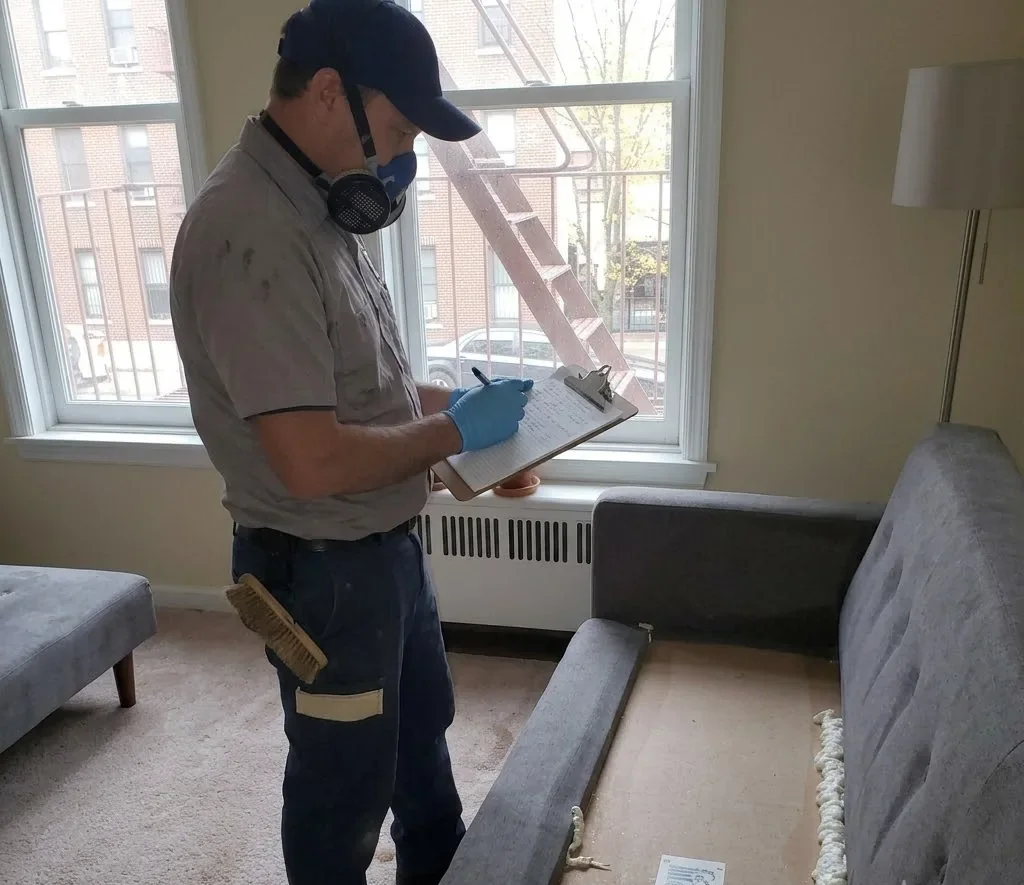
Rodent Control
Keeping Rodents Out of a Mount Pleasant Crawl Space
Exclusion — sealing entry points — is the only permanent rodent control strategy. Here is a room-by-room walkthrough of where they get in and how to seal it.
Read article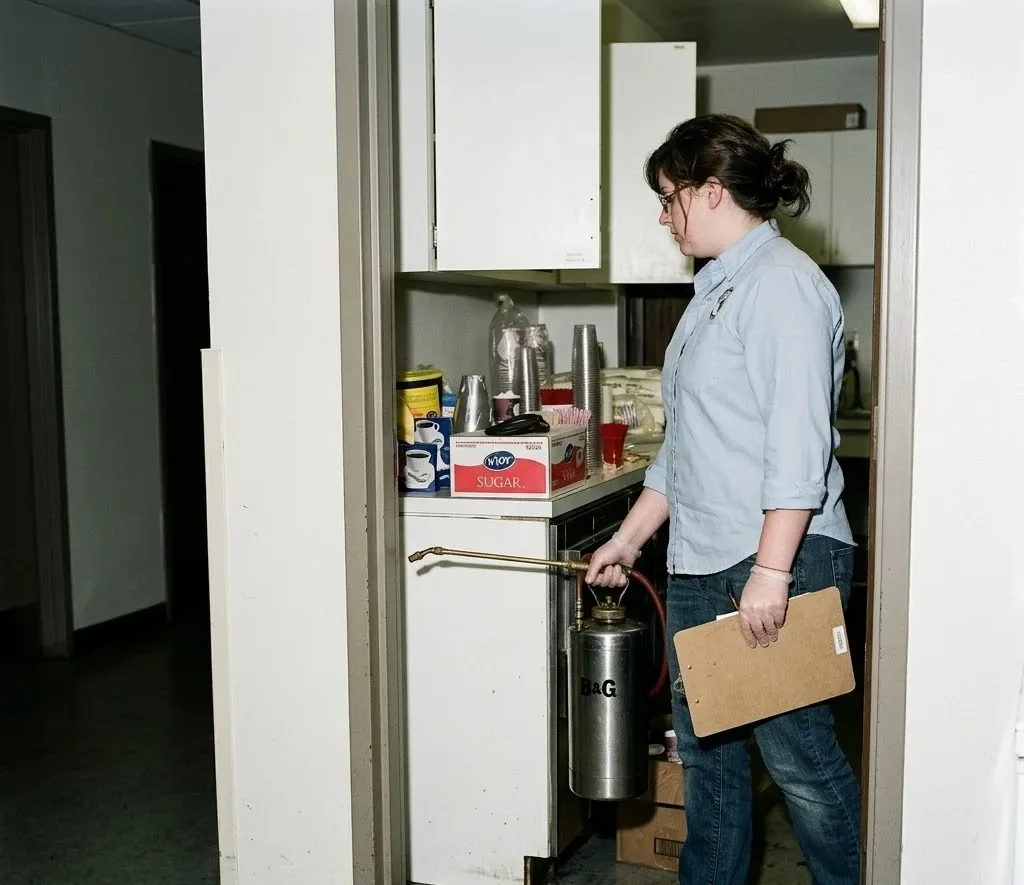
Moisture barriers, termite pretreatment, and pest control for Lowcountry crawl space homes.
Older homes throughout Mount Pleasant, Charleston, and the surrounding Lowcountry are built on crawl space foundations — pier and beam construction that was standard before slab-on-grade became common. The crawl space sits above soil in a coastal climate with high ambient humidity, creating ideal conditions for termites, moisture pests, mold, and wood decay.
Crawl space pest treatments address the specific pressures of this foundation type: subterranean termite pretreatment or active treatment, moisture barrier installation, and control of the moisture-loving pests — silverfish, centipedes, camel crickets, and earwigs — that congregate in poorly ventilated crawl spaces.
Across Charleston County, whether you're in Hanahan, Folly Beach, Park West, or elsewhere around Mount Pleasant, homeowners call us for crawl space treatments because we treat the conditions specific to this area rather than applying a generic plan. It's the same reason our subterranean termites results hold up.
Whether it is a house or a business, the work is similar — residential is scheduled around you, and commercial is scheduled around trading and documented for inspections.
Soil moisture and ambient humidity in an unencapsulated Lowcountry crawl space can exceed safe thresholds year-round, accelerating wood decay and creating ideal termite and moisture-pest conditions.
Subterranean termite mud tubes on piers and sill plates are the most important sign to catch in an annual inspection. They indicate active termites with direct access to structural wood.
Mold on the underside of the subfloor and early-stage wood decay are common in unvented or poorly maintained crawl spaces in the Lowcountry climate.
Moisture meter readings, visual inspection for termite tubes, wood decay, and pest harborage.
6 or 10 mil polyethylene barrier over the soil, sealed at the piers and foundation walls to reduce evaporative moisture.
Soil treatment with a labeled termiticide applied to soil under and around the structure. For existing infestations, the appropriate treatment method is recommended.
Residual product application to crawl space structure to address silverfish, centipedes, and camel crickets.
A crawl space in the Lowcountry without a moisture barrier is a different environment from one with a properly sealed barrier. The moisture barrier does more to reduce pest pressure than any product application in a persistently damp crawl space.
These are the working bands for crawl space treatments locally. A Lowcountry crawl space or a summer attic pushes toward the top of them, because both slow the work down.
| Size of job | Included | Guide figure |
|---|---|---|
| One area | A spot treatment on one room or one entry point | an estimated $235–$895 |
| Whole property | Full interior plus a treated band around the foundation | an estimated $280–$1275 |
| Bigger property | A bigger property, multiple levels, or an established population | an estimated $420–$2040 |
| Established | Extensive activity, handled over weeks rather than in one visit | an estimated $670–$3400 |
Call early and this stays at the low end; leave it and it climbs. The pricing guide shows by how much, and covers the insurance position on damage.
In the Lowcountry climate, yes. High ambient humidity and coastal soil moisture make an unencapsulated crawl space a pest and decay risk. A basic vapor barrier is an inexpensive and highly effective first step.
SC building code requires soil pretreatment before concrete is poured and before any wood contacts the soil. For existing crawl space homes without prior treatment, a current treatment is strongly recommended before any real estate closing.
Annually for termite activity and moisture status. The inspection is typically part of an annual termite bond service visit.
A working figure for crawl space treatments locally is $279–$850. It is a band rather than a quote, and the free inspection is what turns it into a number you can rely on.
A few guides that go deeper on this, written for Lowcountry homes.
Exclusion — sealing entry points — is the only permanent rodent control strategy. Here is a room-by-room walkthrough of where they get in and how to seal it.
Read article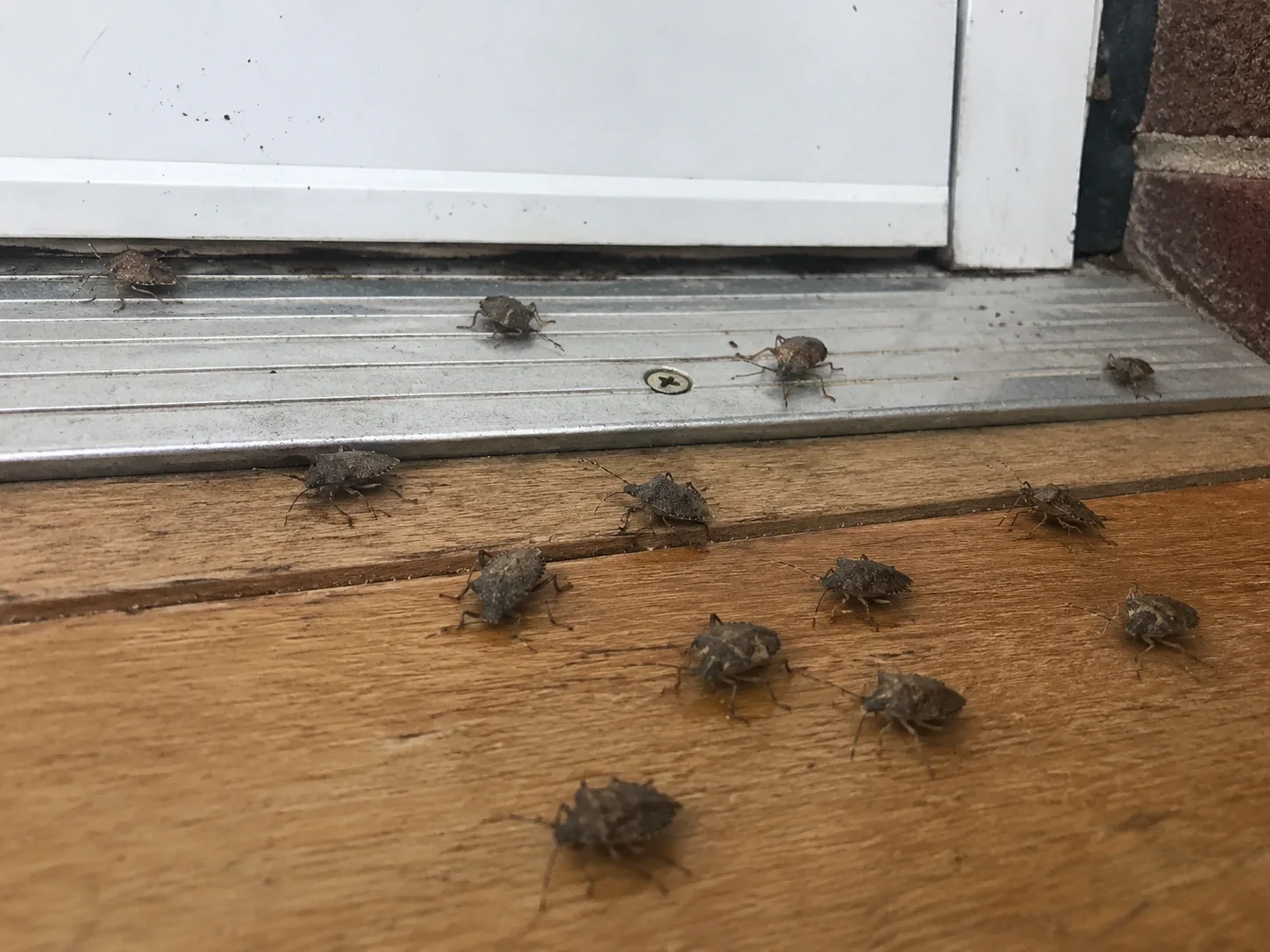
The Lowcountry pest environment is driven by moisture, canopy, and mild winters. Five structural and landscape factors attract pests to homes here more than anywhere else.
Read article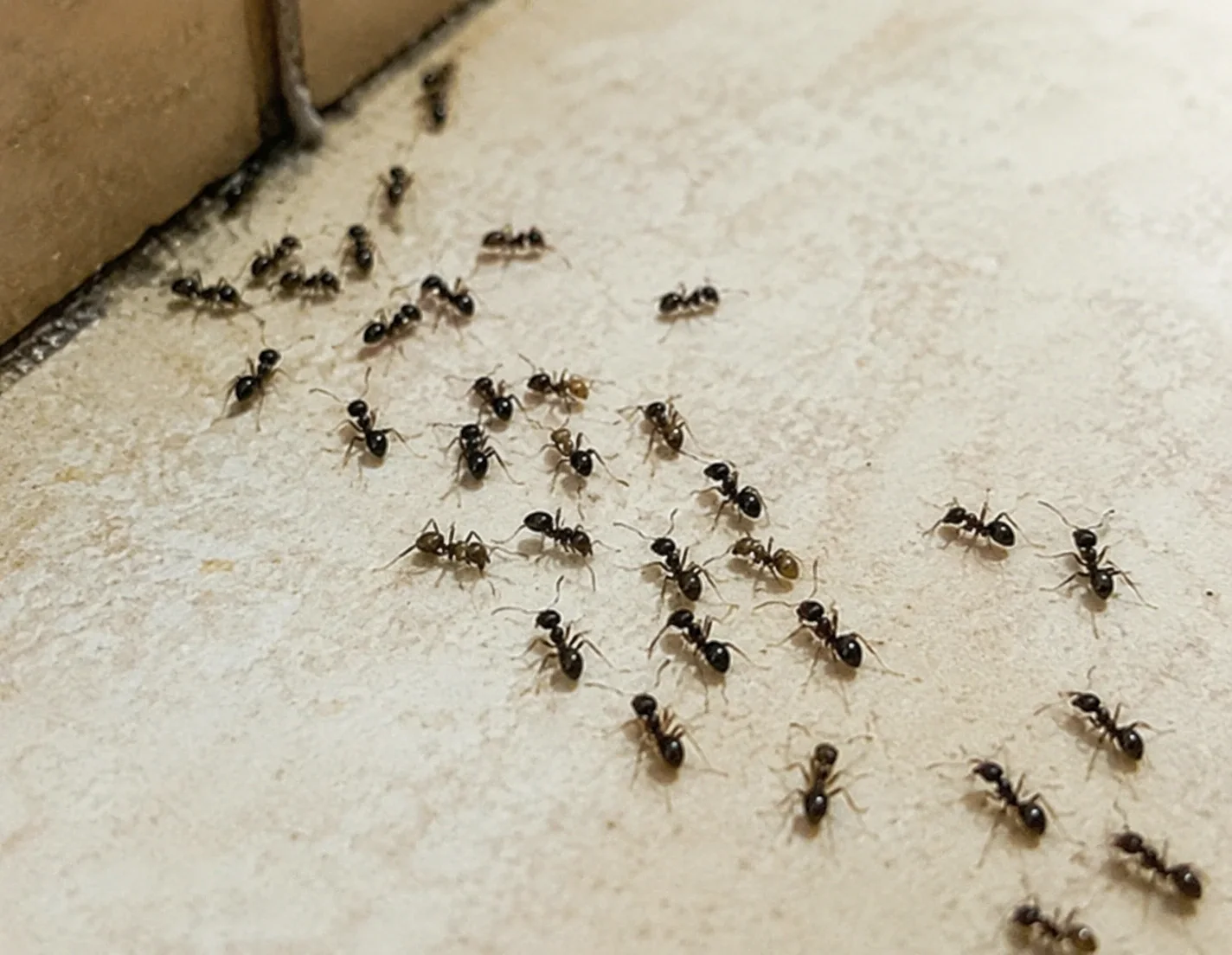
From Formosan termite swarmers to palmetto bugs in the kitchen, here are the ten pests Mount Pleasant homeowners deal with most and what each one is telling you about your home.
Read articleCall for a free inspection and an honest answer on crawl space treatments in Mount Pleasant and the towns around it — including whether you actually need it.
Call (843) 868-3211