Rodent Control
How Roof Rats Get Into Homes in Mount Pleasant, SC
Roof rats climb, not burrow. Understanding their travel routes is the first step to keeping them out of your attic.
Read article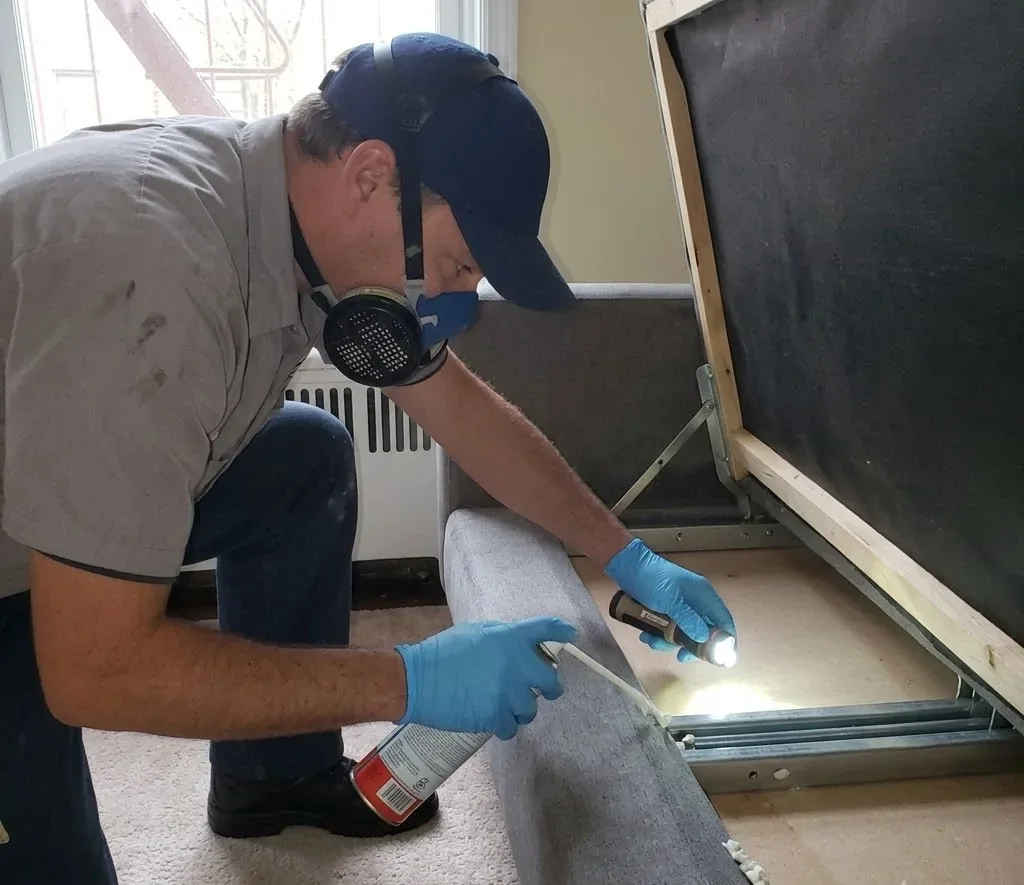
Seal the structure and remove what is already inside. Roof rats and house mice handled.
The dominant rodent in Mount Pleasant is the roof rat — an arboreal species that travels along palm trees and live oaks to reach rooflines, then enters through attic vents, soffit gaps, and utility penetrations. Norway rats are not the primary species here the way they are in northern cities. House mice exploit foundation cracks, garage door gaps, and utility line entry points.
Exclusion is the lasting fix. Trapping removes what is already inside; sealing the structure prevents the next population from following.
Across Charleston County, whether you're in I'On, Dunes West, Awendaw, or elsewhere around Mount Pleasant, homeowners call us for rodent exclusion because we treat the conditions specific to this area rather than applying a generic plan. It's the same reason our roof rats results hold up.
This runs equally well on either property type. Commercial work is scheduled around trading hours with documentation for SC DHEC inspections; residential is the same program for a house.
Roof rats are nocturnal and active in the attic above the ceiling. Scratching and running sounds after dark are the most common sign of an established attic infestation.
Roof rat droppings are tapered, about half an inch long. House mouse droppings are smaller and often found in kitchen cabinets and pantry shelves.
Rodents gnaw constantly to control incisor growth. Gnaw marks on wiring, PVC pipes, and food packaging indicate active use of a space.
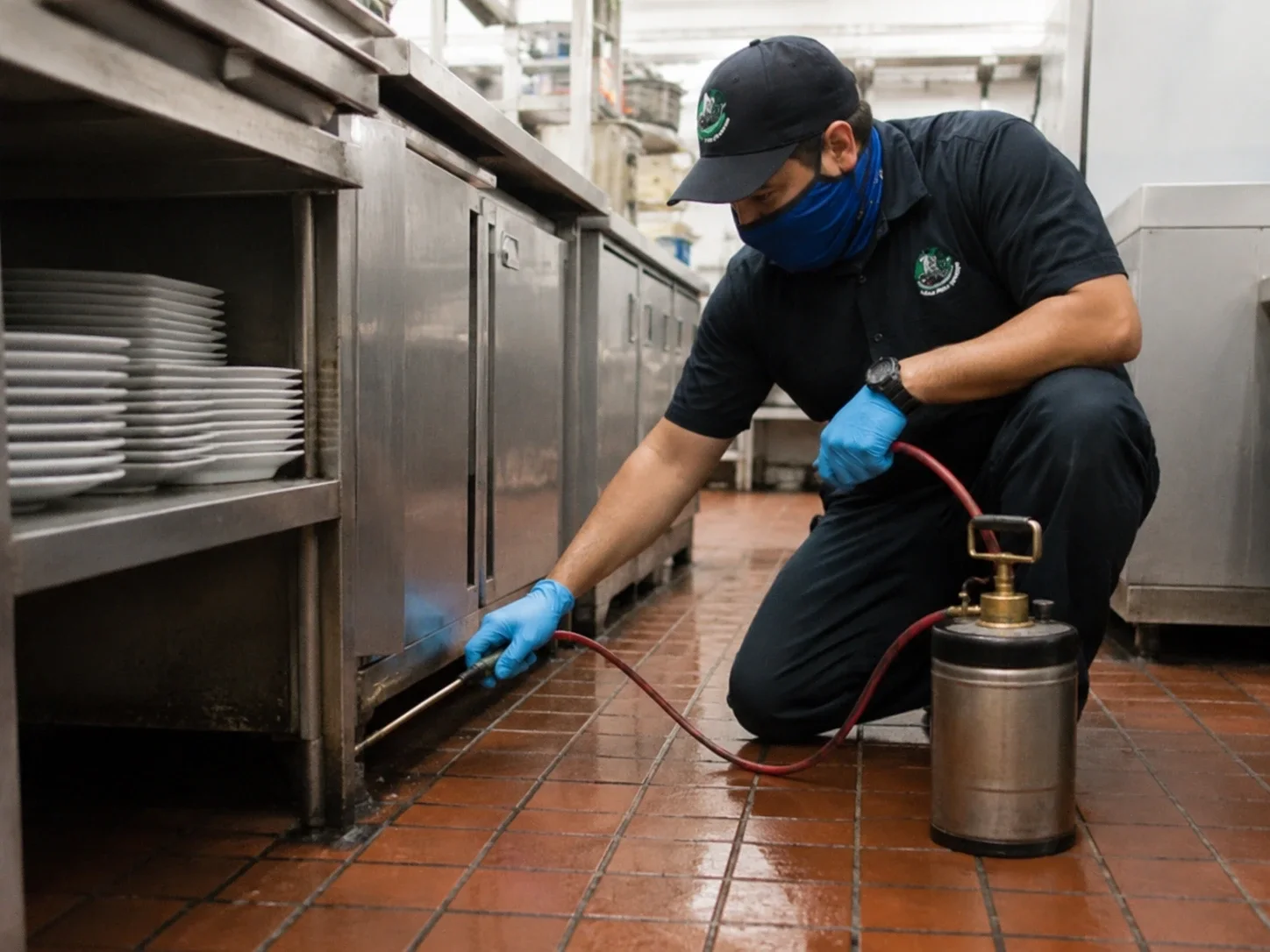
Full exterior inspection for entry points, plus interior assessment for harborage and active runways.
Snap traps placed along active runways. Rodenticide avoided near tidal water and in areas accessible to pets or wildlife.
Entry points sealed in hard materials — galvanized mesh, flashing, copper wool, and expanding foam over the top.
Check and reset traps until activity stops. Confirm all exclusion points are holding.
Roof rats re-colonize sealed structures within weeks if exclusion is incomplete. Trapping alone without sealing produces a temporary result. The exclusion work is what makes the job last.
Most rodent exclusion jobs around Mount Pleasant land inside these ranges. The inspection costs nothing and the exact figure goes in writing before anyone starts work.
| Size of job | Included | Guide figure |
|---|---|---|
| Small | A spot treatment on one room or one entry point | an estimated $160–$525 |
| Standard | Full interior plus a treated band around the foundation | an estimated $190–$750 |
| Large | A bigger property, multiple levels, or an established population | an estimated $285–$1200 |
| Severe | Extensive activity, handled over weeks rather than in one visit | an estimated $455–$1995 |
Exclusion work is priced separately, because it is construction rather than treatment. See the Mount Pleasant pricing guide for the whole picture, including where insurance does and does not apply.
Roof rats are an arboreal species that originated in Southeast Asia and thrive in warm coastal climates. They use palm trees and live oaks as highways to buildings. Norway rats prefer urban environments with ground-level burrows and are less common in suburban Lowcountry settings.
Second-generation anticoagulants are not recommended near tidal water and pose secondary poisoning risk to raptors and other wildlife. Snap traps placed along active runways in the attic are more targeted and equally effective.
Gaps around soffit returns, unscreened gable vents, utility penetrations through the roofline, and any gap larger than a half-inch in diameter. A palm tree or live oak branch touching the roof is often the bridge.
If exclusion is incomplete, yes. A neighboring tree touching the roofline or an unsealed vent will admit the next occupants within weeks. Complete exclusion, not just trapping, is what holds.
Expect $189–$499 for rodent exclusion in Mount Pleasant. Where you land inside that depends on access as much as area — a tight crawl space or an attic in August takes considerably longer than the same job at ground level.
A few guides that go deeper on this, written for Lowcountry homes.
Roof rats climb, not burrow. Understanding their travel routes is the first step to keeping them out of your attic.
Read article
Exclusion — sealing entry points — is the only permanent rodent control strategy. Here is a room-by-room walkthrough of where they get in and how to seal it.
Read article
Roof rats operate overhead and mostly at night. By the time most homeowners suspect them, the population is established. These seven signs confirm it.
Read articleCall for a free inspection and an honest answer on rodent exclusion in Mount Pleasant and the towns around it — including whether you actually need it.
Call (843) 868-3211