Termite Inspection for Buying or Selling a Home in Mount Pleasant
What the CL-100 is, who pays for it, what a bad one means for the deal, and how to stop it derailing your closing.
Almost every mortgage closing in South Carolina requires a CL-100 — the Wood Infestation Report, universally called the termite letter. It is carried out by a pest control operator licensed by SCDPR and it records visible active infestation by wood-destroying organisms, visible damage from them, and moisture conditions in the substructure. It is not a home inspection and it is not a guarantee. Order it early, because findings take time to resolve and a closing date does not move easily.
What the CL-100 is, and what it is not
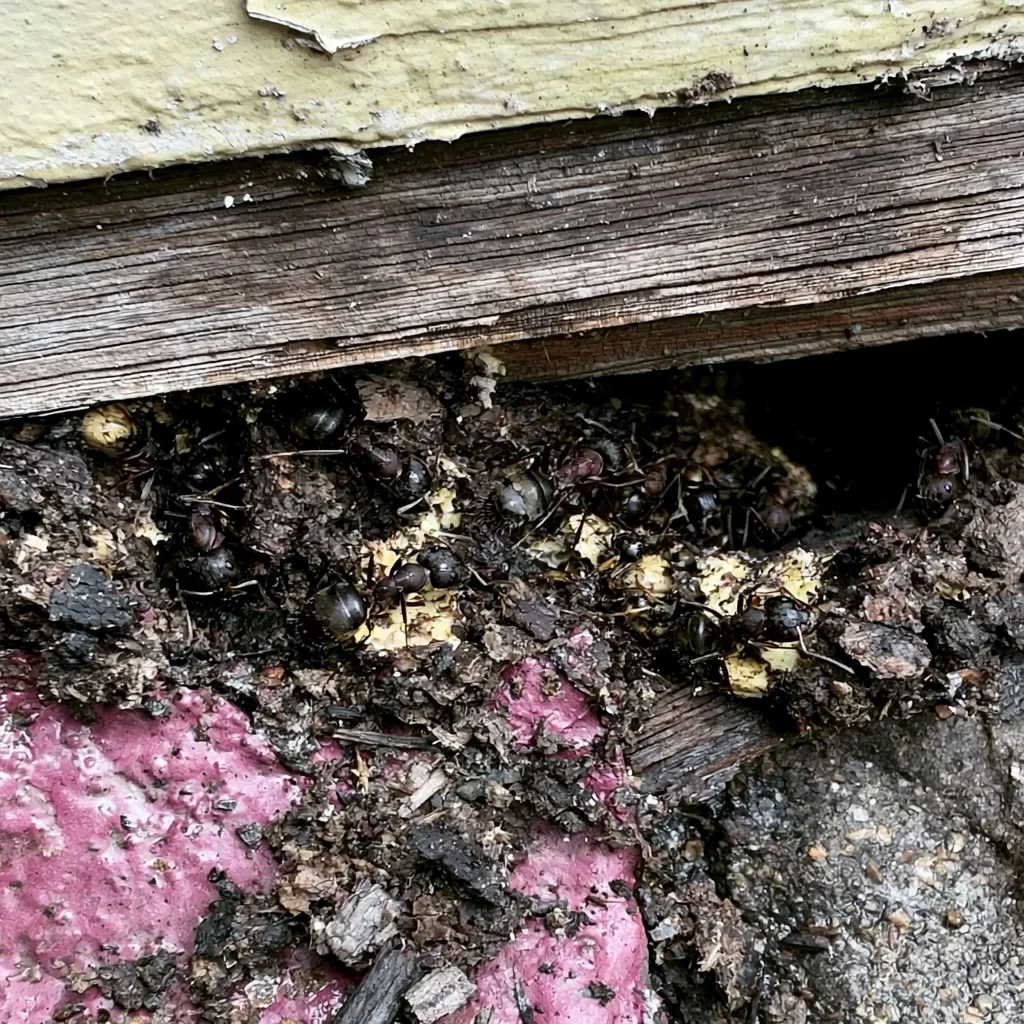
The CL-100 is a standard South Carolina form completed by a licensed pest control operator after inspecting the accessible parts of a property for wood-destroying organisms. In practice that means termites, powderpost beetles, old house borers, carpenter ants and carpenter bees, plus wood-decay fungi, plus the moisture conditions that allow all of them.
It is not a home inspection. It says nothing about the roof, the electrics, the HVAC or the structure generally. Buyers regularly assume the termite letter has covered more than it has, and it is worth being clear about that early: you need both, and they are different people doing different jobs.
It is also not a warranty. A clear CL-100 records what a competent inspector could see on the day, in the accessible areas. Finished walls, insulated crawl space ceilings, stored contents and anything sealed behind cladding are not accessible, and the report will say so.
The word 'clear' is doing a lot of work in conversation. In practice a great many Lowcountry reports come back with findings — old damage, previous treatment, moisture readings above threshold — and that is normal for the housing stock here rather than a red flag in itself.
That variability tracks with the closing dates that pile up on Daniel Island, where lots backing onto the Wando River waterfront and older sections near Daniel Island Town Center draw the same buyer scrutiny as anywhere else in Mount Pleasant. A pre-listing CL-100 lets a seller near Credit One Stadium address findings before an offer, rather than discovering them during a buyer's inspection window.
Who orders it, who pays, and when
Custom in the Charleston area is that the seller provides the CL-100, but this is contract-driven rather than fixed by law. Read the purchase agreement: it will say who is responsible and it may specify a dollar cap on treatment or repairs the seller is obliged to cover.
Lenders drive the timing. Most require the report dated close to closing, and many will not accept one older than about thirty days, so there is a window rather than an open-ended timeline.
That short window is exactly why the report should be ordered as early as the contract allows rather than in the final two weeks. If the inspection turns up active termites or a moisture reading over threshold, the treatment, the re-inspection and any repair all have to fit before the closing date. Two weeks is not enough for that; six is comfortable.
For a VA loan the position is stricter still, and the buyer generally cannot be charged for the inspection. If you are financing with VA, ask your lender to confirm what they require in writing before the inspection is booked, because a report that does not meet their format has to be redone.
Termite inspections in Mount Pleasant carry the same lender scrutiny as anywhere else in the region, but the timeline can shift depending on who else is booking that week. The licensed pros we connect you with also handle pre-closing inspections near Park Circle and Tanger Outlets in North Charleston, and out toward the Cypress Gardens Road corridor in Goose Creek, so scheduling around a VA lender's deadline is a routine part of the work, not a special request.
| When | What happens | Why it matters |
|---|---|---|
| Contract signed | Confirm from the agreement who orders and pays, and any repair cap | Removes the most common source of argument later |
| Week 1-2 | Inspection booked and carried out | Leaves room to react if there are findings |
| On receipt | Read all sections, not the summary line | Moisture and old damage findings sit below the headline |
| If findings | Treatment and any repair scheduled; re-inspection arranged | This is the step that eats the calendar |
| Within 30 days of closing | Final report dated for the lender | Most lenders will not accept an older report |
| At closing | Report on file; bond transfer arranged if one exists | A transferable bond is worth real money to the buyer |
What the inspector actually does
The inspection is a physical crawl of the substructure wherever there is access, plus the accessible perimeter, garage, and any area where wood meets soil. In a Mount Pleasant house that usually means somebody spending real time in the crawl space with a torch, a probe and a moisture meter.
Moisture readings are taken in the substructure and recorded on the form. South Carolina uses defined thresholds: at 20% and above the report records an excessive moisture condition, and at 28% and above wood-decay fungi are active and decay is occurring. Those numbers are not a matter of opinion, which is helpful when you are trying to work out how seriously to take a finding.
The inspector is looking for mud tubes on piers and foundation walls, damaged or hollow-sounding wood, exit holes and frass from beetles, fungal growth, and conducive conditions — wood-to-soil contact, debris under the house, standing water, poor drainage, form boards left in place after construction.
Inaccessible areas are recorded as inaccessible. If the crawl space entry is blocked, the report will say so, and a lender may not accept it. Clearing access before the inspector arrives is worth doing.
Buyers and sellers scheduling an inspection in Mount Pleasant aren't the only ones covered — the licensed pros we connect you with also work Moncks Corner closings, where older homes near Old Santee Canal Park and the Tail Race Canal carry their own moisture history, and commuters to Mount Pleasant relocating from as far out as Awendaw near the Sewee Visitor Center ask the same access questions before closing day.
When it comes back with findings
Active infestation means treatment before closing in almost every case, arranged with the lender's knowledge. That part is usually straightforward — the treatment is standard and a re-inspection follows.
Previous damage without active infestation is the more common finding and the more awkward conversation. The CL-100 records visible damage; it does not assess whether that damage is structurally significant. That question belongs to a structural engineer or a qualified contractor, and where damage is extensive it is worth paying for that opinion rather than negotiating in the dark.
Moisture findings above threshold are extremely common in Lowcountry crawl spaces and are usually resolvable with drainage, a vapor barrier, or dehumidification. They are not a reason to walk away from a house, but they are a legitimate item to negotiate on, and the cost of a proper fix is knowable in advance.
What a buyer should not accept is a verbal reassurance that a finding is nothing. Ask for the finding to be explained against what is written on the form, and ask what the remedy costs. Both are reasonable questions and a decent operator will answer them plainly.
Termite bonds and why they transfer
Many Mount Pleasant houses are already under an active termite bond. If so, the bond can usually be transferred to the buyer, sometimes for a small fee, and that is genuinely valuable: it preserves continuous coverage history, which is exactly what a new bond on an older house does not have.
Ask three things about any existing bond. Is it retreatment-only, or does it include repair. What is the transfer process and cost. And is it current — a lapsed bond is not a bond, and reinstating one on a house with a history is not always straightforward.
If there is no bond, the buyer will normally want to put one in place after closing. Getting a quote during the contract period rather than after moving in means the cost is a known number in your budget rather than a surprise.
Where the seller has had a treatment done in response to the CL-100, ask for the treatment record and the warranty that came with it. That paperwork should follow the house.
Selling: what to do before the inspector arrives
The single highest-value thing a seller can do is have the inspection done early, on their own initiative, rather than waiting for the buyer's timeline. Findings discovered six weeks out are a maintenance job. The same findings discovered ten days out are a renegotiation.
Before the inspection, clear crawl space access, remove stored timber and cardboard from under the house, cut back anything growing against the foundation, and clear the debris that inspectors routinely record as a conducive condition. None of that hides anything — it removes findings that genuinely are just untidiness.
Fix the obvious water problems. A downspout discharging against the foundation, a slow hose bib, a dripping condensate line — each of those can push a substructure moisture reading over the reporting threshold, and each is cheap to fix.
Gather the paperwork: any existing bond, past treatment records, previous CL-100s. A seller who can hand over a documented history is in a materially better negotiating position than one working from memory.
South Carolina disclosure, and what you have to say
South Carolina requires a residential property condition disclosure statement from most sellers, and it asks about known problems including infestation and damage. Known is the operative word — the obligation is about what you know, not what you could have found out.
A past termite treatment that was properly carried out and documented is not something to be nervous about disclosing. Buyers in this region expect termite history; what makes them nervous is discovering it themselves after being told there was none.
If you are unsure whether something needs disclosing, that is a question for your attorney rather than your pest control company. South Carolina closings are attorney-conducted, and this is exactly the sort of question they handle routinely.
What to check on a CL-100 before you rely on it
- The company's SCDPR license number appears on the report and is current
- The date — most lenders will not accept a report older than about thirty days
- Which areas were recorded as inaccessible, and why
- Substructure moisture readings, and whether any reach 20% or 28%
- Whether findings are active infestation, previous damage, or conducive conditions
- Whether an existing termite bond is in place and can be transferred
- That any treatment carried out has its own written warranty attached
Frequently Asked Questions
Is a CL-100 legally required in South Carolina?
Not by state law in itself — it is required by lenders, and since almost every purchase is financed, in practice it is required. Cash purchases can technically skip it, and buying a Lowcountry house without one is a poor decision. This region has both Formosan and Eastern subterranean termites and the housing stock is old enough that history is likely.
What is the difference between a CL-100 and a home inspection?
Completely different jobs. The CL-100 is a narrow report on wood-destroying organisms, the damage they have caused, and substructure moisture, carried out by a licensed pest control operator. A home inspection covers the condition of the house generally — roof, systems, structure, safety. You need both, and one does not substitute for the other.
The report shows old termite damage but no active termites. Is that a deal-breaker?
Usually not, and it is common in Mount Pleasant. What the report does not tell you is whether the damage matters structurally — the CL-100 records visible damage, it does not assess load-bearing significance. Where damage looks extensive, pay for a structural engineer or qualified contractor to look before you negotiate. That opinion costs a few hundred dollars and it is the difference between negotiating on facts and negotiating on fear.
How long is a CL-100 valid?
There is no fixed expiry, but most lenders will not accept one dated more than about thirty days before closing. Practically, treat it as a thirty-day document and time the inspection accordingly. If the closing slips, expect to need a fresh one.
Who pays for it in Charleston County?
Custom is the seller, but it is set by the purchase contract rather than by law, so read the agreement. The contract may also cap what the seller has to spend on treatment or repairs arising from the report. On a VA loan the buyer generally cannot be charged for the inspection, so check the loan type first.
Can I use any pest control company for it?
It has to be a company licensed by SCDPR to issue the report, and the license number appears on the form. Beyond that, using an operator who is independent of the sale is worth considering — an inspection carried out by the company that also wants to sell you the remedy is not wrong, but a second opinion on a significant finding is cheap insurance.
Get the termite letter done early, not late
Call and we will connect you with an SCDPR-licensed local inspector who can carry out a CL-100 on your timeline, explain any finding against what is written on the form, and give you the cost of putting it right before it becomes a closing problem.
Call (843) 868-3211