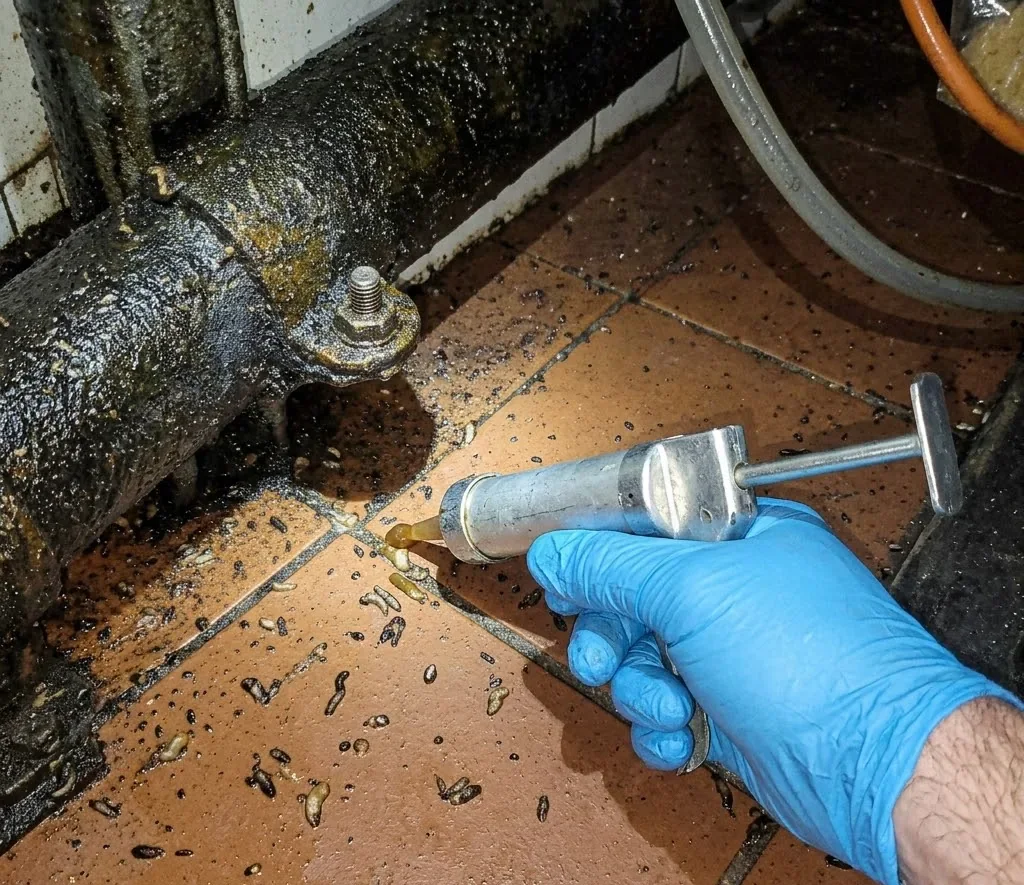
Termite Inspection
CL-100 inspections for real estate closings and annual termite protection against Formosan and Eastern subterranean termites.
Learn about Termite InspectionMature 1970s–80s golf community — Formosan termite exposure, canopy rodents, crawl space moisture
Snee Farm is one of Mount Pleasant's established golf neighborhoods, laid out around a country club off Long Point Road with most houses built through the 1970s and 1980s. Two things about that vintage drive the pest calls. The tree canopy has had fifty years to mature, so live oak and pine limbs now sit over rooflines that were clear when the houses went up, giving roof rats and gray squirrels a direct route into soffits and gable vents. And the wood itself is old enough to matter: this is prime Formosan subterranean termite territory, and a house whose original soil treatment lapsed decades ago has no barrier left. Many homes here sit over crawl spaces rather than slab, which adds a moisture question underneath every termite conversation.
Housing age, groundwater and the roofline all feed into it. This is the picture specific to Snee Farm.
Snee Farm is mainly 1970s–1980s, predominantly crawl space with some slab. Renovation history is the wildcard on these — an enclosed porch or an added bathroom often hides the original exterior wall, and with it the gap nobody sealed when the work was done.
Being close to golf course ponds, Horlbeck Creek tributaries and tidal marsh to the north changes the whole picture. Standing water in gutters, boat covers and plant saucers becomes a mosquito nursery within a week of rain, so the first job on these properties is walking the grounds for breeding sites.
Established inland neighborhood — dense canopy holds humidity, no hard freeze, year-round termite and flea activity. Treatment is scheduled around that cycle rather than applying the same product all year, so each wave is intercepted before it establishes.
The healthcare, professional services, hospitality, retail presence around Snee Farm brings shared buildings into the picture, and in a shared building a problem in one unit is a problem for the units either side of it.
Published ranges rather than a phone quote, because guessing at scope is how people end up with surprise charges.
| Service | Estimated cost |
|---|---|
| Termite Inspection | an estimated $449–$1400 |
| Crawl Space Treatments | an estimated $279–$850 |
| Rodent Exclusion | an estimated $189–$499 |
| General Pest Control | an estimated $99–$239 |
Irrigated fairways and water hazards next to residential lots keep humidity and mosquito activity high along the course edge.
The main artery on the neighborhood's north side, with commercial premises where German cockroach and rodent pressure concentrates.
Fifty-year-old oaks now overhang many rooflines, giving roof rats and gray squirrels direct access to soffits and gable vents.
CL-100 inspections for real estate closings and annual termite protection against Formosan and Eastern subterranean termites.
Learn about Termite Inspection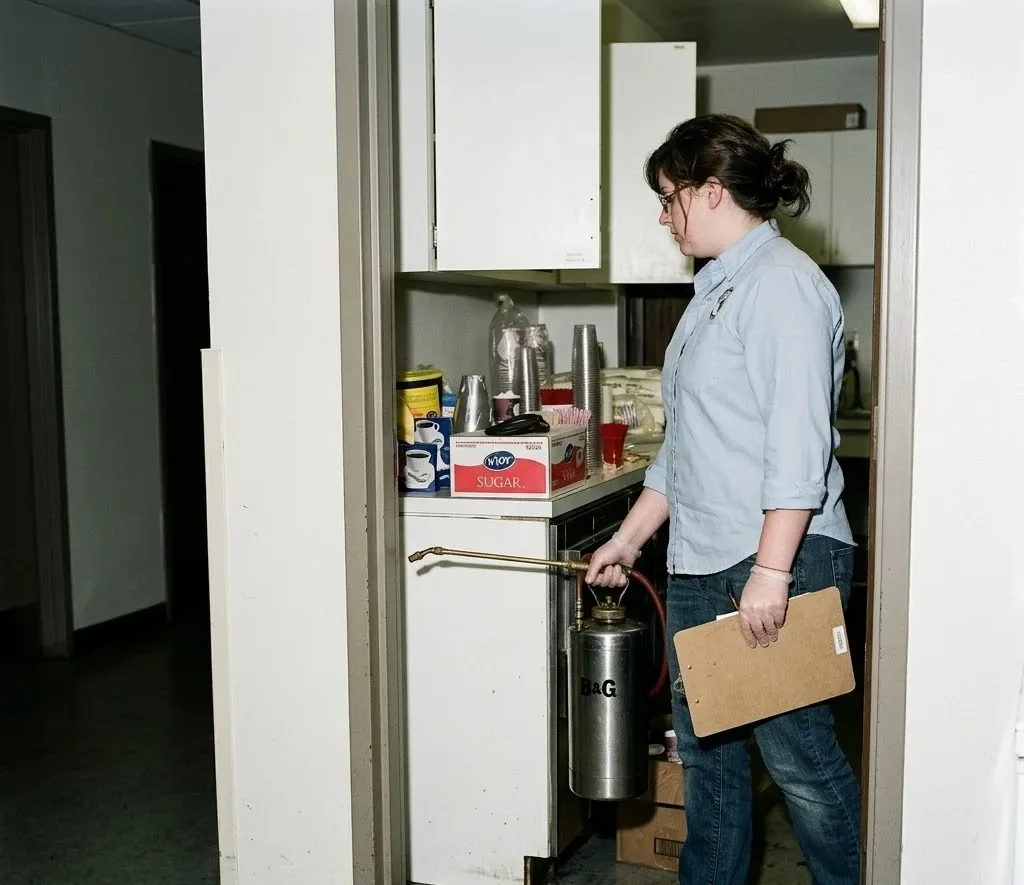
Moisture barriers, termite pretreatment, and pest control for Lowcountry crawl space homes.
Learn about Crawl Space Treatments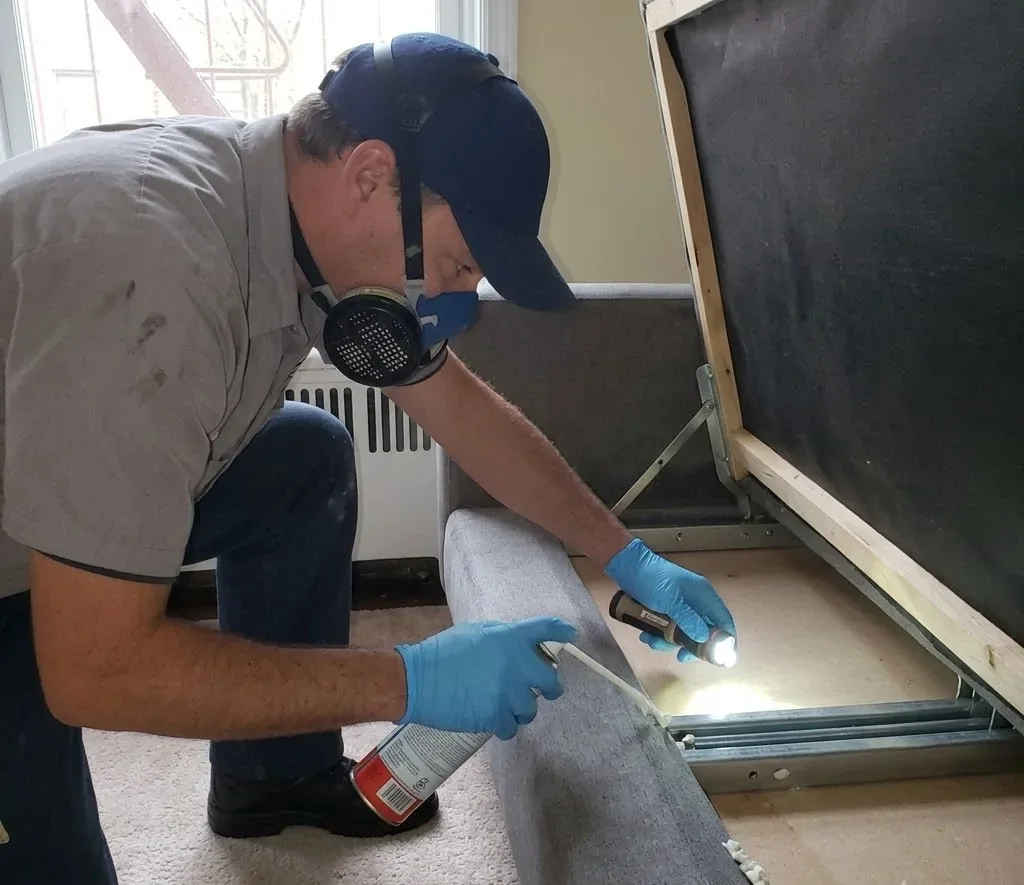
Seal the structure and remove what is already inside. Roof rats and house mice handled.
Learn about Rodent Exclusion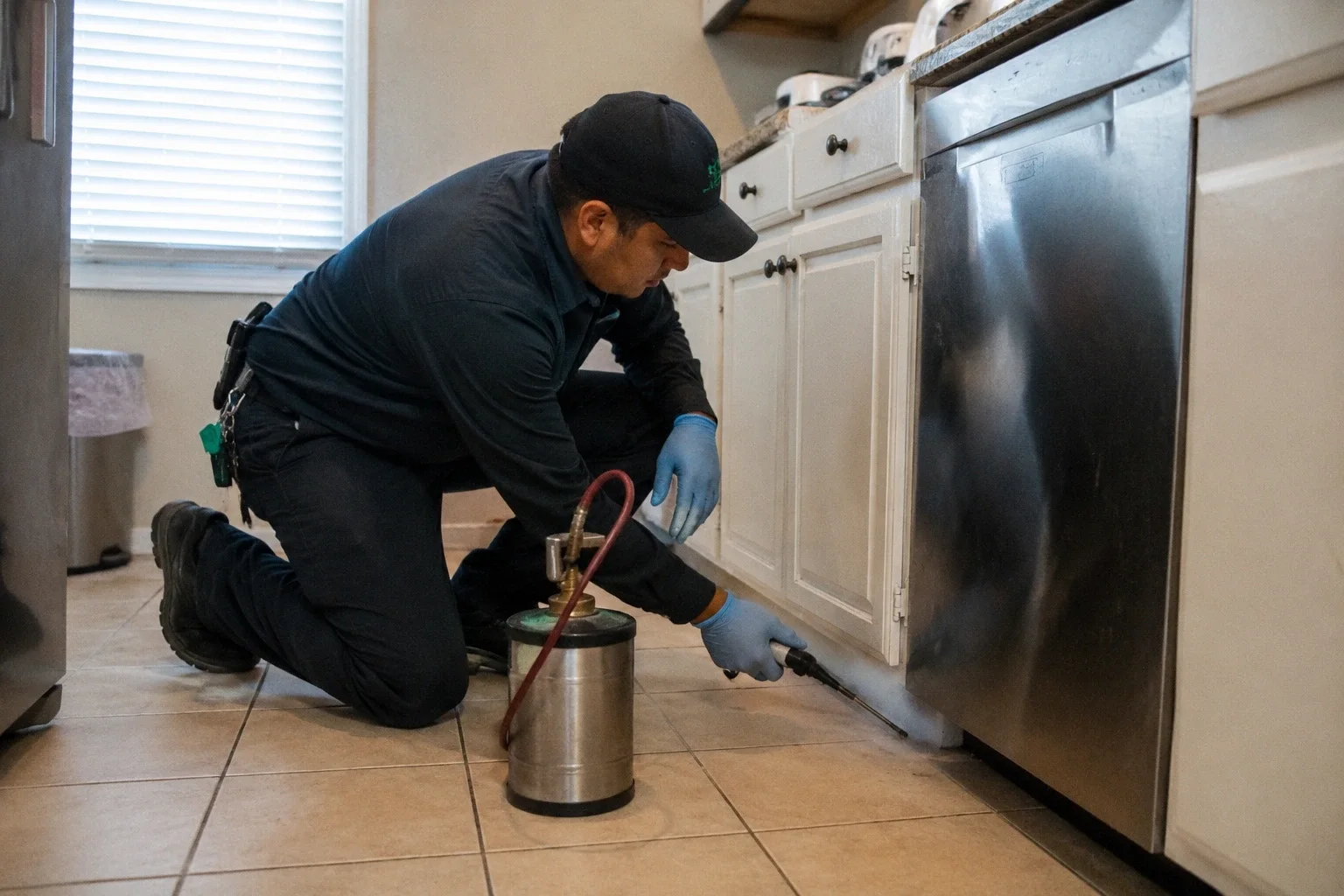
One plan that keeps palmetto bugs, ants, roaches, and common pests out of your home all year.
Learn about General Pest ControlTwo reasons. The Charleston area is the oldest established Formosan territory in the United States, and Formosan colonies are far larger than native subterranean colonies — they cause damage faster and can attack from an aerial nest without soil contact. Second, houses from the 1970s and 1980s were treated with products that no longer exist and whose soil barrier has long since broken down. If a Snee Farm home has not been on an active bond continuously, it should be inspected before anything else.
Almost always moisture first, with the termite risk following from it. Wood held above about 19 percent moisture content is where wood-decay fungi establish, and softened wood is exactly what subterranean termites forage toward. Getting moisture readings taken in the sill plates and floor joists tells you which problem you actually have, and in what order to fix it.
Roof rats mostly, and gray squirrels in autumn. Both use the mature canopy as a bridge — they do not climb the wall, they arrive along a limb. Trimming limbs back six to eight feet from the roofline removes the route, and sealing gaps a quarter inch and larger at soffits, gable vents and utility penetrations closes what is left. Poison in an attic is a poor choice here: a rat that dies inside insulation is very hard to find.
They are a slow structural issue on houses of this age. Carpenter bees bore into unpainted or weathered softwood — fascia boards, deck rails, porch ceilings — and return to the same galleries season after season, extending them each year. Woodpeckers then open the galleries further chasing the larvae. Treating the galleries and then sealing and painting the exposed wood is what stops the cycle.
Not legally, no — the CL-100 is a real estate transaction document required at most SC mortgage closings. But the inspection behind it is the same one you would want anyway on a house of this age, and having one done outside of a sale means you find things on your own timeline rather than three weeks before a closing.
Same day is realistic if you call early. Snee Farm sits 3 miles from downtown Mount Pleasant, which is comfortably inside the routing. Genuine emergencies jump the queue regardless of the schedule.
Call for a free inspection and a straight recommendation. Snee Farm and the surrounding Charleston County communities are covered, with same-day service for anything active.
Call (843) 868-3211