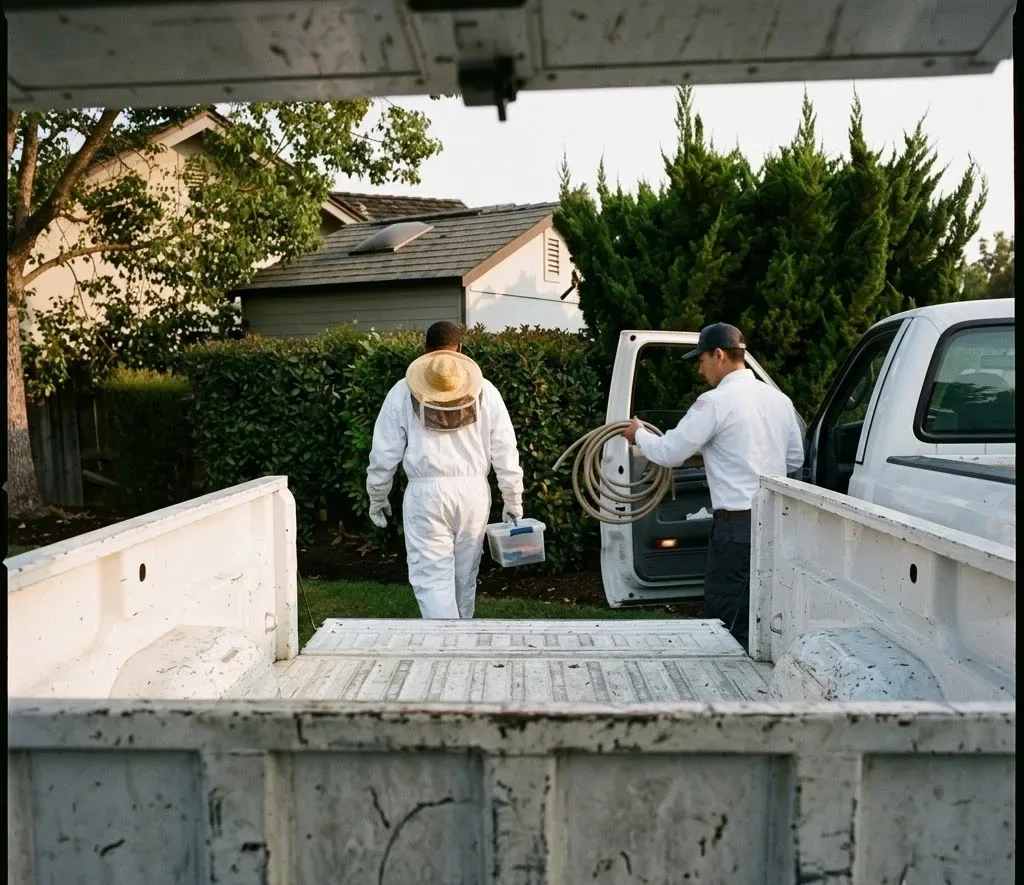
Mosquito and Tick Control
Reclaim your yard with barrier treatments that knock down mosquitoes and lone star ticks.
Learn about Mosquito and Tick ControlForest and refuge edge — highest tick pressure in the area, heavy wildlife movement, large wooded lots
Awendaw is a small Charleston County town strung along Highway 17 north of Mount Pleasant, wedged between the Francis Marion National Forest on one side and the marshes of Bulls Bay and the Cape Romain refuge on the other. That is an unusual amount of wild land for a residential area, and it shows in the work. Tick pressure is the highest in the service area, with lone star ticks dominant along the forest edge. Wildlife calls run heavily to raccoons, opossums, armadillos, snakes and squirrels moving out of the forest into outbuildings and attics. Lots are large and often wooded right up to the house, so the buffer that suburban properties rely on usually is not there, and treatment focuses on the structure and the immediate perimeter rather than on the wider yard.
The reasons behind the calls from Awendaw, rather than a generic list of pests.
You are mostly looking at 1970s–present, large wooded lots, mixed crawl space and slab across Awendaw. Wood-to-soil contact on porch posts and older deck footings is common on these builds, and anywhere in the Lowcountry that is a direct invitation to subterranean termites.
Bulls Bay lifts the humidity noticeably under the floor. Cardboard storage, stacked timber and damp insulation all turn into harborage in those conditions, and clearing them is often half the work.
Forest and marsh edge — no freeze, longest tick season in the service area, heavy year-round wildlife activity. Prevention here runs twelve months because the pests do. What changes through the year is which one is loudest, not whether there is one.
Because forestry and outdoor recreation, construction, marine trades, commuters to Mount Pleasant employ locally, premises work is a steady part of what gets covered in Awendaw — scheduled around trading hours and documented for SC DHEC.
Most Awendaw jobs land inside these ranges. The inspection is free and the exact figure comes in writing before anything starts.
| Service | Estimated cost |
|---|---|
| Mosquito and Tick Control | an estimated $69–$139 |
| Wildlife Removal | an estimated $189–$549 |
| Rodent Exclusion | an estimated $189–$499 |
| Termite Inspection | an estimated $449–$1400 |
Over a quarter million acres pressed against the town's western side — the source of the tick and wildlife pressure that defines pest work here.
Extensive tidal marsh and bay on the eastern side, generating salt marsh mosquitoes that reach residential property regardless of yard treatment.
Forest service center on Highway 17 — a useful marker for the stretch where forest habitat meets the residential corridor.
Reclaim your yard with barrier treatments that knock down mosquitoes and lone star ticks.
Learn about Mosquito and Tick Control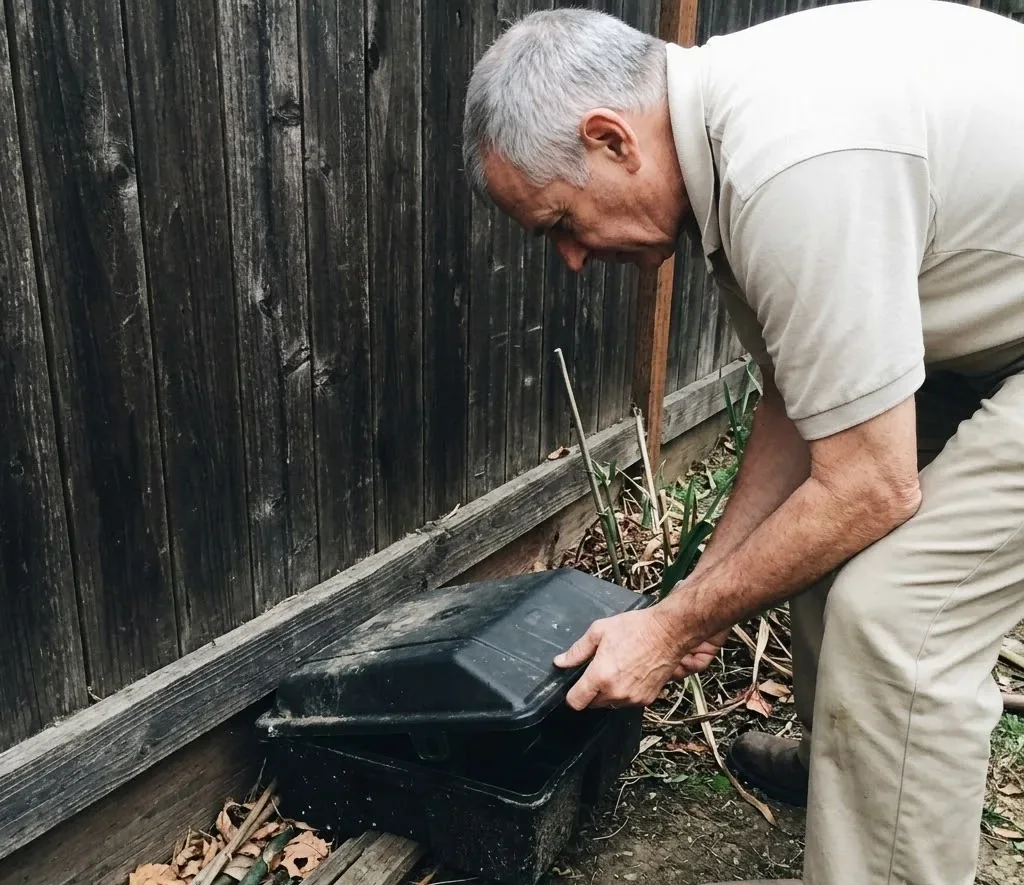
Humane wildlife removal compliant with SC DNR regulations. Squirrels, raccoons, armadillos, and more.
Learn about Wildlife Removal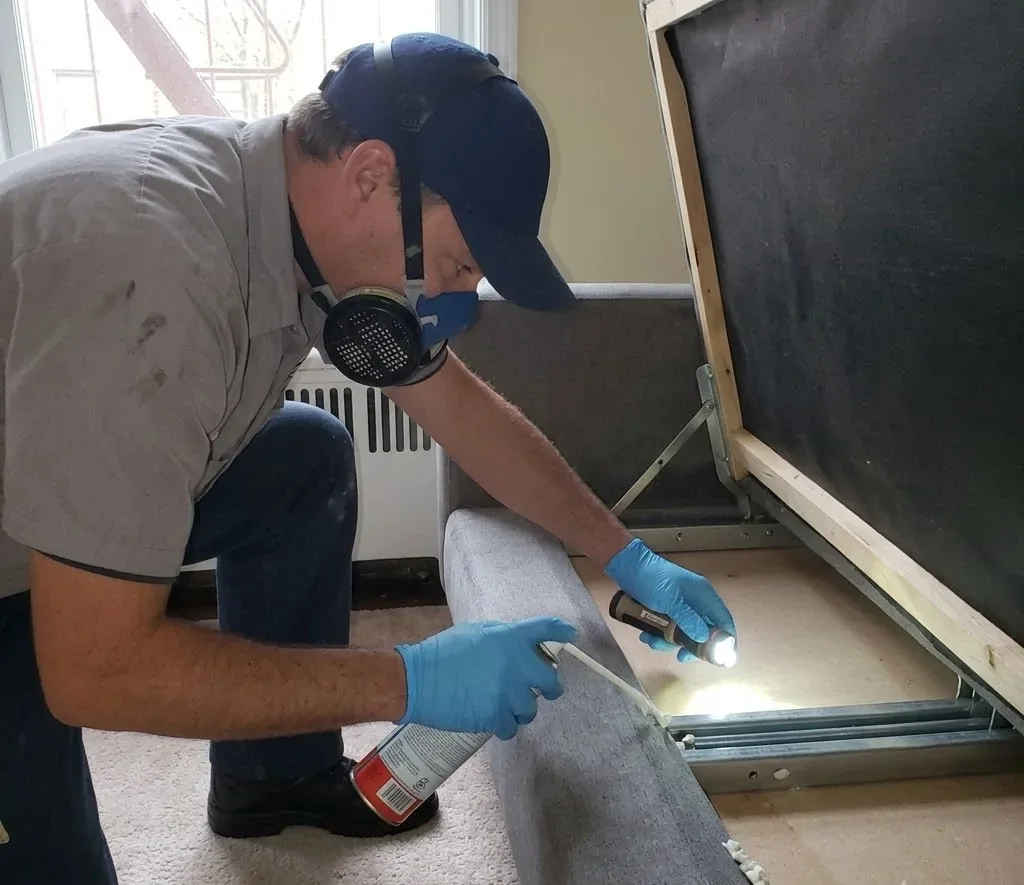
Seal the structure and remove what is already inside. Roof rats and house mice handled.
Learn about Rodent Exclusion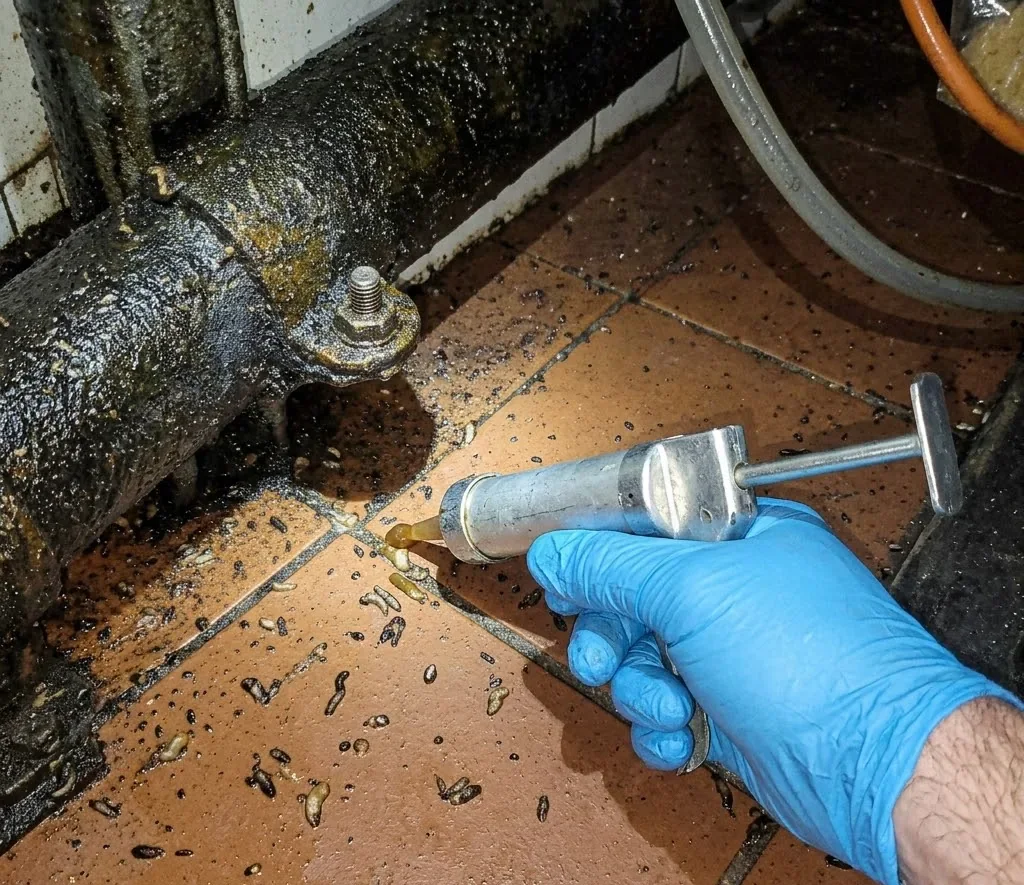
CL-100 inspections for real estate closings and annual termite protection against Formosan and Eastern subterranean termites.
Learn about Termite InspectionFolly Beach · Park West · Snee Farm · Old Village · I'On · Dunes West · Moncks Corner · Ladson
Because the habitat is right there. Lone star ticks need leaf litter, shade and a host population of deer and small mammals, and the Francis Marion National Forest supplies all three directly against residential property. The single most effective yard measure is treating the transition zone — the first few meters where mown grass meets woodland — along with keeping that boundary clear of leaf litter, rather than treating open lawn.
It is the tick with a single white dot on the female's back, and it is the dominant species in the Lowcountry. It carries the risk of STARI and of alpha-gal syndrome, an allergy to red meat triggered by a tick bite. The deer tick, the main Lyme disease vector, is present in South Carolina but far less common here than in the Northeast. Knowing which one you are dealing with changes what you watch for after a bite.
Exclusion, done properly, and in the right order. An animal has to be out before the opening is sealed, or it will either die inside or tear a new way out. After that, the work is hardware cloth over vents and gable openings, sealing gaps at rooflines and foundations, and removing what attracted them — feed, refuse, pet food, accessible water. SC DNR rules govern how some species may be handled, which is one reason to use a licensed operator here rather than a trap from a hardware store.
Yes, indirectly. More wood in contact with soil near a structure — stumps, fallen limbs, landscape timbers, firewood stacked against a wall — means more foraging activity close to the house, and shade keeps the soil damper. Formosan and Eastern subterranean termites are both present. Clearing wood-to-soil contact around the perimeter is genuinely useful and costs nothing.
To a point. Nobody can make a wooded Lowcountry property snake-free, and most species here are harmless and useful. What can be done is habitat work close to the house — clearing debris piles, tall grass and rodent harborage — since removing the rodents removes the main reason a snake comes close to a structure. Where a venomous species is found in a living space, that is a removal call, not a treatment.
Yes for urgent work, and usually within a few days for routine inspections. If someone is at risk of stings or an animal is loose indoors, say so at the start of the call rather than the end.
Call for a free inspection and a straight recommendation. Awendaw and the surrounding Charleston County communities are covered, with same-day service for anything active.
Call (843) 868-3211