
Pest Directory
Common Pests in Mount Pleasant, SC
16 pests that genuinely turn up in Lowcountry homes, how to tell each one from its look-alike, and what it takes to get rid of it.
Straight answer
This is the full list of pests we treat in Mount Pleasant and the surrounding Charleston County towns. Each page covers how to tell the pest apart from whatever it gets confused with, the signs to look for, why it is happening in a local home, and what treatment actually involves. Estimated costs are on the pricing guide.
Two things are worth knowing before you scroll. First, identification changes the treatment more than people expect, and the wrong product can make a problem worse rather than merely slower — which is why several of these pages spend as much space on the look-alike as on the pest itself. Second, this list is written for coastal South Carolina. Half the advice online is written for places with hard winters, and it does not transfer: the dominant tick here is the lone star, not the deer tick; the dominant rat is the roof rat, not the Norway rat; and the termite that does the most damage in this county is Formosan, which most national guides barely mention.
Ants and wood pests

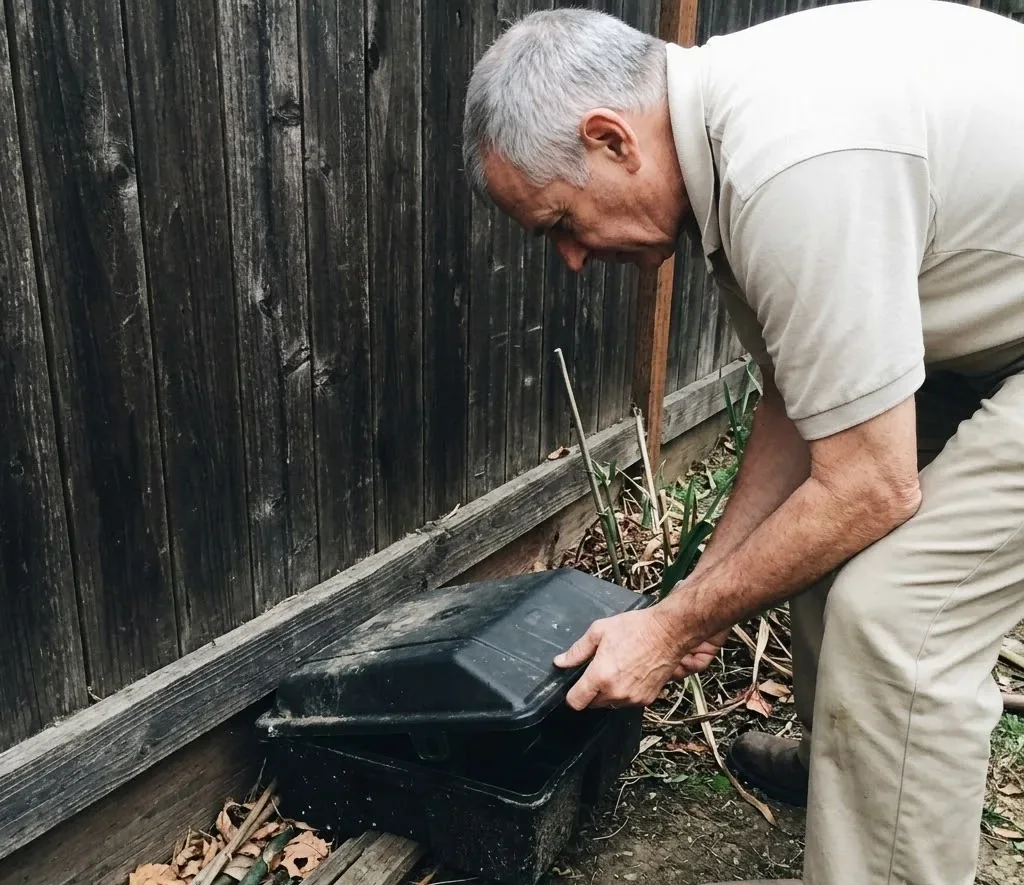
Rodents
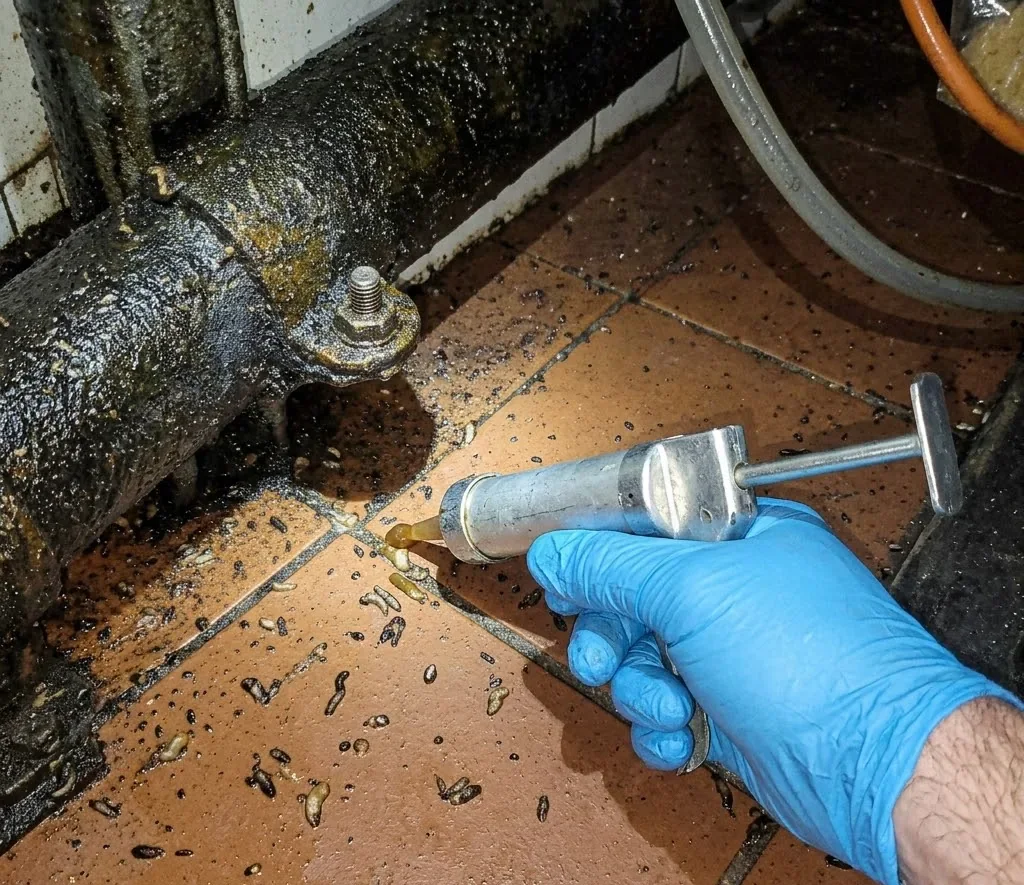
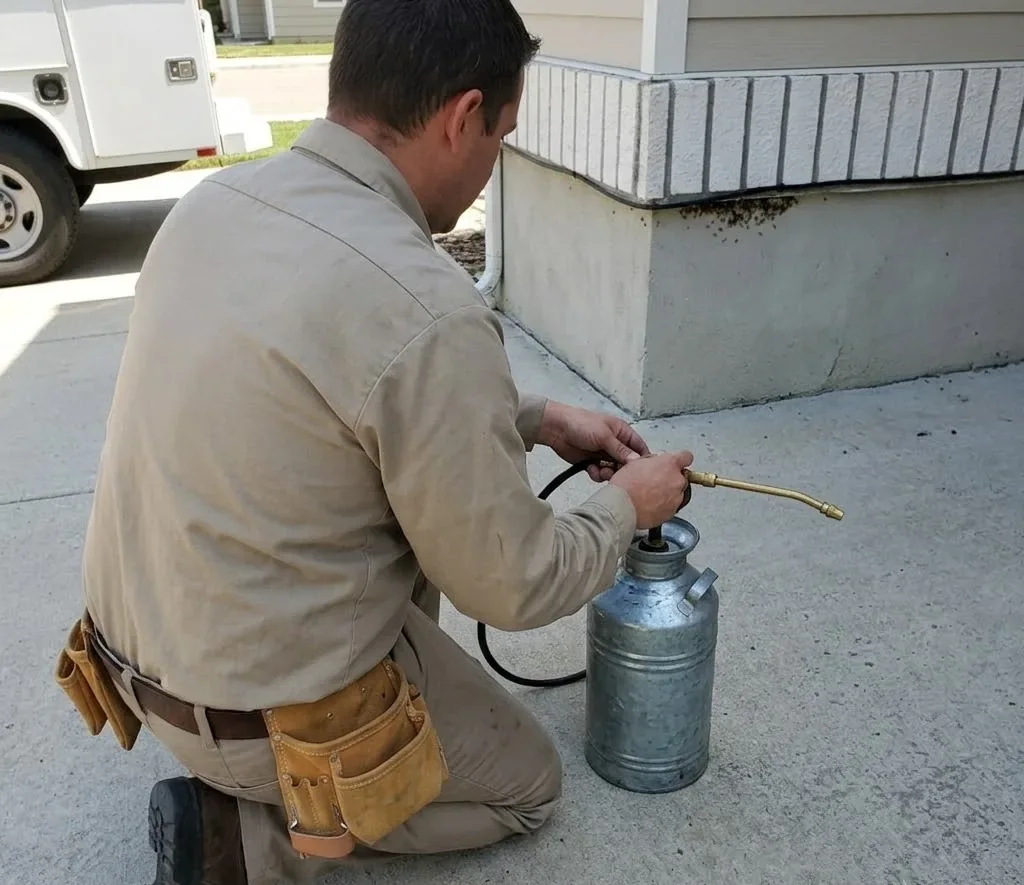
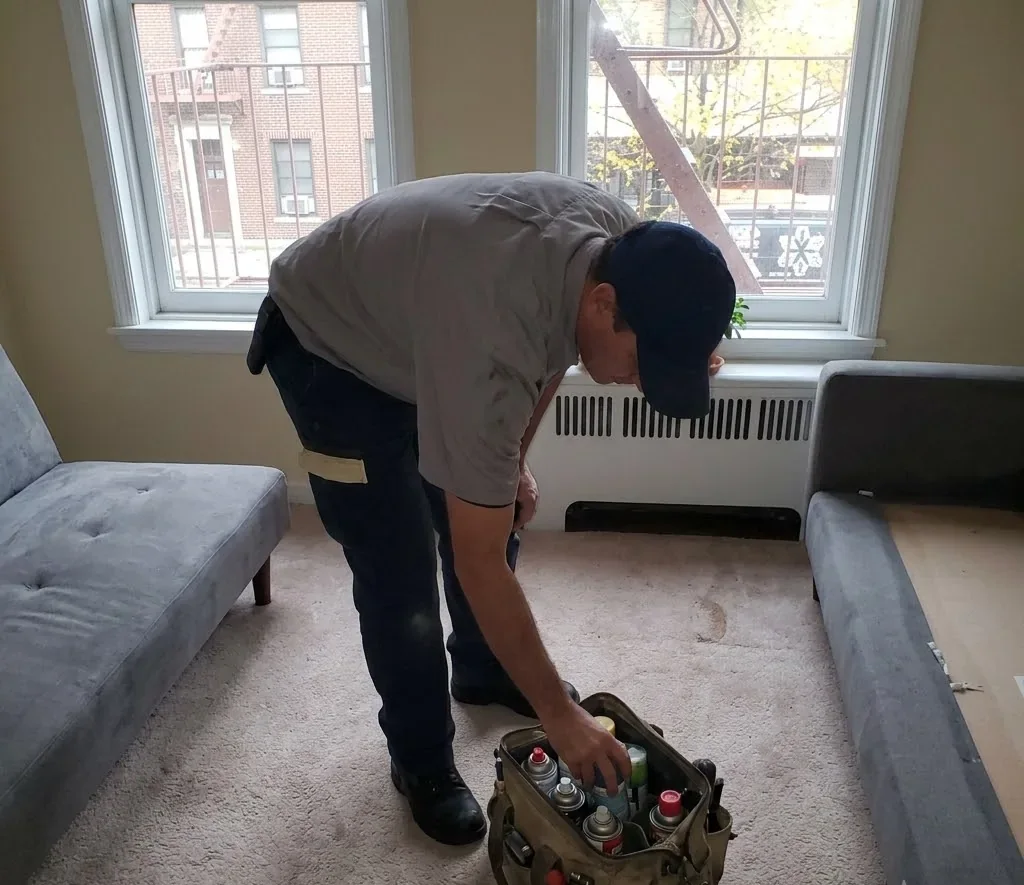
Roaches and crawling insects
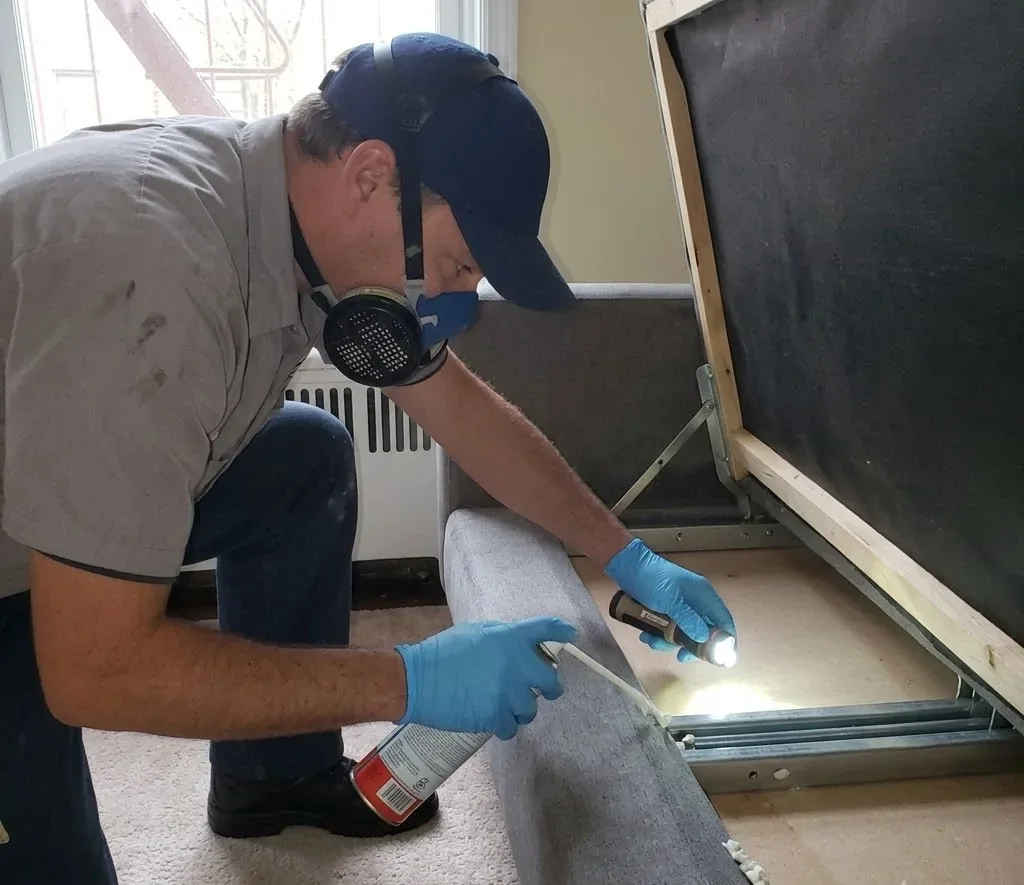
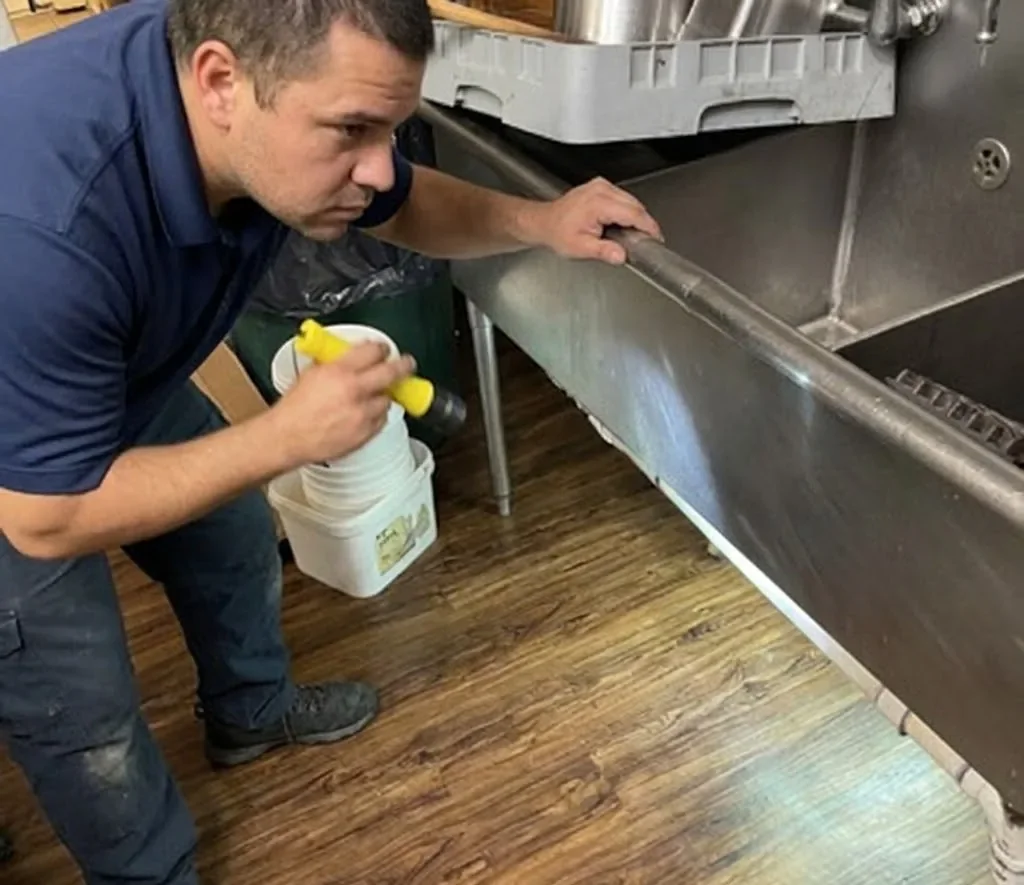
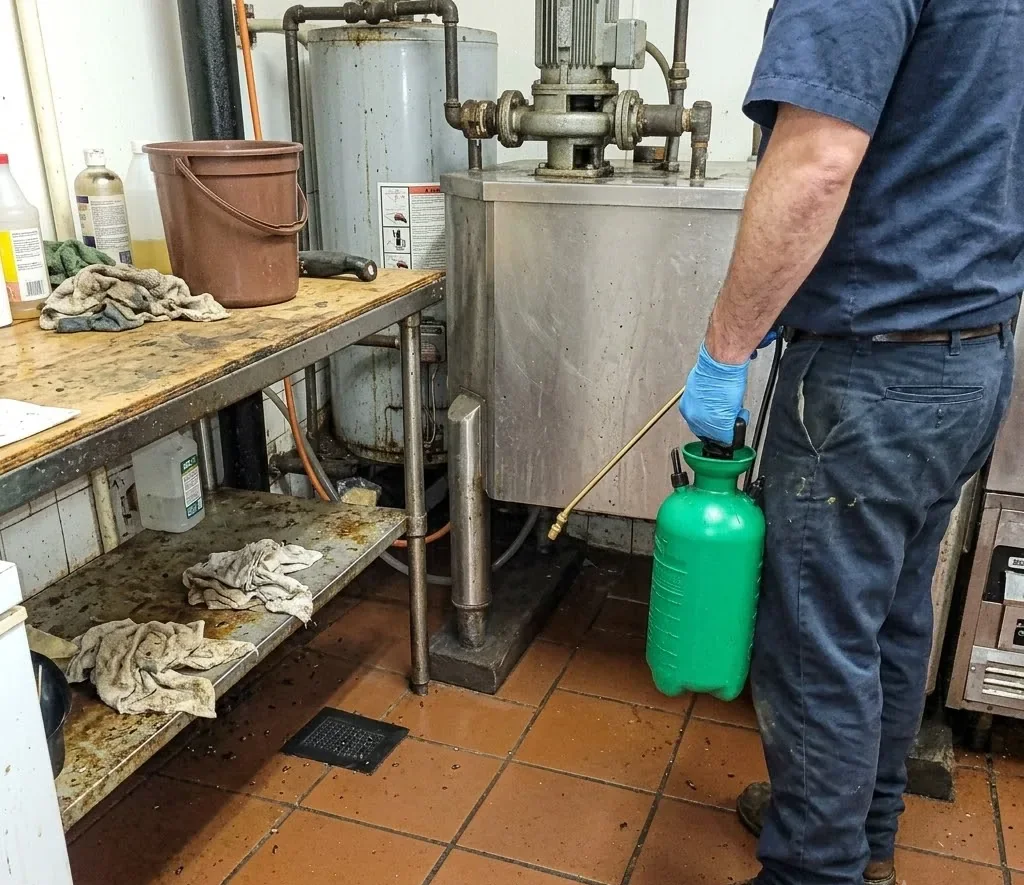
Biting and stinging
Questions & Answers
Frequently Asked Questions
Which pests are actually common in Mount Pleasant?
It shifts with the season rather than staying still. Spring brings fire ants and termite swarmers, summer belongs to mosquitoes, lone star ticks and wasps, autumn pushes roof rats toward the roofline as nights cool, and German cockroaches and fleas carry on through a winter that never really arrives. That is why a page per pest is more use than one list of everything.
I do not know what I have. Where do I start?
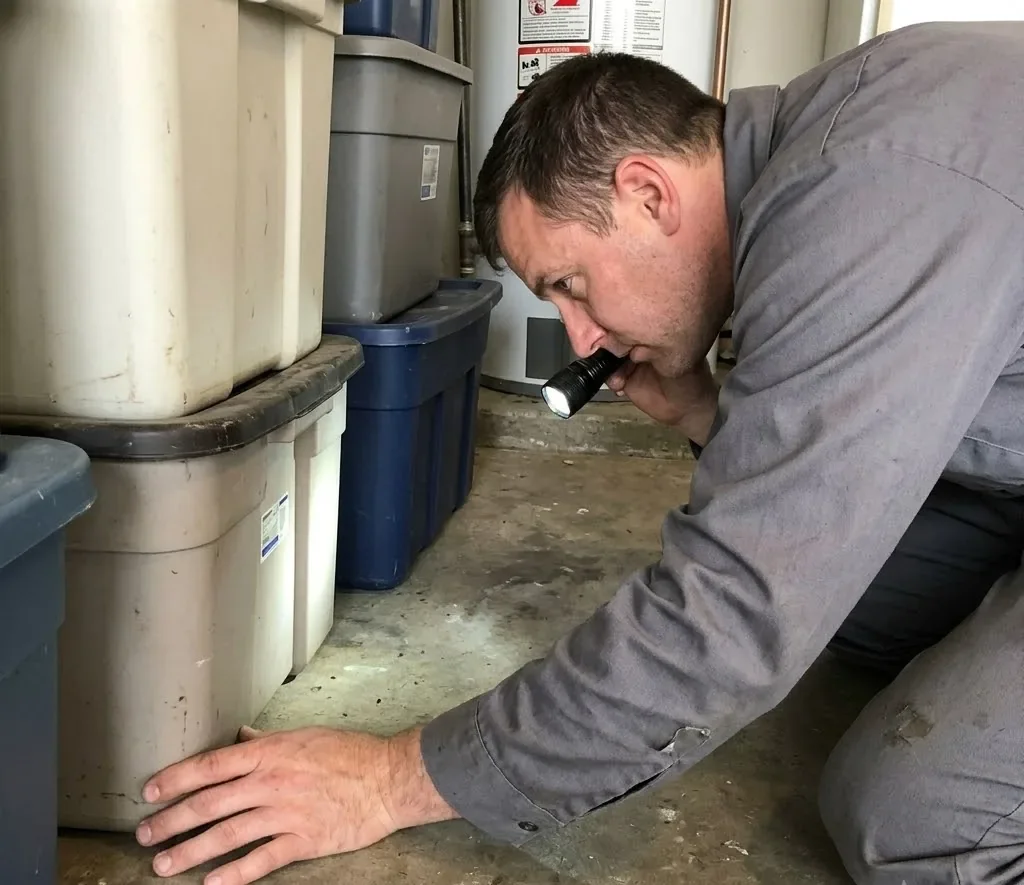
Start with what you are seeing rather than what you think it is — half of identification here is ruling out the look-alike, and several of the local ones matter: lone star tick against deer tick, roof rat against Norway rat, Formosan against Eastern subterranean termite. The symptom page walks through what people actually notice and points at the likely cause. The inspection costs nothing, and misidentifying a pest is the usual reason a treatment fails.
Do some pests cost more than others?
Yes, and the gap is real work rather than a surcharge. A fire ant baiting round is one visit with a follow-up. Formosan termites need a treatment plan and a bond behind it; bed bugs need multiple visits and preparation from you; anything nesting in a wall void or a Lowcountry attic needs protective gear and a shorter working day in summer. That is why those sit at the top of the range, and why the bands for each are published rather than quoted on the phone.
Get Started Today
Not sure what you are dealing with?
Call for a free inspection. Identifying it correctly is the part that decides whether a treatment works, and it costs nothing to have someone look.
Call (843) 868-3211