Mosquito and Tick Control
Reclaim your yard with barrier treatments that knock down mosquitoes and lone star ticks.
Learn about Mosquito and Tick ControlWando River marsh frontage — salt marsh mosquitoes, wildlife pressure from the marsh and woodland edge
Dunes West is a large golf community off Highway 41, built from the early 1990s onward on land that runs down to the Wando River and its tidal marsh. The marsh frontage is the defining feature for pest work: salt marsh mosquitoes are generated in the wetlands regardless of anything done on a private lot, and the wooded and marsh-edge borders bring a steady flow of wildlife — raccoons, opossums, armadillos and gray squirrels — into back gardens. Away from the water, the neighborhood behaves like any large irrigated development, with fire ants across open turf and Asian tiger mosquitoes breeding in whatever standing water a property provides. Most houses are slab or raised slab, so termite entry tends to be through expansion joints and plumbing penetrations rather than crawl space framing.
Housing age, groundwater and the roofline all feed into it. This is the picture specific to Dunes West.
Dunes West is mainly 1990s–2010s, predominantly slab and raised slab. Renovation history is the wildcard on these — an enclosed porch or an added bathroom often hides the original exterior wall, and with it the gap nobody sealed when the work was done.
Being close to Wando River, Wagner Creek and golf course ponds changes the whole picture. Standing water in gutters, boat covers and plant saucers becomes a mosquito nursery within a week of rain, so the first job on these properties is walking the grounds for breeding sites.
Marsh-front community — salt air, no freeze, extended salt marsh mosquito season, year-round wildlife and termite pressure. Each stage gets met on its own terms — swarm season, mosquito season, the autumn move indoors — rather than treating everything the same way all year.
With healthcare, professional services, hospitality, construction nearby, a fair share of Dunes West calls come from premises rather than houses — and the reporting requirement usually shapes the schedule more than the pest does.
Guide bands for the work that actually comes up on Dunes West properties.
| Service | Estimated cost |
|---|---|
| Mosquito and Tick Control | an estimated $69–$139 |
| Wildlife Removal | an estimated $189–$549 |
| Yard and Lawn Pest Control | an estimated $79–$169 |
| Termite Inspection | an estimated $449–$1400 |
Tidal salt marsh along the neighborhood's eastern edge — the source of salt marsh mosquitoes for the streets nearest the water.
Course laid through marsh and mature woodland; the transition zones between fairway, wood and marsh are the tick concentration areas.
The main access route on the western side, with commercial premises where rodent and cockroach pressure concentrates.
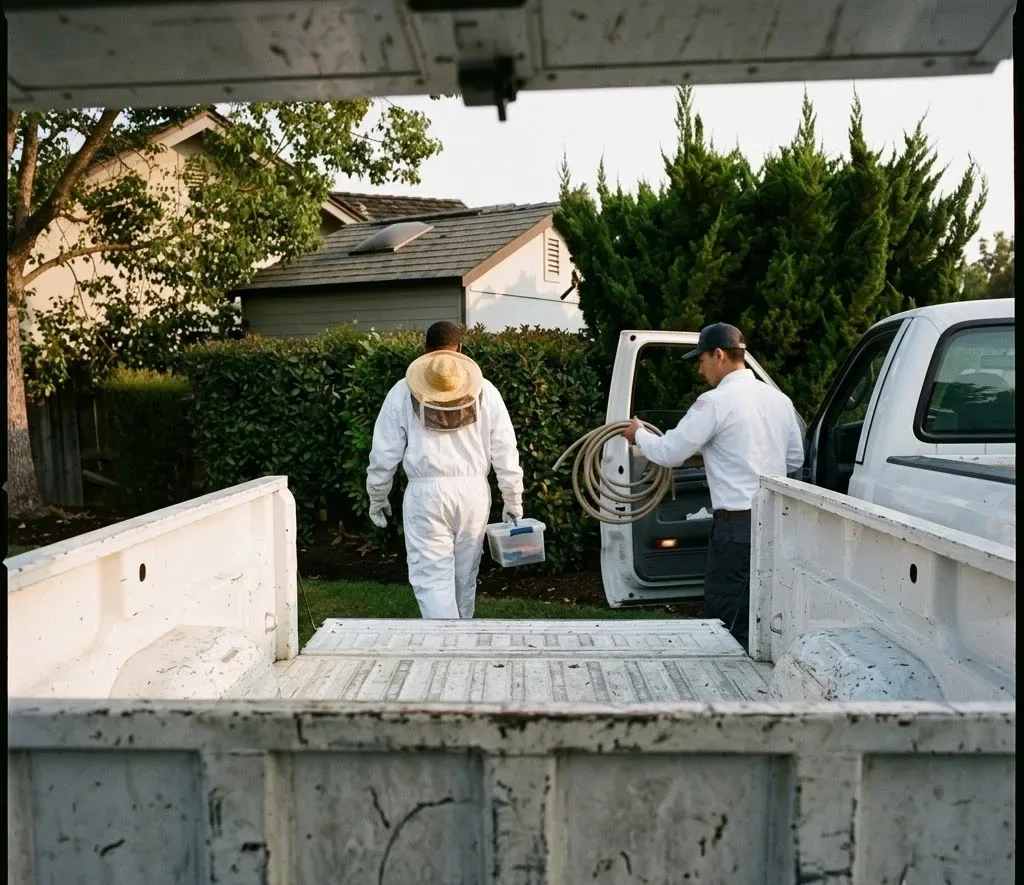
Reclaim your yard with barrier treatments that knock down mosquitoes and lone star ticks.
Learn about Mosquito and Tick Control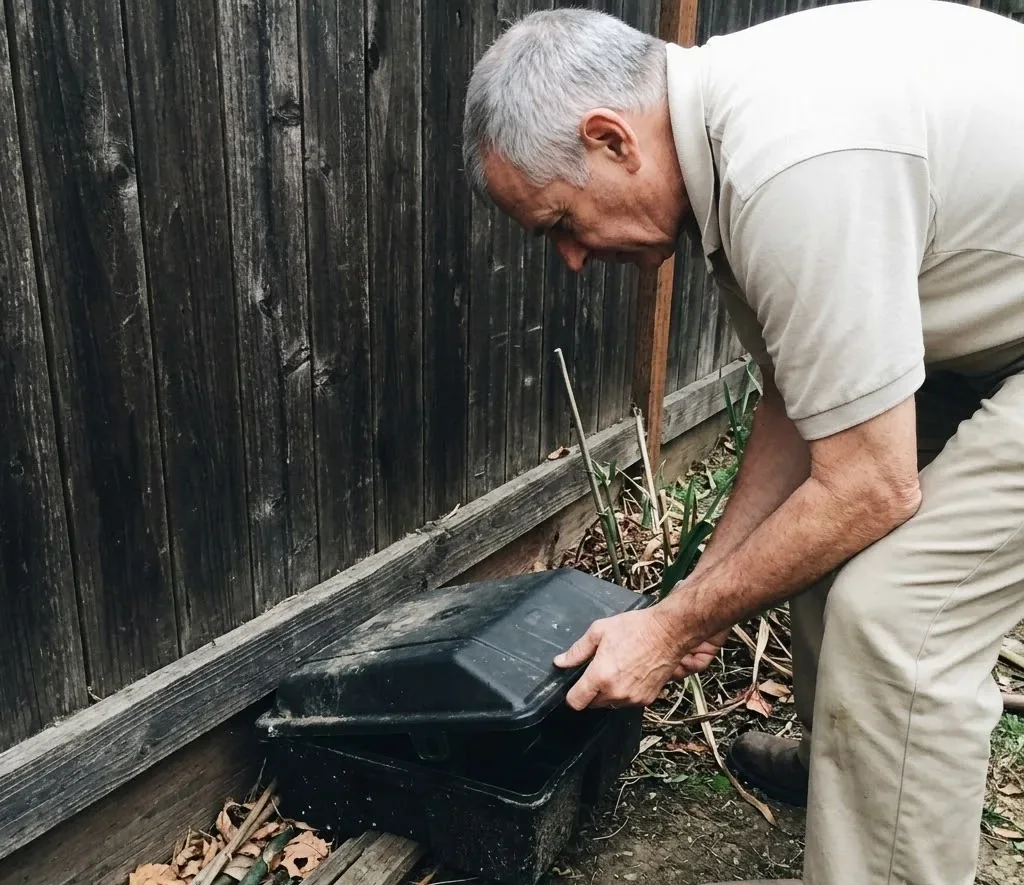
Humane wildlife removal compliant with SC DNR regulations. Squirrels, raccoons, armadillos, and more.
Learn about Wildlife Removal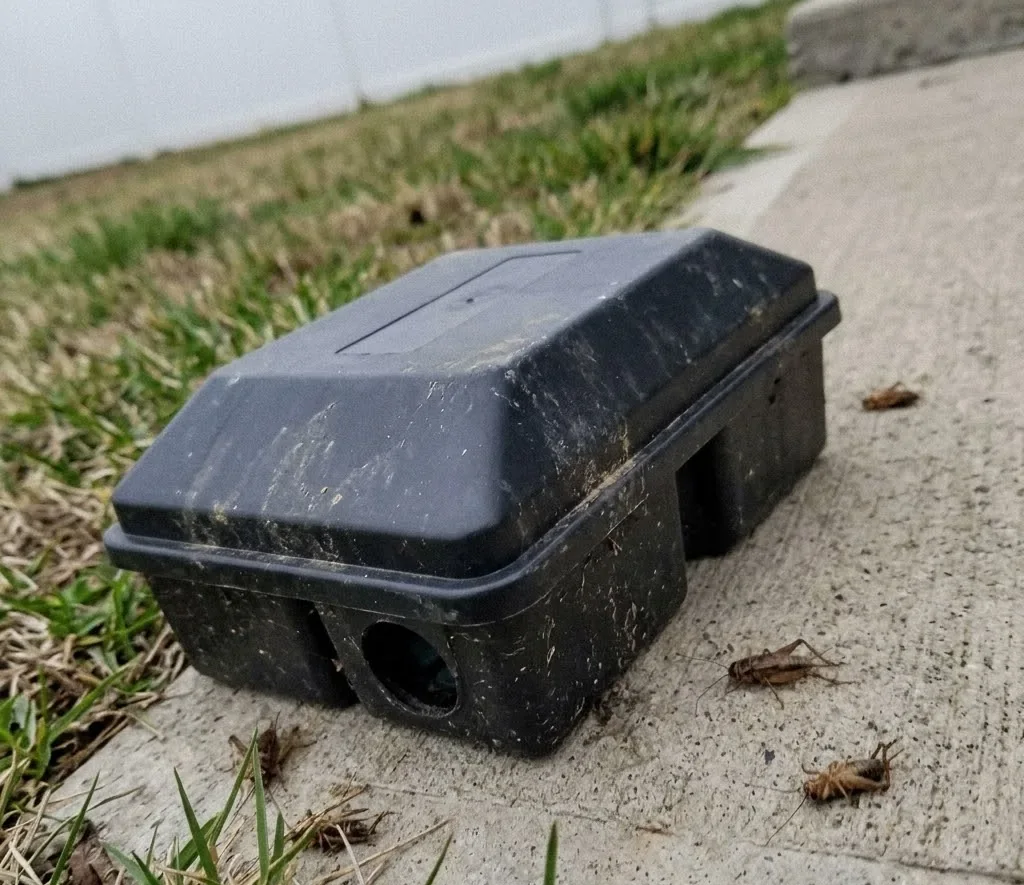
Fire ants, fleas, ticks, and outdoor pests controlled so your yard is usable again.
Learn about Yard and Lawn Pest Control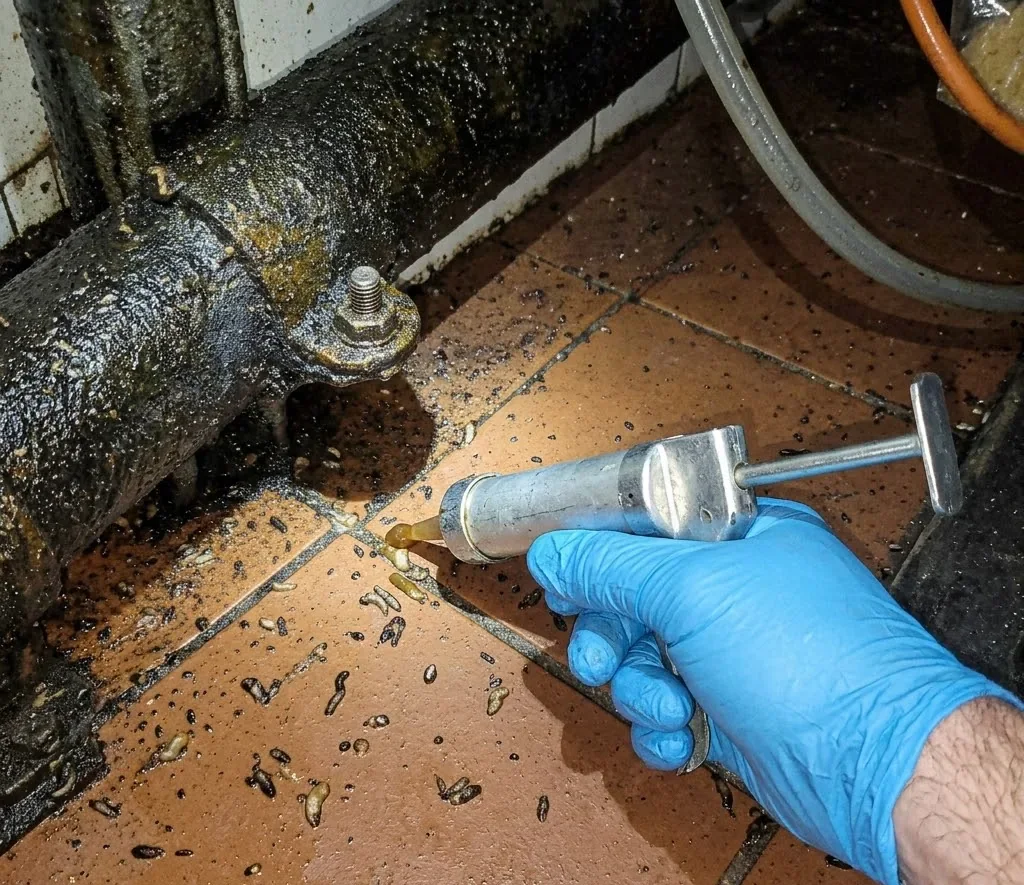
CL-100 inspections for real estate closings and annual termite protection against Formosan and Eastern subterranean termites.
Learn about Termite InspectionWest Ashley · Hanahan · Folly Beach · Park West · Snee Farm · Old Village · I'On · Awendaw
Not entirely, and it is worth being straight about that. Salt marsh mosquitoes breed in tidal wetlands that are public land and protected, and they travel. What property-level treatment does is two things: it reduces the ones breeding on your own lot, which are usually the Asian tiger mosquitoes that bite during the day, and a barrier treatment on vegetation lowers the resting population in your garden. It reduces biting significantly. It does not create a mosquito-free yard, and anyone promising that is overselling.
Raccoons and opossums most often, armadillos increasingly across Charleston County, gray squirrels wherever the canopy reaches a roof, and occasionally snakes moving along the marsh boundary. The work is exclusion rather than removal on its own — removing an animal from an attic without sealing how it got in simply creates a vacancy for the next one.
Yes. Subterranean termites reach slab construction through expansion joints, plumbing penetrations, and any point where soil contacts the structure — a slab is not a barrier. Formosan and Eastern subterranean termites are both present in this part of Charleston County. An active bond with annual inspection is the standard arrangement.
They cause real damage. Armadillos dig for grubs and earthworms and will turn over a lawn or a flower bed in a single night, and their burrows undermine driveways, patios and foundation edges. They have expanded steadily into the Lowcountry over the past two decades. Trapping and exclusion is the practical response; there is no effective repellent.
March through October, with the lone star tick the dominant species here — not the deer tick. Lone star tick bites carry a risk of STARI and alpha-gal syndrome, the red meat allergy. Yard treatment targeting the transition zone between mown turf and woodland or marsh edge is where it does the most good, since that boundary is where ticks concentrate.
Same day is realistic if you call early. Dunes West sits 8 miles from downtown Mount Pleasant, which is comfortably inside the routing. Genuine emergencies jump the queue regardless of the schedule.
Call for a free inspection and a straight recommendation. Dunes West and the surrounding Charleston County communities are covered, with same-day service for anything active.
Call (843) 868-3211