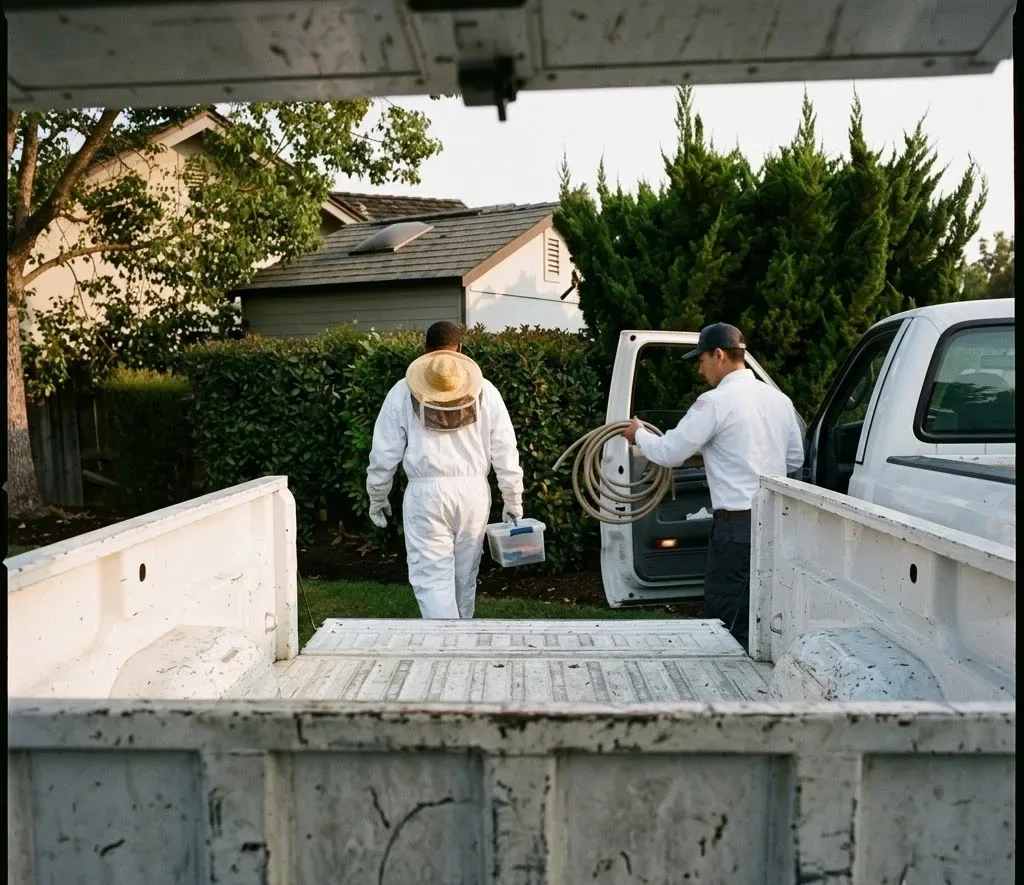
Mosquito and Tick Control
Reclaim your yard with barrier treatments that knock down mosquitoes and lone star ticks.
Learn about Mosquito and Tick ControlDense traditional-neighborhood layout around two lakes — shared-boundary pest pressure, mosquitoes, wasps on porches
I'On sits off Mathis Ferry Road, a traditional-neighborhood development built from the late 1990s around two lakes and a network of narrow streets, alleys and shared green space. The layout is what shapes the pest work here. Houses sit close together with small lots, so a problem in one property tends to become a problem for its neighbors — particularly with roof rats, German cockroaches in shared walls of attached units, and fire ants that simply cross a property line. The lakes and their planted edges hold mosquito activity through the warm months, and the deep porches and detached garages that give the neighborhood its character also give paper wasps and carpenter bees plenty of protected timber to work with.
The pests here are not random. These are the local conditions behind most of the calls that come in from I'On.
I'On is characterized by Late 1990s–2010s, slab and raised construction on small lots. On older stock the roofline matters as much as the foundation: worn soffit returns and lifted flashing let roof rats and squirrels into the attic long before anything is audible from the rooms below.
Sites near Westlake, Eastlake and Hobcaw Creek drain slowly, so foundation soil stays wet for weeks after heavy rain. That is when the calls come about ants trailing along a foundation wall, or a crawl space that has quietly filled with insects.
Inland neighborhood near tidal marsh — no freeze, long mosquito season, year-round ant and cockroach activity. Because the sequence repeats every year, the useful question is not what is active today but what is due next — and getting ahead of it is far cheaper than reacting.
With professional services, healthcare, education, hospitality nearby, a fair share of I'On calls come from premises rather than houses — and the reporting requirement usually shapes the schedule more than the pest does.
Working figures so you can plan. Nothing is charged until you have a written estimate for your own property.
| Service | Estimated cost |
|---|---|
| Mosquito and Tick Control | an estimated $69–$139 |
| General Pest Control | an estimated $99–$239 |
| Wasp Nest Removal | an estimated $99–$239 |
| Quarterly Pest Protection | an estimated $89–$139 |
The two neighborhood lakes and their planted edges hold mosquito activity through the warm months in the streets around them.
Club grounds with irrigated turf and water features next to residential lots — steady fire ant and mosquito pressure at the boundary.
The main road on the neighborhood's edge, running toward tidal marsh where salt marsh mosquitoes originate.
Reclaim your yard with barrier treatments that knock down mosquitoes and lone star ticks.
Learn about Mosquito and Tick Control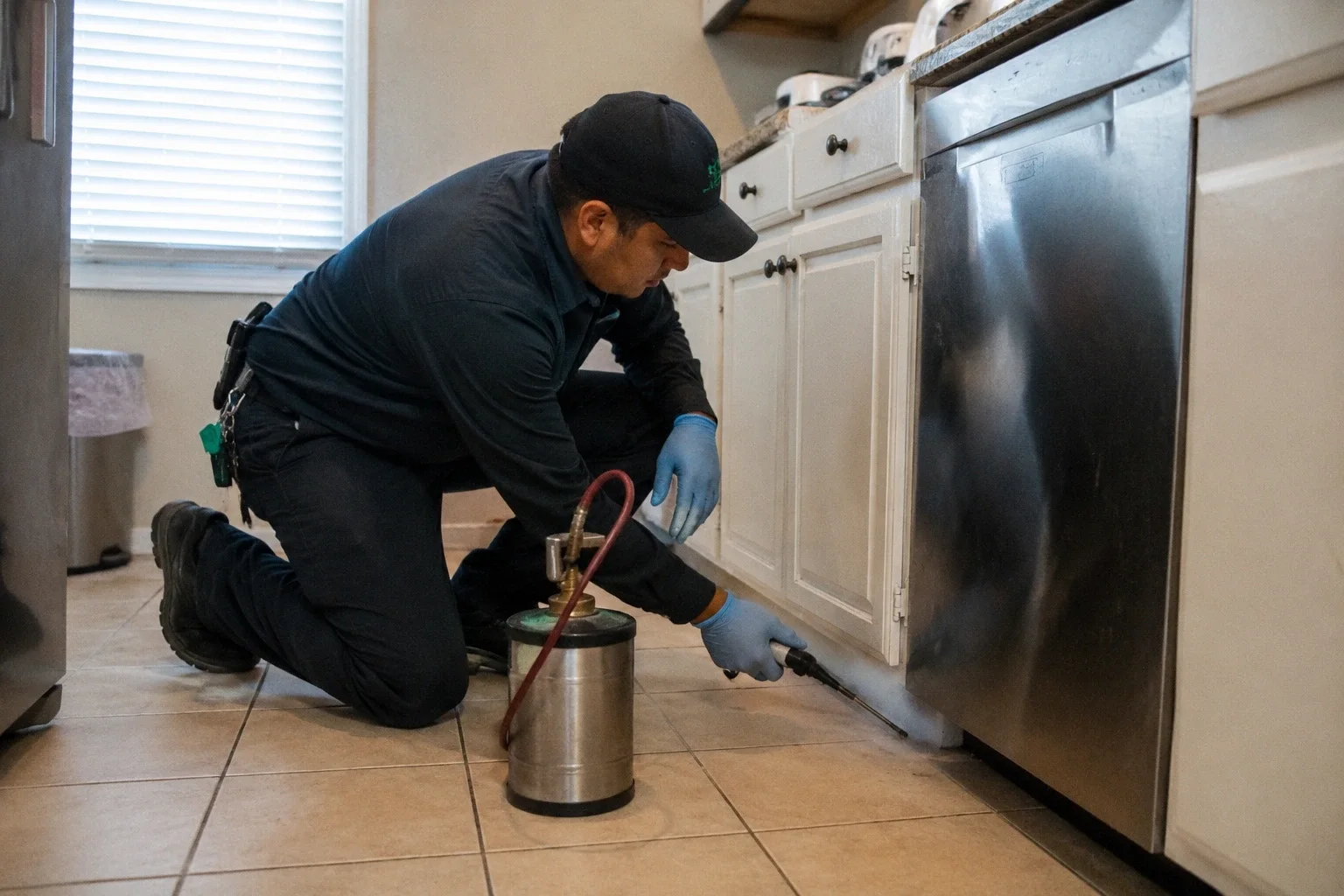
One plan that keeps palmetto bugs, ants, roaches, and common pests out of your home all year.
Learn about General Pest Control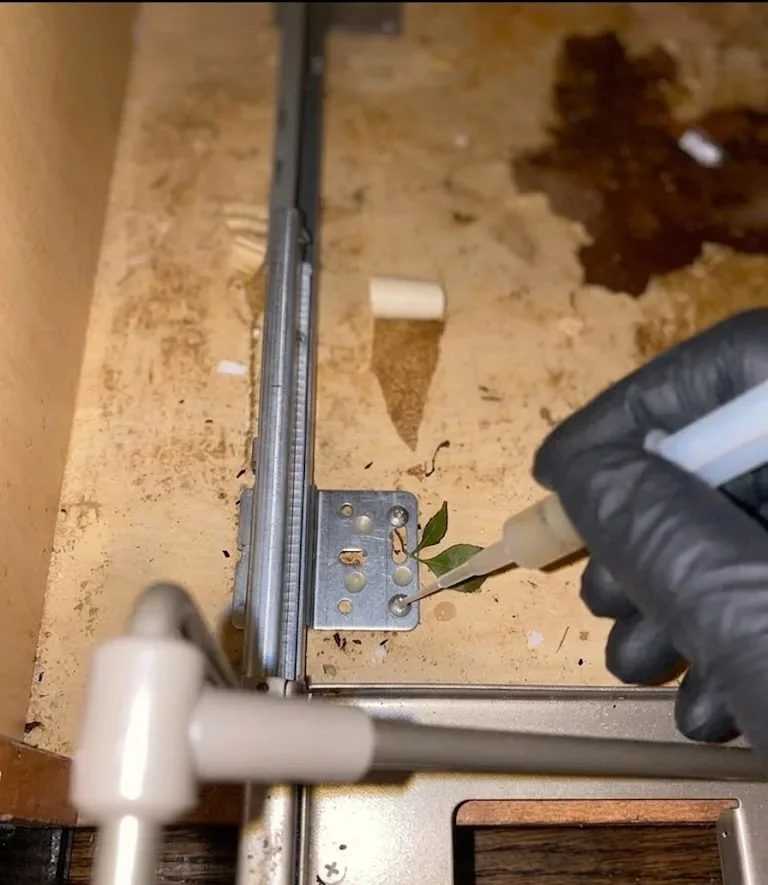
Paper wasps, yellowjackets, and hornets removed safely. Active from March through October.
Learn about Wasp Nest Removal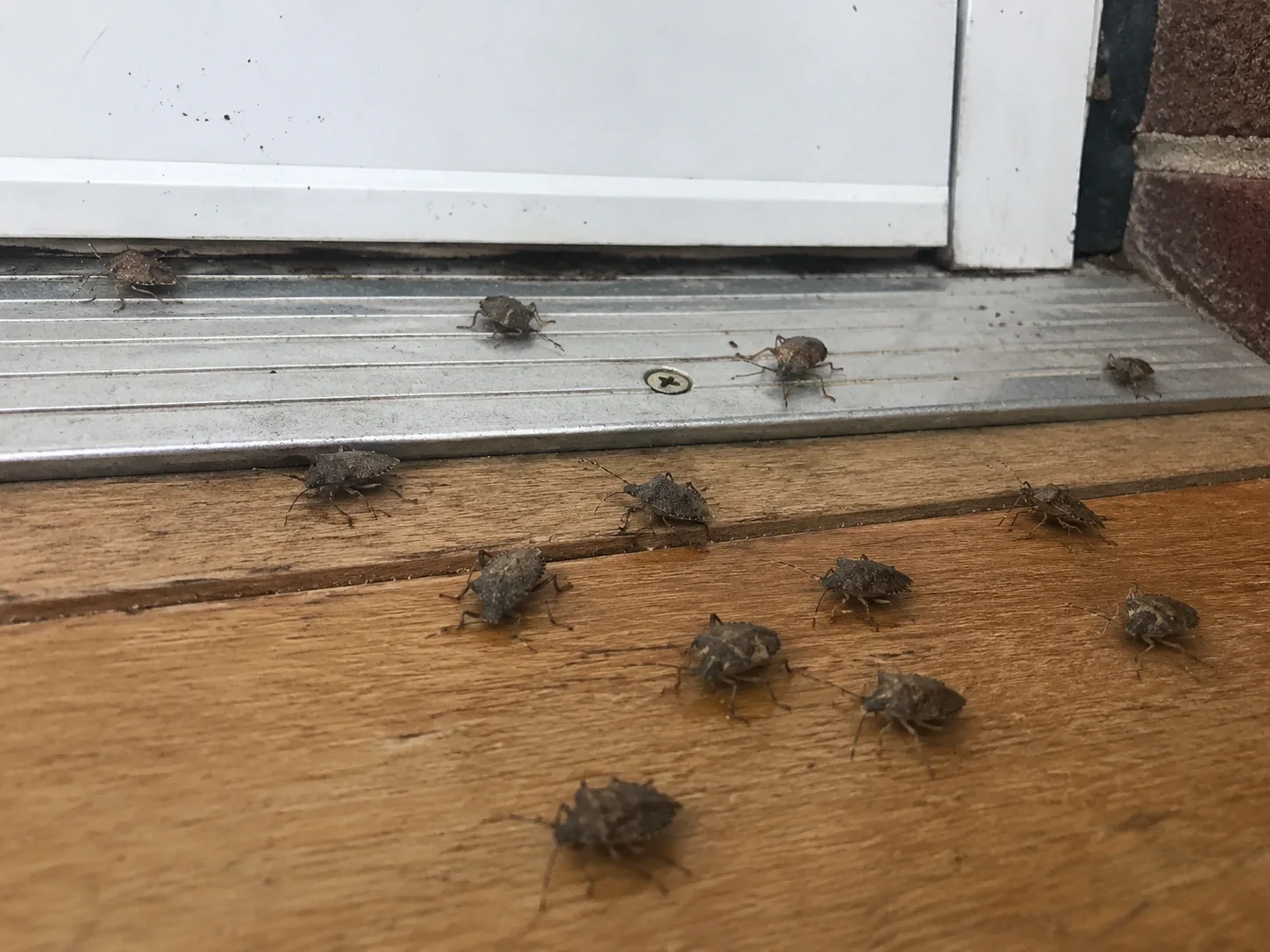
Four visits a year that stay ahead of the Lowcountry pest season.
Learn about Quarterly Pest ProtectionPartly, but less than people expect. Established lakes with fish and wind movement produce fewer mosquitoes than the small still water around a house. The bigger producers are planted lake edges, irrigation boxes, plant saucers and clogged gutters. Asian tiger mosquitoes stay within roughly a hundred yards of where they hatched, so what is on your own lot matters more than what is on the water.
With German cockroaches, yes — they move through shared voids, plumbing chases and utility penetrations, and treating one unit while the adjoining one goes untreated rarely holds. Where units are attached, coordinated treatment on both sides at the same time is what actually works. Palmetto bugs are different: those come in from outdoors and are handled at the exterior.
Deep covered porches, alley-facing garage eaves and shutter recesses give paper wasps exactly what they want — shelter from rain with an open approach. They also return to sites that worked before. Removing nests early in spring, before a colony is established, and treating the void or recess so a new queen does not restart there is far easier than dealing with a mature nest in August.
Not harder, but less durable, because reinvasion pressure from adjoining lots is constant. Broadcast bait across your own turf twice a year still works; you just accept that it needs repeating. Where several neighbors treat in the same season, results last noticeably longer.
Yes. Construction from the late 1990s onward was pre-treated at the slab, but that soil barrier degrades over roughly five to ten years. Eastern subterranean termites are in the soil throughout Charleston County. An annual inspection with an active bond is the standard arrangement here regardless of house age.
Same-day cover runs across I'On whenever there is capacity. Routine inspections book a few days out, and longer through the spring peak.
Call for a free inspection and a straight recommendation. I'On and the surrounding Charleston County communities are covered, with same-day service for anything active.
Call (843) 868-3211