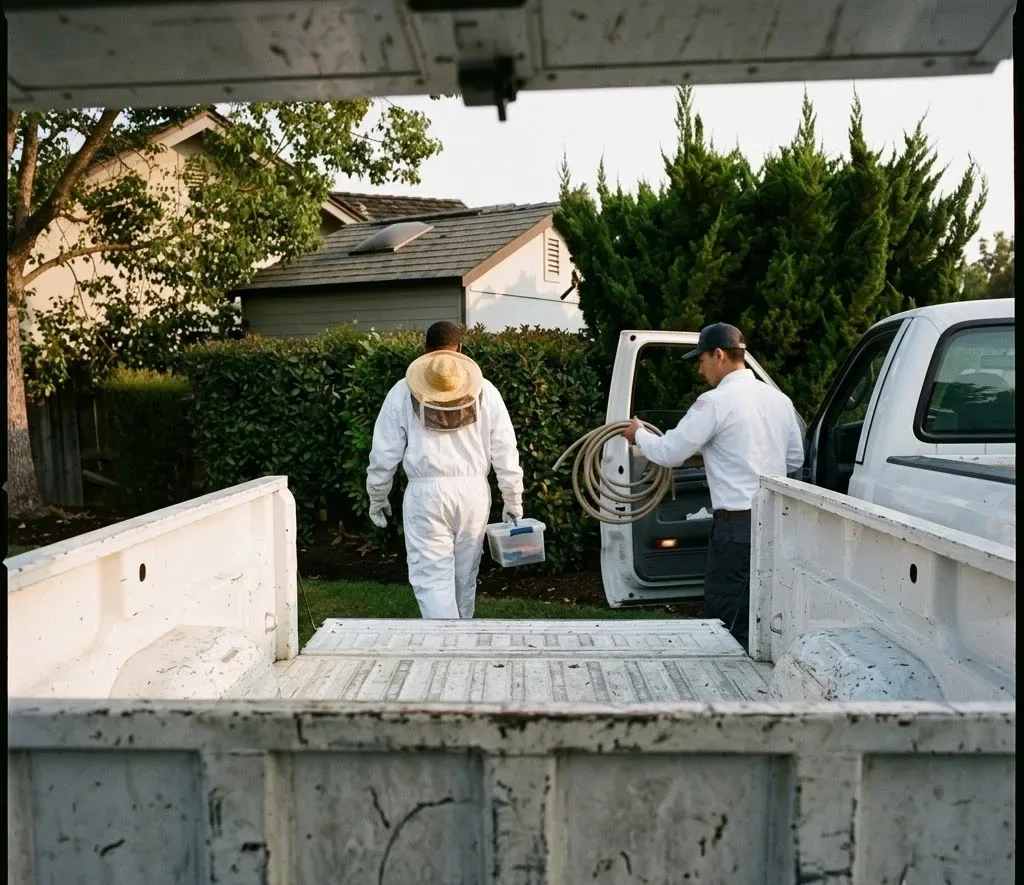
Mosquito and Tick Control
Reclaim your yard with barrier treatments that knock down mosquitoes and lone star ticks.
Learn about Mosquito and Tick ControlRural and semi-rural — wildlife encounters, intense marsh mosquitoes, fire ants in agricultural and residential land
Johns Island is the largest island on the East Coast by land area, stretching south and west of James Island with vast agricultural land, tidal marsh, maritime forest, and the Kiawah and Edisto rivers defining its borders. Residential development is concentrated along Maybank Highway and River Road. The rural character means wildlife encounters — armadillos in gardens, copperheads near wooded edges, raccoons, opossums — are more frequent than in suburban communities closer to Charleston. Mosquito pressure is intense near the extensive tidal marsh, and fire ants are active in every cultivated area.
Every town in this county has its own pattern. Here is what actually causes the problems on Johns Island properties.
Housing in Johns Island leans toward 1970s–present, with older rural homes and rapid new development near Kiawah. Anything built before modern sealing standards tends to have a chase running from the crawl space up through the wall cavities, and once a roof rat finds it the whole house is reachable.
The ground around Kiawah River, Stono River and Edisto River stays saturated well into the autumn. Moisture gets treated as part of the pest problem here rather than as a separate issue, because drying a crawl space out often does more than any product would on its own.
Large rural-to-suburban island — intense tidal marsh mosquito pressure, no coastal cooling effect inland, extensive wildlife habitat adjacent to residential areas. Prevention here runs twelve months because the pests do. What changes through the year is which one is loudest, not whether there is one.
Commercial work in Johns Island follows agriculture, construction, Kiawah Island resort support, local services. What those sites need is a service record as much as a service, because that is what an inspection asks to see.
Pricing does not change from town to town here. What changes is what the job turns out to involve.
| Service | Estimated cost |
|---|---|
| Mosquito and Tick Control | an estimated $69–$139 |
| Wildlife Removal | an estimated $189–$549 |
| Yard and Lawn Pest Control | an estimated $79–$169 |
| Termite Inspection | an estimated $449–$1400 |
A 400-year-old live oak in the center of Johns Island — the surrounding area is prime habitat for squirrels, armadillos, and carpenter bees in old wood.
Tidal river forming the southern boundary of Johns Island — extensive salt marsh along the river generates significant mosquito pressure for riverside properties.
The primary residential and commercial corridor — fire ants are active in every unmaintained lawn and roadside buffer along its length.
Reclaim your yard with barrier treatments that knock down mosquitoes and lone star ticks.
Learn about Mosquito and Tick Control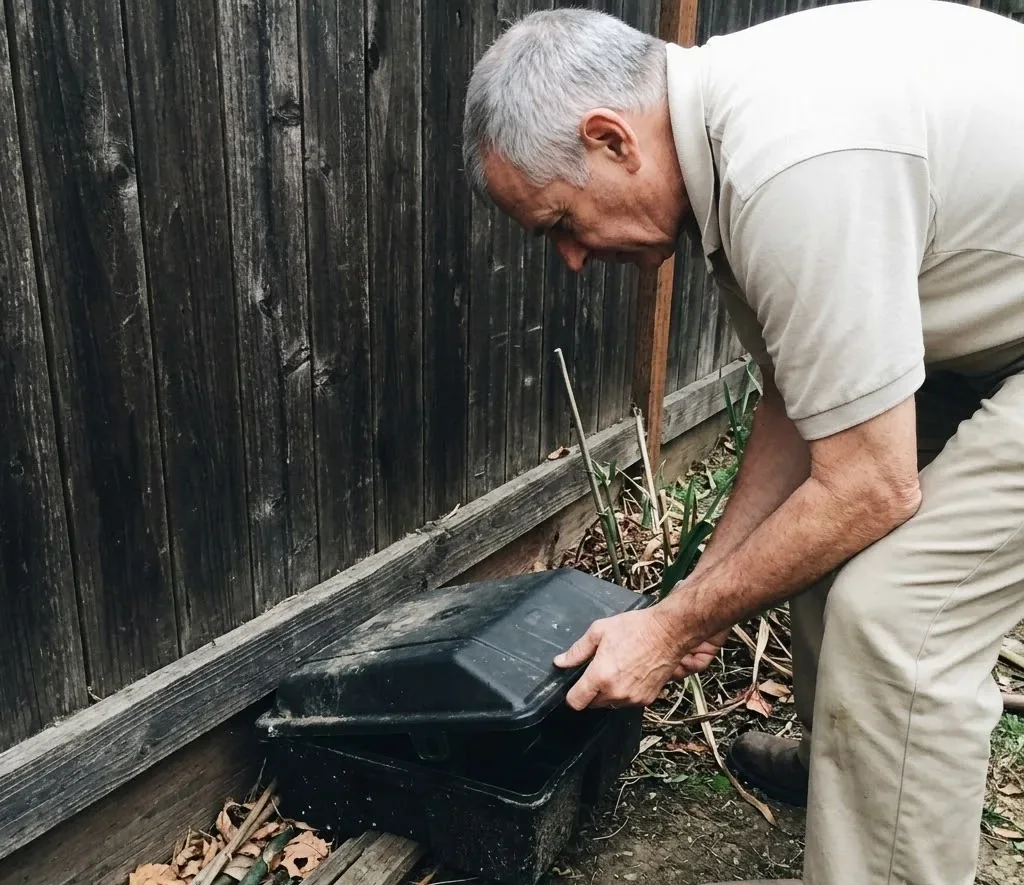
Humane wildlife removal compliant with SC DNR regulations. Squirrels, raccoons, armadillos, and more.
Learn about Wildlife Removal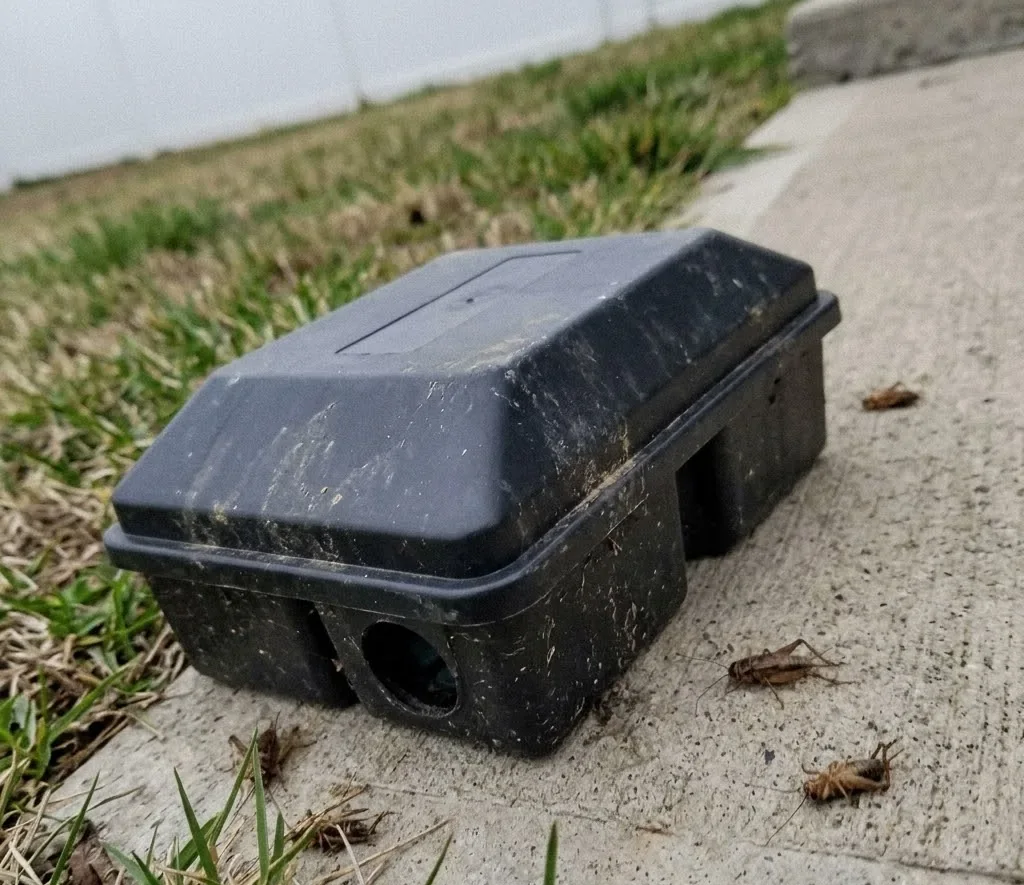
Fire ants, fleas, ticks, and outdoor pests controlled so your yard is usable again.
Learn about Yard and Lawn Pest Control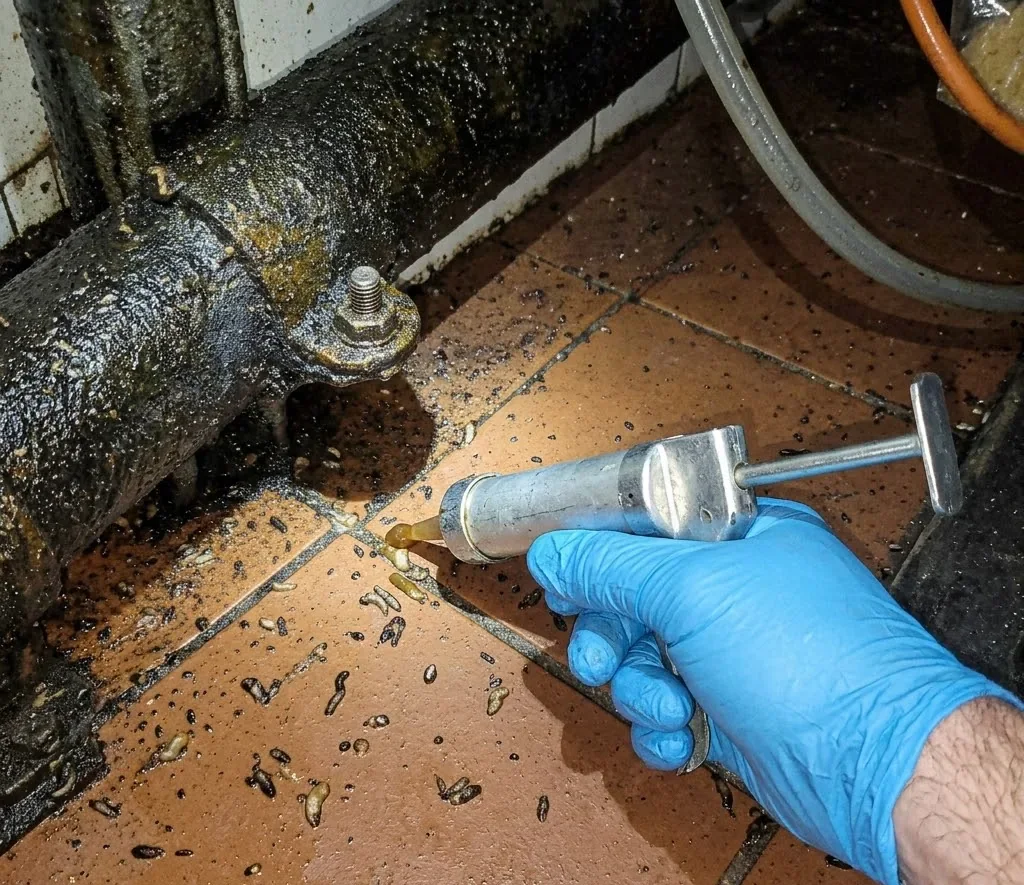
CL-100 inspections for real estate closings and annual termite protection against Formosan and Eastern subterranean termites.
Learn about Termite InspectionCharleston County Mosquito Control does conduct aerial and ground spraying in rural areas of Johns Island, particularly after tropical weather events. However coverage is not comprehensive for all residential areas. Property-level source reduction (eliminating standing water) and barrier spray are still important for managing mosquitoes on your own land.
Copperheads are present near wooded edges, brush piles, and the transition zone between lawn and forest — which describes most Johns Island residential properties. They are the most likely venomous snake to be encountered in a suburban or rural yard in coastal SC. Any unknown snake should be treated as potentially venomous until identified.
Armadillos are well-established on Johns Island and throughout the coastal SC rural corridor. They dig conical holes looking for grubs and earthworms — the holes are distinctive. Live trapping near active burrows is the most effective removal method. Repellents have weak scientific support.
Fire ant pressure is high throughout Johns Island's cultivated and transitional land. Disturbed soil, open sun, and agricultural activity all favor fire ant colonization. The two-step broadcast bait method is the most practical approach for large properties; individual mound treatment is used for active mounds near structures or livestock.
Both Formosan and Eastern subterranean termites are active on Johns Island. Older crawl space homes and any structure with wood-to-soil contact are at elevated risk. A CL-100 is required at most SC mortgage closings. Annual inspections are especially important for homes on larger wooded lots where inspection access may be limited.
Usually yes. Johns Island is 15 miles from Mount Pleasant, so a morning call generally gets a same-day slot. Anything unsafe or spreading fast — a sting reaction, an animal loose indoors, bed bugs moving between rooms — is treated as urgent whatever the day.
Call for a free inspection and a straight recommendation. Johns Island and the surrounding Charleston County communities are covered, with same-day service for anything active.
Call (843) 868-3211