Pest pressure in Mount Pleasant is not random. The same five conditions show up repeatedly in homes that have recurring problems, and almost all of them are addressable. Understanding what you are attracting, and why, is more useful than treating the pest after it arrives.
1. Moisture in the crawl space
An unconditioned or poorly ventilated crawl space in the Lowcountry holds humidity year-round. High moisture in sub-floor framing softens wood — making it available to carpenter ants and wood decay fungi — and creates ideal conditions for subterranean termite colonization. Annual moisture readings above 19% in crawl space framing are a structural risk. Encapsulation or mechanical ventilation, combined with a vapor barrier, addresses the root cause rather than treating the downstream pests.
2. Live oak and palm overhang
Live oak branches extending over or touching the roofline create a direct roof rat travel route. Palmettos adjacent to the structure do the same. Trimming canopy to maintain at least six feet of clearance from the roofline removes the primary travel route for roof rats and significantly reduces squirrel and raccoon access as well.
3. Standing water
Asian tiger mosquitoes breed in standing water as small as a bottle cap. Any container that holds water for more than a week near the house — flower pot trays, bird baths, clogged gutters, low spots in the lawn, AC condensate drain lines that pool at the foundation — is a production site within foraging range of the structure. Source reduction is more effective for Asian tiger mosquitoes than adulticide spraying because of their short flight range.
4. Gaps at the roofline and foundation
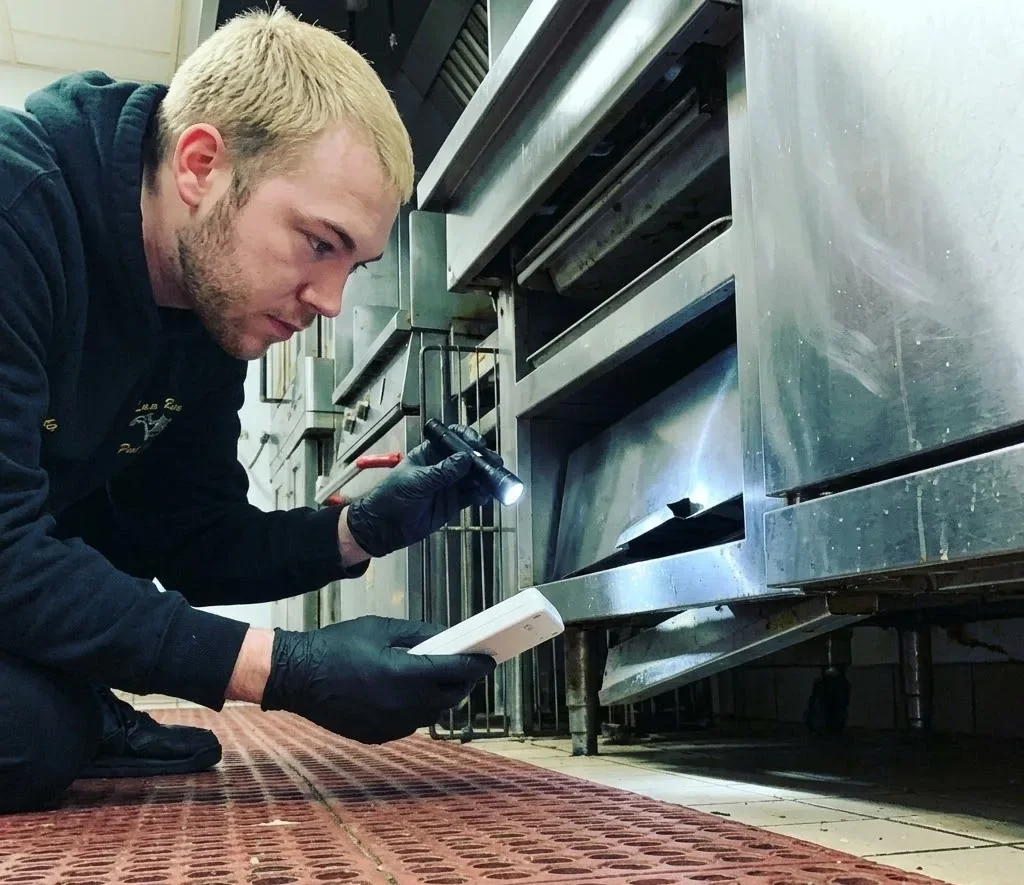
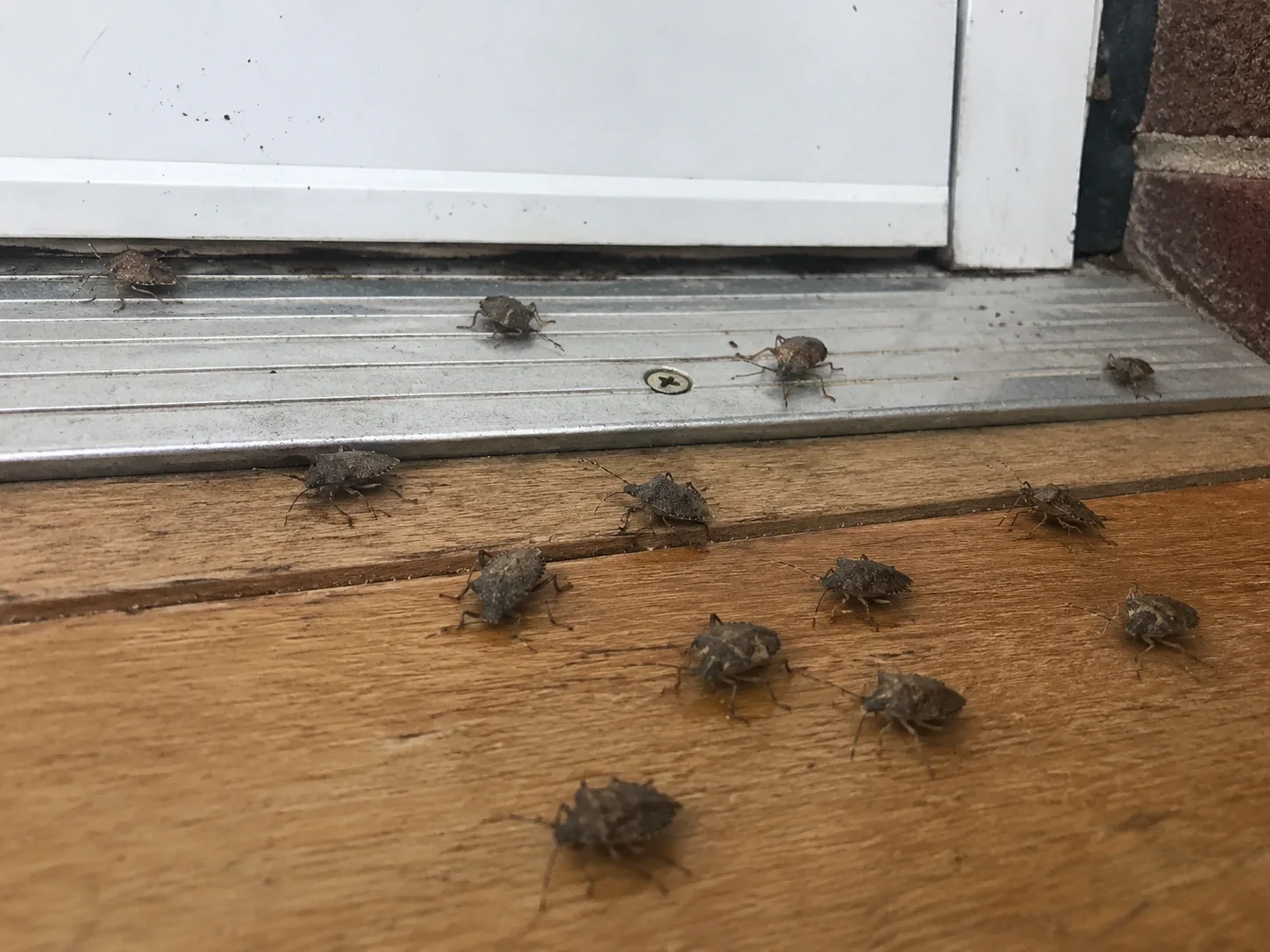
Roof rat entry is almost always at the roofline. Palmetto bug and ghost ant entry is usually at the foundation and around utility penetrations. A structure with intact soffit-fascia junctions, sealed utility penetrations, functional door sweeps, and fresh weatherstripping around garage doors presents significantly less opportunity than one with deferred maintenance. An annual exclusion inspection costs far less than the repeated treatments that skip it.
5. Outdoor lighting
White and yellow incandescent or fluorescent lights attract flying insects, which attract larger predators, and Formosan termite swarmers are strongly attracted to outdoor lights during swarming season in May and June. Converting exterior lighting to amber LEDs or motion-activated fixtures reduces the attractant load on the structure during the peak swarmer window.
Dealing with this in your home?
Free inspections and straight answers across Mount Pleasant and the surrounding Lowcountry. Call (843) 868-3211 and we will connect you with a licensed local pro.