Earwigs found in bathrooms, basements, or crawl spaces
Moisture-seeking insects entering from the exterior. Ground-level and foundation moisture is the primary driver.
Year-round; most active in warm months
Earwigs are brown insects with distinctive rear pincers that live outdoors in moist mulch, leaf litter, and under landscaping debris. They enter homes at ground level through gaps under doors and around foundation penetrations. Finding earwigs indoors is usually a sign of ground-level moisture against the foundation.
This is what tends to get noticed first around here.
Moisture-seeking insects entering from the exterior. Ground-level and foundation moisture is the primary driver.
Moist mulch directly against the foundation provides both harborage and a highway to entry points.
Lowcountry humidity and the widespread use of heavy mulch in landscaping beds provide ideal earwig habitat adjacent to foundations.
Crawl space moisture keeps the area below the living space perpetually attractive to moisture-seeking insects including earwigs, silverfish, and centipedes.
Common enough across Charleston County — Johns Island, West Ashley and Hanahan included.
Cockroach nymph. Earwigs have visible pincers that cockroach nymphs do not. Earwigs are flatter and more elongated. The pincers are the definitive identification.
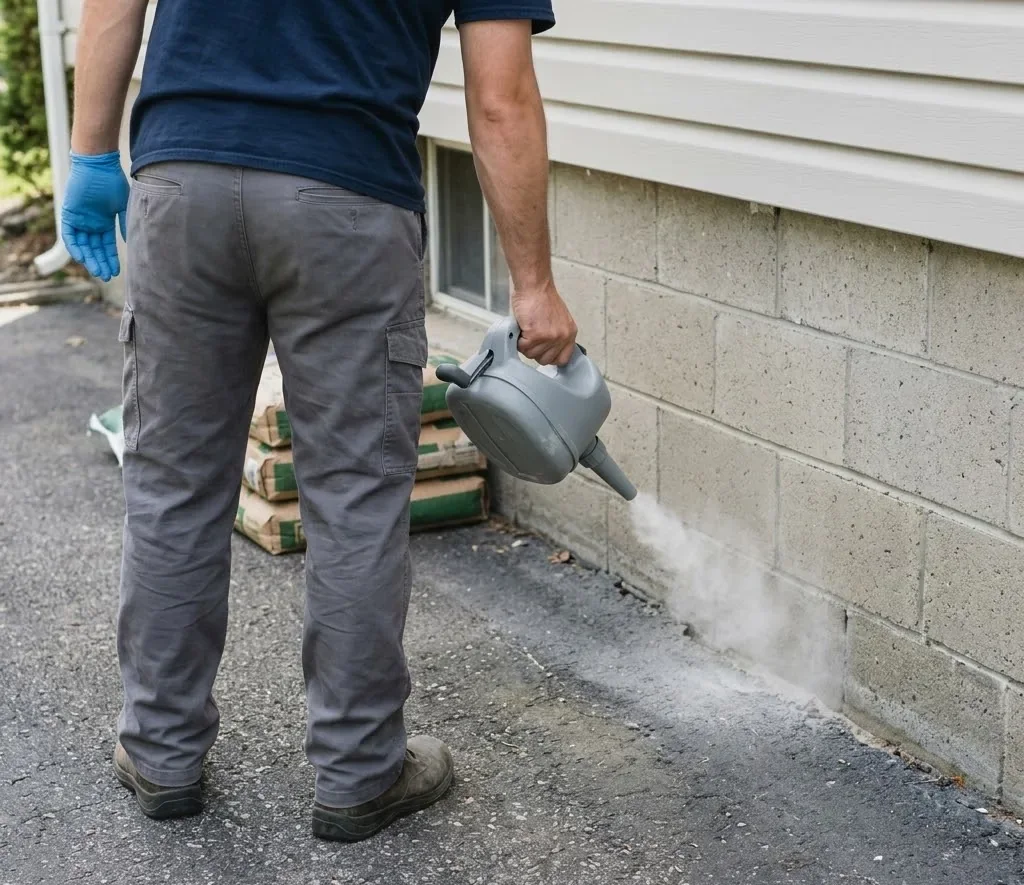
Perimeter residual treatment at ground level and around foundation entry points
Reduction of moisture-retaining mulch and leaf litter against the foundation
Crawl space moisture control
The honest split is simple: contained and caught early is a single visit; recurring outdoor pressure is a plan.
| Your situation | What normally fits |
|---|---|
| One nest, one room, caught quickly | A one-off |
| The same problem returning every season | Seasonal plan |
| Something living in the building | Treatment plus sealing work |
Pulling mulch back 6 inches from the foundation and fixing ground-level moisture issues reduces earwig pressure significantly. Perimeter spray handles the current population.
earwigs typically runs an estimated $99 to $239 around Mount Pleasant. The inspection costs nothing and the real number goes in writing before anyone starts. Estimated bands, and what pushes a job up or down them, are set out on the pricing guide, and the service that handles this is General Pest Control.
Most Widespread Termite in South Carolina. Eastern subterranean termites are the most widespread termite species in South Carolina and are present throughout Charleston County.
The Lowcountry Yard Pest That Stings Repeatedly. Red imported fire ants are present in virtually every yard in Mount Pleasant and throughout Charleston County.
Coastal Mosquitoes That Travel from Lowcountry Wetlands. Salt marsh mosquitoes breed in the vast coastal wetlands — tidal flats, pluff mud, and salt marsh grass — surrounding Mount Pleasant, Isle of Palms, and Sullivan Island.
Earwigs can pinch with their cerci if handled, but the pinch rarely breaks skin. They are not aggressive and do not seek to pinch people. The folklore about earwigs entering ears is a myth.
Moist, undisturbed mulch is ideal earwig habitat. The layer of mulch retains moisture and provides cover. Pulling mulch away from the foundation and turning it occasionally reduces earwig populations significantly.
Outdoors, earwigs are beneficial predators. In large numbers they can damage soft plant tissue and flowers, but their impact is usually minor.
A free inspection settles what it is and how far it has gone. Call and we will connect you with a licensed local pro.
Call (843) 868-3211