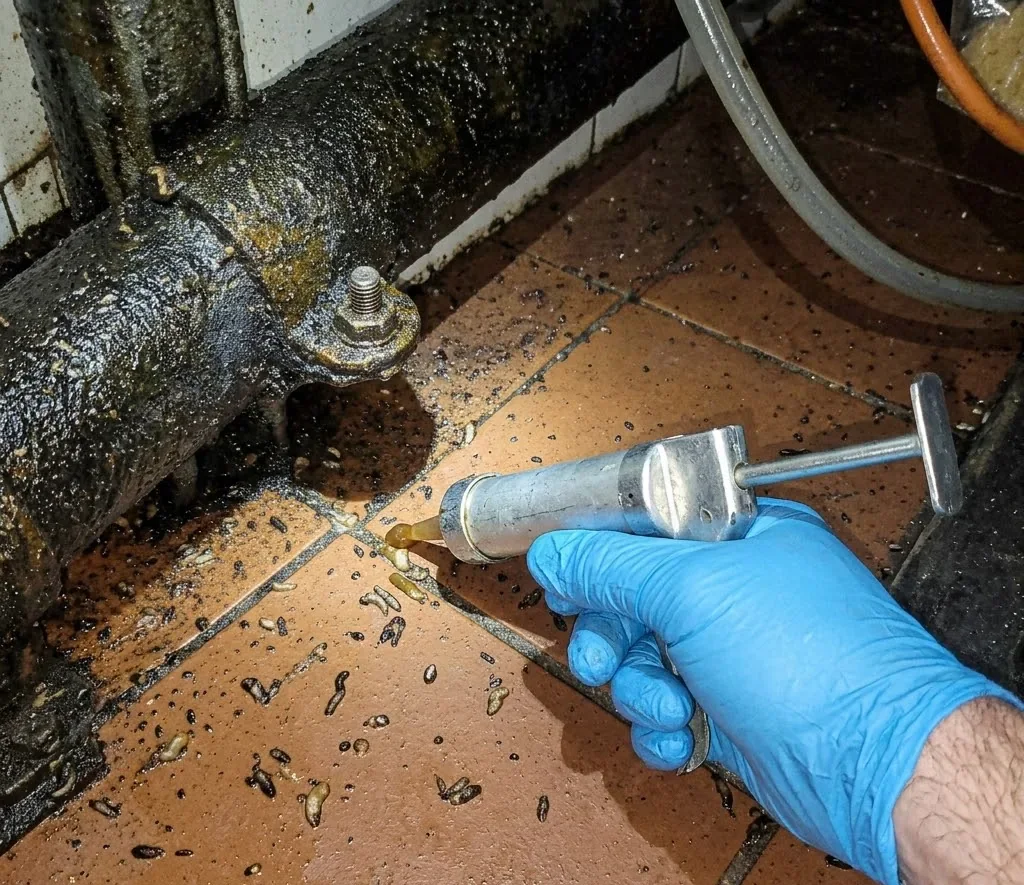
Termite Inspection
CL-100 inspections for real estate closings and annual termite protection against Formosan and Eastern subterranean termites.
Learn about Termite InspectionHistoric pre-war housing on the waterfront — Formosan termites, powderpost beetles, structural moisture
The Old Village is Mount Pleasant's historic waterfront district, running from Pitt Street down toward the harbor with housing stock that in places predates the Civil War and in most places predates the Second World War. Old heart pine and cypress framing, raised crawl spaces close to the water table, and a tidal marsh edge on two sides make this the most demanding part of town to treat. Formosan subterranean termites are the headline risk — Charleston is where they first established in the United States — but powderpost beetles in old floor joists and wood-decay fungi in damp crawl spaces are close behind. Palmetto bugs come with the territory: they live outdoors in the mulch, palmetto trees and storm drains and come in through the gaps an old house always has.
Every town in this county has its own pattern. Here is what actually causes the problems on Old Village properties.
Most of Old Village is 1840s–1940s, raised crawl space with original heart pine framing. Framing settles over decades, sill plates pull away from piers, and utility penetrations open up — none of it visible from the street, all of it usable by something looking for a way in.
Proximity to Charleston Harbor, Shem Creek and Cooper River means the outside of the building takes more punishment. Salt air, swollen trim and failed caulk open up entry routes, so sealing work matters more here than in the drier inland parts of the county.
Waterfront historic district — salt air, high water table, no freeze, sustained termite and moisture pressure year-round. Prevention here runs twelve months because the pests do. What changes through the year is which one is loudest, not whether there is one.
Because hospitality and restaurants, marine trades, professional services, tourism employ locally, premises work is a steady part of what gets covered in Old Village — scheduled around trading hours and documented for SC DHEC.
These are the bands quoted most often around Old Village, before the inspection turns them into a real number.
| Service | Estimated cost |
|---|---|
| Termite Inspection | an estimated $449–$1400 |
| Crawl Space Treatments | an estimated $279–$850 |
| General Pest Control | an estimated $99–$239 |
| Attic Pest Control | an estimated $229–$750 |
The old causeway park at the end of Pitt Street sits in tidal marsh — a salt marsh mosquito source for the surrounding streets.
Working creek with restaurants and boatyards on its banks; the food service corridor sees steady German cockroach and rodent pressure.
Waterfront hall and park on the harbor edge, with marsh frontage that keeps mosquito activity high in the adjacent blocks.
CL-100 inspections for real estate closings and annual termite protection against Formosan and Eastern subterranean termites.
Learn about Termite Inspection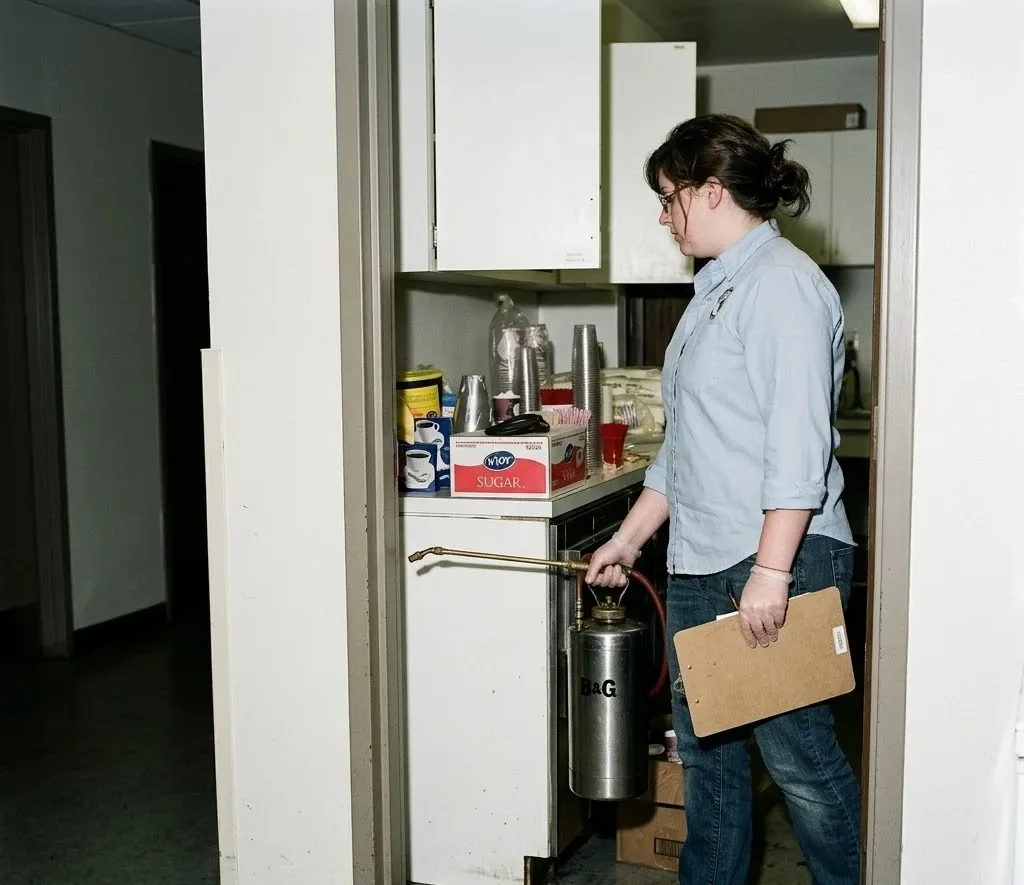
Moisture barriers, termite pretreatment, and pest control for Lowcountry crawl space homes.
Learn about Crawl Space Treatments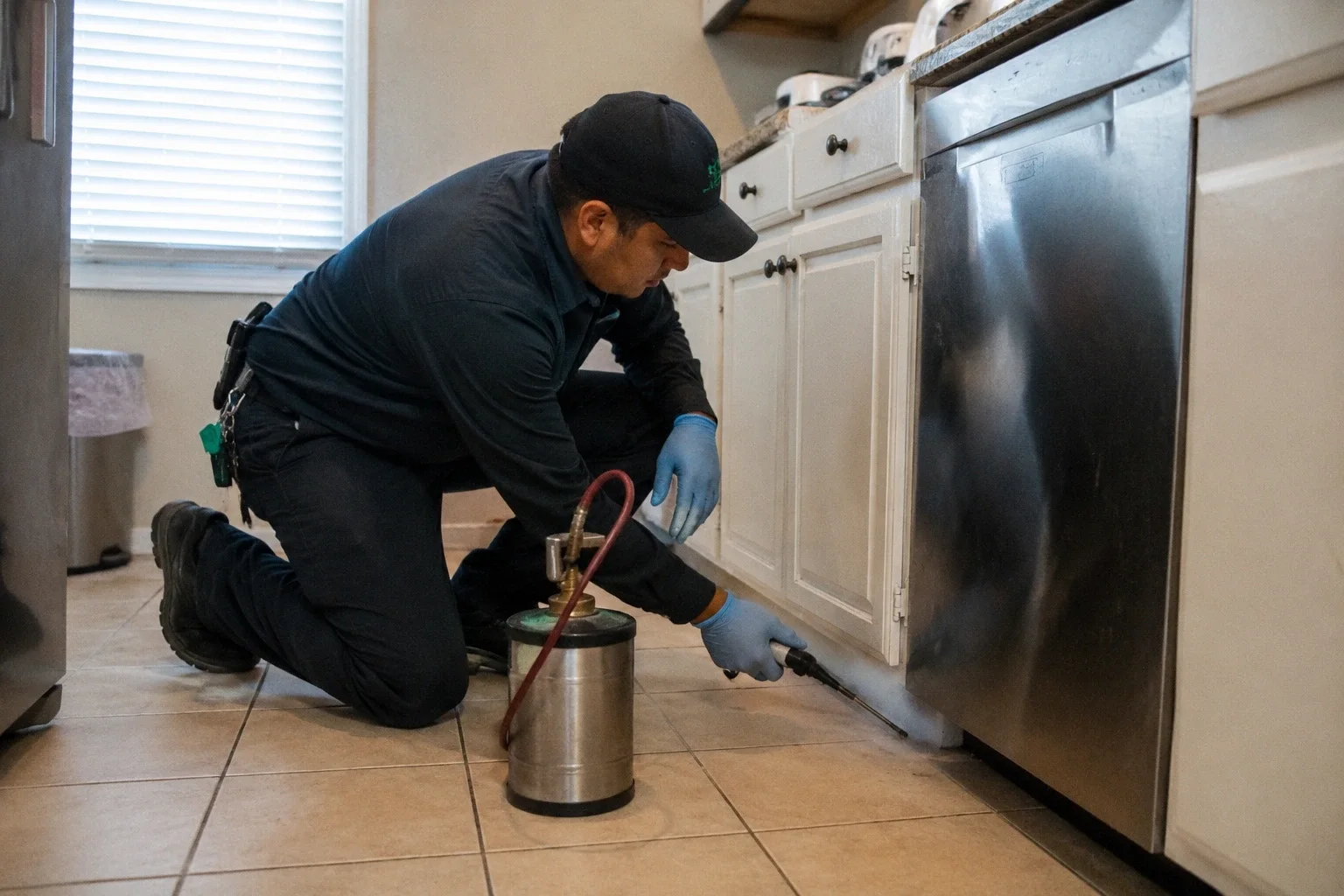
One plan that keeps palmetto bugs, ants, roaches, and common pests out of your home all year.
Learn about General Pest Control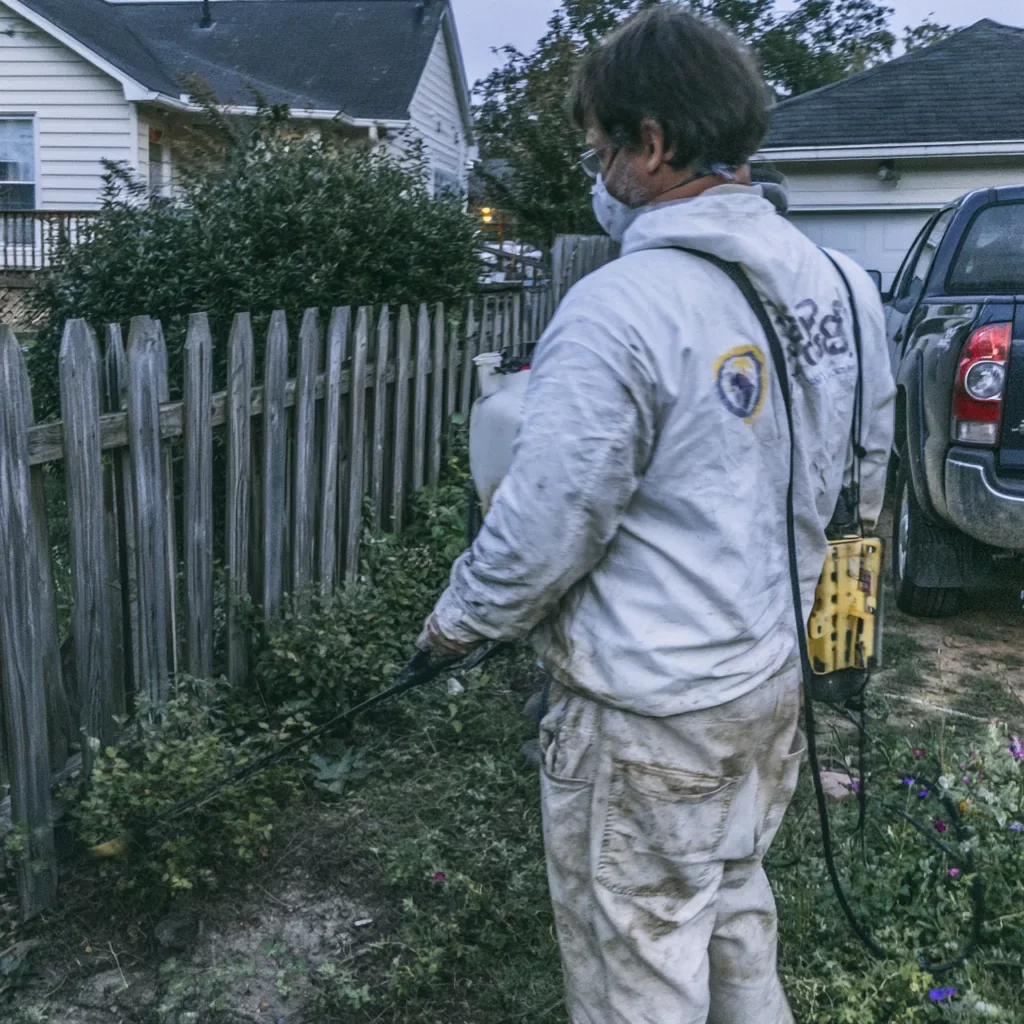
Roof rats, gray squirrels, and bats removed from attics. Exclusion keeps them out.
Learn about Attic Pest ControlIt is the highest in the region. The Charleston peninsula and the older waterfront neighborhoods around it are the longest-established Formosan territory in the country. A Formosan colony can number in the millions where a native subterranean colony numbers in the hundreds of thousands, and it can build a carton nest inside a wall and survive without soil contact. On a pre-war house with original framing, continuous active coverage is the sensible position, not an optional extra.
They are wood-boring beetles that attack the sapwood of hardwoods and old softwood framing. The tell is very small round exit holes, roughly the diameter of a pin, with fine flour-like frass beneath them. They are found in old floor joists, subfloor and hardwood flooring far more often than in new construction, which makes the Old Village their natural habitat. A CL-100 inspection covers them specifically.
Because they are not coming from inside. The American cockroach — what everyone here calls a palmetto bug — lives outdoors in mulch beds, palmetto boots, tree hollows and storm drains, and comes inside through gaps around plumbing penetrations, crawl space vents, weep holes and door sweeps. Cleanliness affects German cockroaches, which are a genuinely indoor pest. It does very little to palmetto bugs. Exterior perimeter work and sealing entry points is what reduces them.
Where groundwater intrudes on spring tides, encapsulation alone is not the answer — water needs somewhere to go before a liner is worth installing. That usually means a sump and a drainage path first, then a heavy liner run up the foundation walls, then a dehumidifier sized to hold the space below 55 percent relative humidity. It is a bigger job than a standard encapsulation and it should be scoped by someone who has done it on a waterfront house here.
It should not, and that is a fair question to ask before work starts. Modern termite work in a historic house is mostly exterior trenching and, where needed, targeted foam or borate application into voids rather than anything applied to finished surfaces. Ask the operator to walk you through where every application point will be before they begin.
Usually yes. Old Village is 1 mile from downtown Mount Pleasant, so a morning call generally gets a same-day slot. Anything unsafe or spreading fast — a sting reaction, an animal loose indoors, bed bugs moving between rooms — is treated as urgent whatever the day.
Call for a free inspection and a straight recommendation. Old Village and the surrounding Charleston County communities are covered, with same-day service for anything active.
Call (843) 868-3211