Trapping removes the rodents that are inside your structure right now. Exclusion prevents the next generation from entering. Without exclusion, a successfully trapped attic is simply an available vacancy. In coastal South Carolina, where roof rat populations are large and continuous, re-invasion happens within weeks if entry points remain open.
Attic entry points
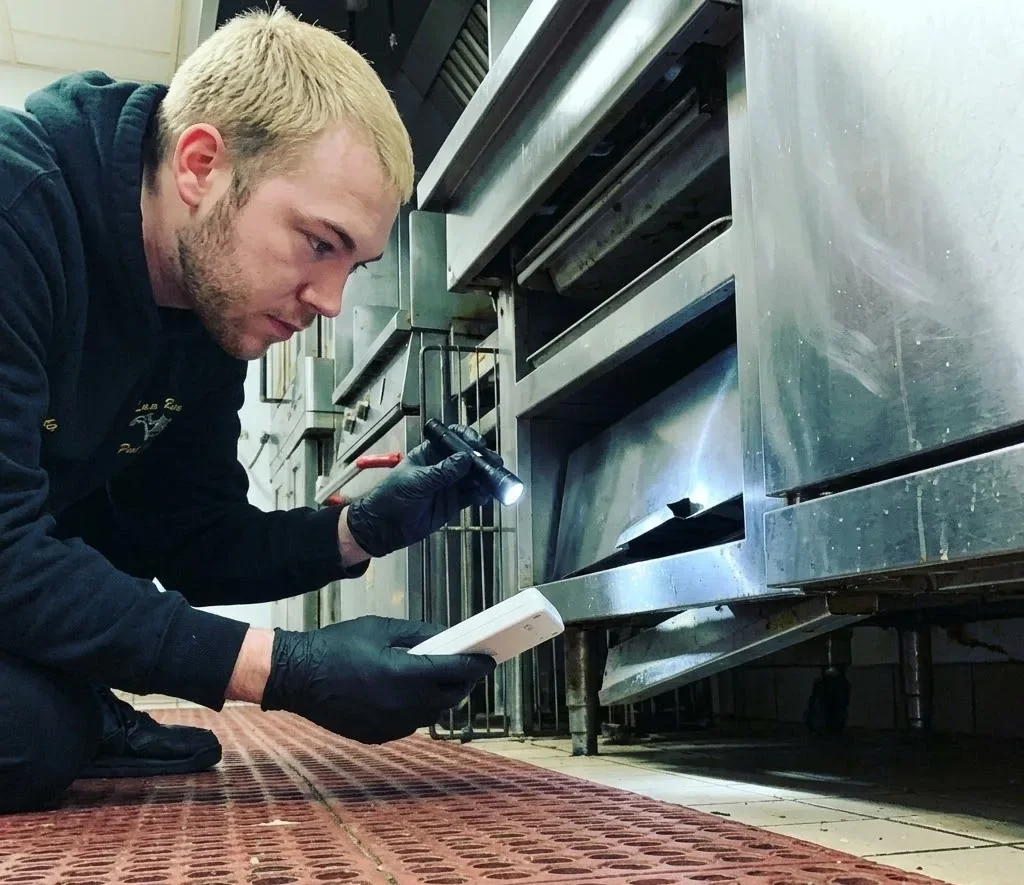
Start at the roofline. Walk the exterior perimeter with a flashlight and inspect: the soffit-fascia junction for warped wood creating gaps; roof vent covers for rusted or missing mesh; gable vents for torn or gap-edged screens; the intersection of the chimney and roofline for open mortar joints; and every utility penetration — HVAC line sets, cable, plumbing stacks — where the conduit enters the roofline or upper wall. Any opening larger than half an inch allows roof rat entry.
Crawl space entry points
Crawl space rodent entry is almost always through foundation vents with missing or deteriorated screens, gaps around plumbing penetrations through the foundation wall, or open pipe chases connecting the crawl space to the wall cavity above. Foundation vents require hardware cloth with openings no larger than a quarter inch — standard aluminum insect screen is not sufficient to exclude rodents. Gaps around pipe penetrations should be packed with copper mesh and sealed with expanding foam or appropriate caulk.
What to use for sealing
Hardware cloth (steel mesh) for vent screens and large structural gaps. Copper mesh stuffed into irregular gaps before caulking — rats and mice cannot gnaw through copper mesh the way they chew through foam alone. Expanding foam is a quick plug but should be used over mesh, not as the sole barrier on an actively used entry point. Sheet metal flashing for gaps at the soffit-fascia junction where wood has warped. Gnaw-resistant door sweeps for garage side doors and utility room entries.
When to call a professional
Exclusion work in the attic near the roofline is physically demanding, requires working in confined spaces near wasp nests and accumulated droppings (a respiratory hazard without a P100 respirator), and requires correctly identifying every entry point before sealing — an incomplete seal that traps animals inside the structure creates a different problem. A professional exclusion inspection identifies all entry points in one visit and uses appropriate materials for each.
Dealing with this in your home?
Free inspections and straight answers across Mount Pleasant and the surrounding Lowcountry. Call (843) 868-3211 and we will connect you with a licensed local pro.