The most common mistake homeowners make after a first rodent sighting is treating it as an isolated event — placing one trap, finding nothing in it after a week, and concluding the animal left on its own. In coastal South Carolina, that reasoning is almost always wrong.
The biology of why one means more
Rodents are nocturnal, cryptic, and strongly averse to new objects in their environment — a property called neophobia. A rat or mouse that has been in your structure long enough to enter the living space and be seen has been present long enough to become comfortable, which means it has been there for weeks, not days. By the time a single rat is visible in a kitchen, the colony it came from has been established in the attic or wall void for significantly longer.
Breeding timelines confirm the math. A female house mouse produces litters of 6-8 pups every 19-21 days, reaching reproductive age in about six weeks. A pair that entered in early fall becomes dozens by December without intervention.
Roof rats vs house mice: the coastal SC distinction
In Mount Pleasant, the first question after a sighting is which species. Roof rats are the more likely culprit in any home with a mature canopy nearby — they operate overhead, in the attic and above the ceiling, and are rarely seen on the floor unless the attic population is large. A sighting on a kitchen counter at night is more likely a house mouse; scratching above the ceiling with a brief sighting near the top of a wall is more likely a roof rat.
The species distinction changes where you inspect for entry points and where you set traps. Roof rat control that focuses on floor-level sticky traps misses the population entirely.
The right response to a first sighting
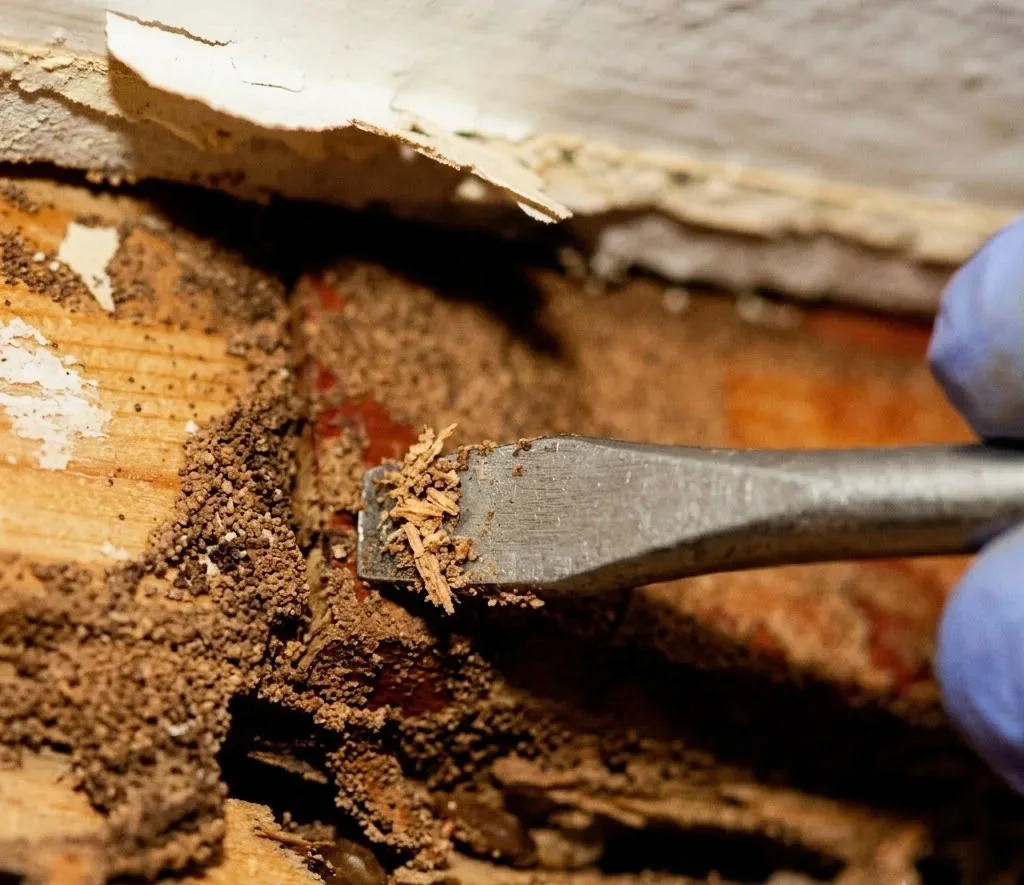
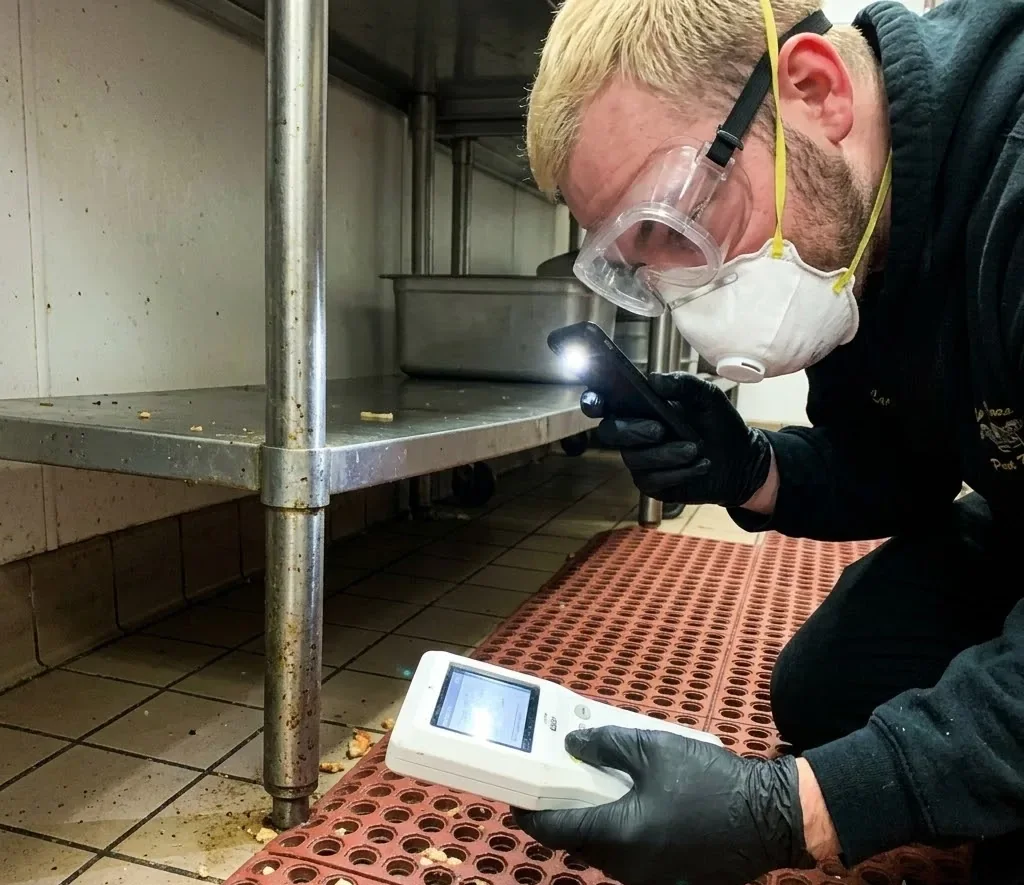
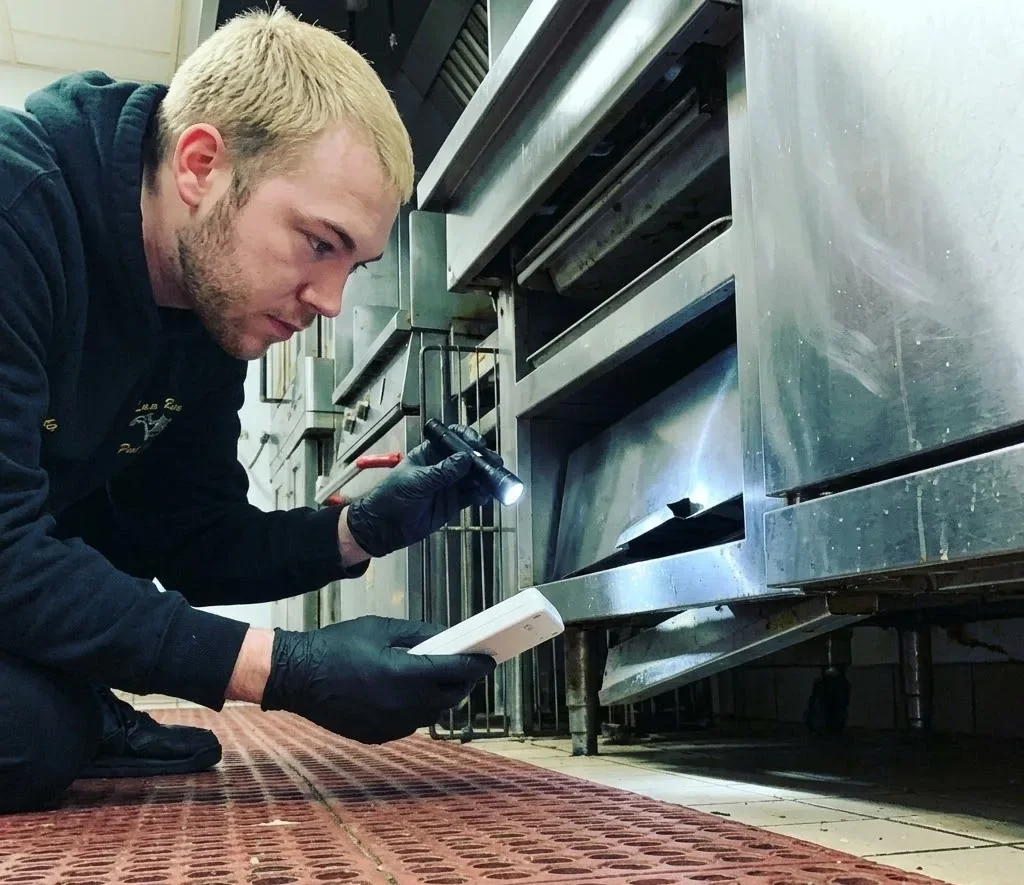
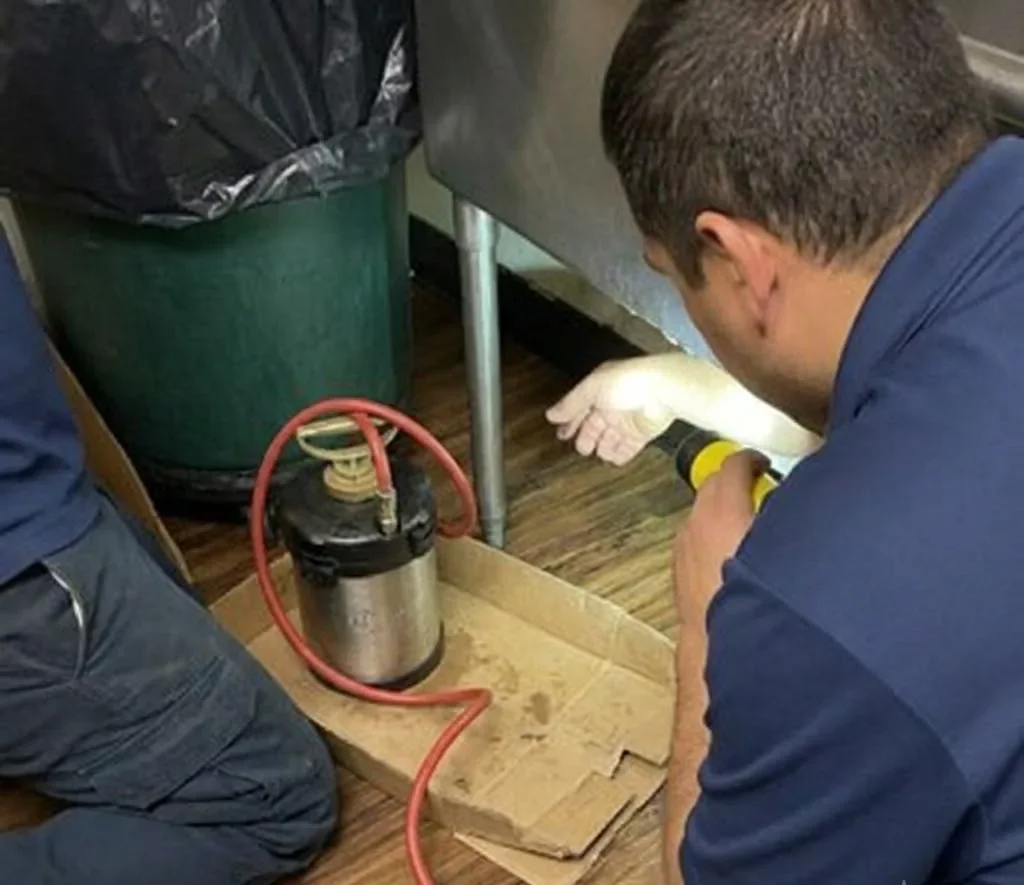
A single trap in the area where the sighting occurred will catch the animal if it travels that route. But that is not the response — that is a band-aid. The response is an exclusion inspection: identifying every entry point larger than a quarter inch at the roofline (roof rats) and foundation (house mice), confirming whether signs of an established population (droppings, grease marks, gnawed material) exist in the attic or crawl space, and sealing every entry point before or alongside trapping. Without exclusion, the next animal enters through the same opening within weeks.
Dealing with this in your home?
Free inspections and straight answers across Mount Pleasant and the surrounding Lowcountry. Call (843) 868-3211 and we will connect you with a licensed local pro.