Pest behavior in coastal South Carolina is closely tied to weather patterns — not just the seasonal cycle, but individual weather events. Understanding how specific conditions drive pest movement helps Mount Pleasant homeowners anticipate problems rather than respond to them.
After heavy rain or a tropical system
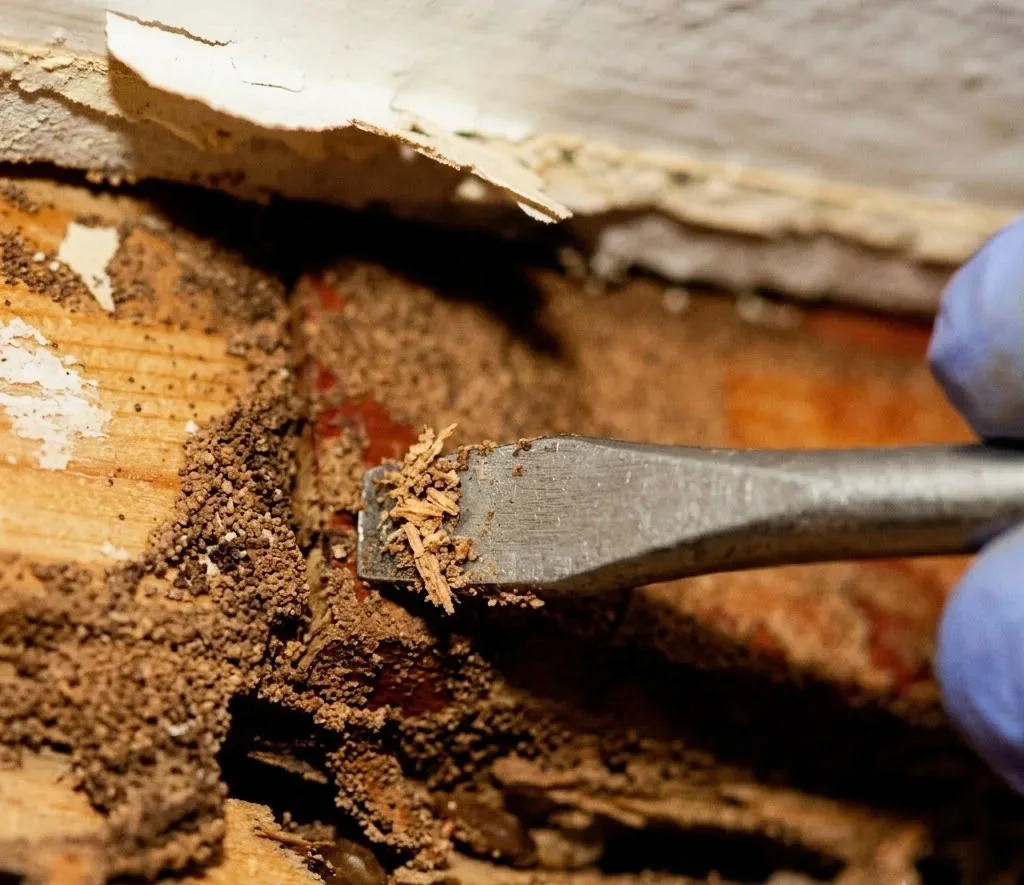
Heavy rain flushes fire ant colonies out of saturated soil, triggering relocations and causing new mounds to appear across a lawn within days of a storm. Subterranean termites increase swarmer production in the period following rain that breaks a dry spell. Roof rats and house mice move toward structures when their ground-level harborage floods. The week after a tropical storm event is reliably the week with the highest call volume for fire ant and rodent activity.
During drought
Extended dry periods push moisture-seeking pests into structures. Palmetto bugs and German cockroaches move toward interior water sources — under sinks, around dishwasher lines, at condensate drip points. Subterranean termites forage deeper and more aggressively from moist soil toward dry wood. Ghost ant trails inside structures during drought are pursuing water, not food, and respond differently to bait strategies than food-trail invasions.
The mild winter effect
South Carolina winters do not reset the pest population. German cockroaches, ghost ants, and subterranean termites remain active in the 60-70°F indoor and subterranean temperatures of a Lowcountry winter. The practical consequence is that there is no spring pest surge here that corresponds to a northern thaw — pest populations that were poorly managed in fall continue and build through winter rather than being knocked back by cold.
Dealing with this in your home?
Free inspections and straight answers across Mount Pleasant and the surrounding Lowcountry. Call (843) 868-3211 and we will connect you with a licensed local pro.