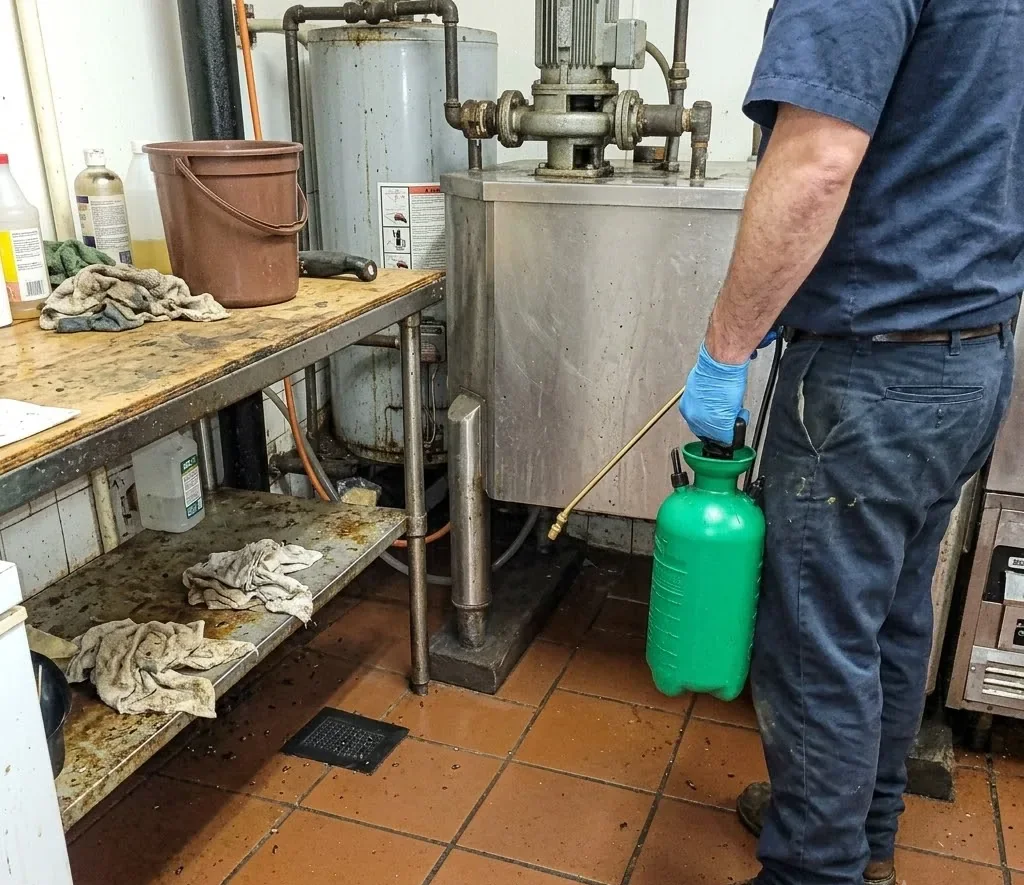
Many homeowners conflate a pest inspection with a pest treatment. They are different services with different purposes. An inspection identifies what is present, where it is, and what conditions are supporting it. A treatment addresses what was found. Understanding the inspection is what makes the treatment recommendation credible.
What the inspector checks
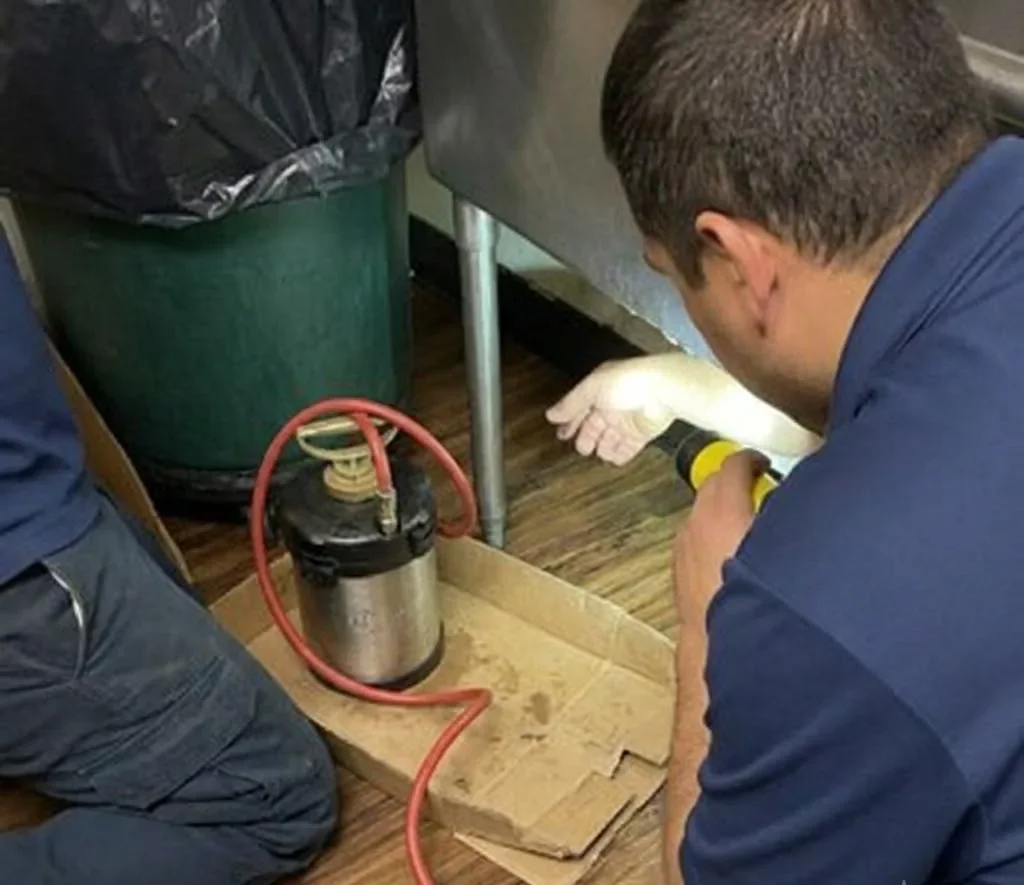
A licensed inspector walks the exterior perimeter first, looking at the foundation for mud tubes, entry points, and conducive conditions (soil-to-wood contact, moisture accumulation, wood debris). They inspect the roofline — or as much as is visible from ground level — for vent screen condition and soffit gaps. They check under the eaves for active wasp nests and along fence lines and landscaping beds for fire ant activity.
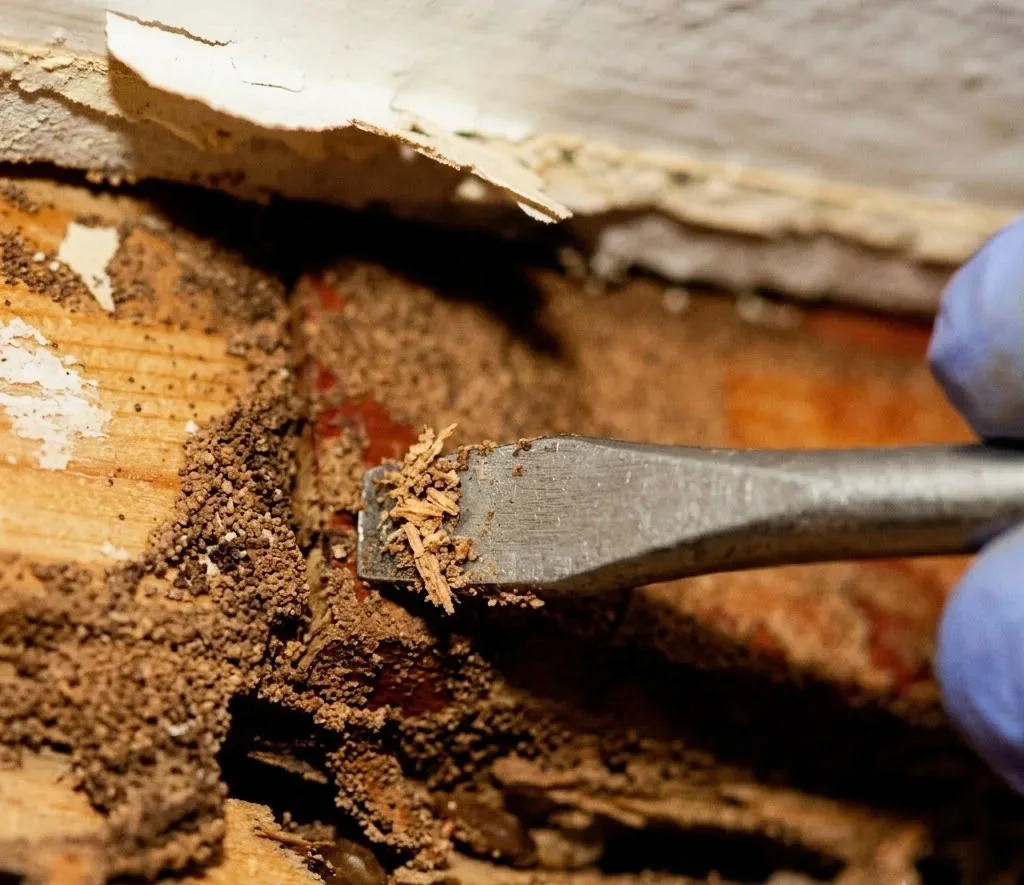
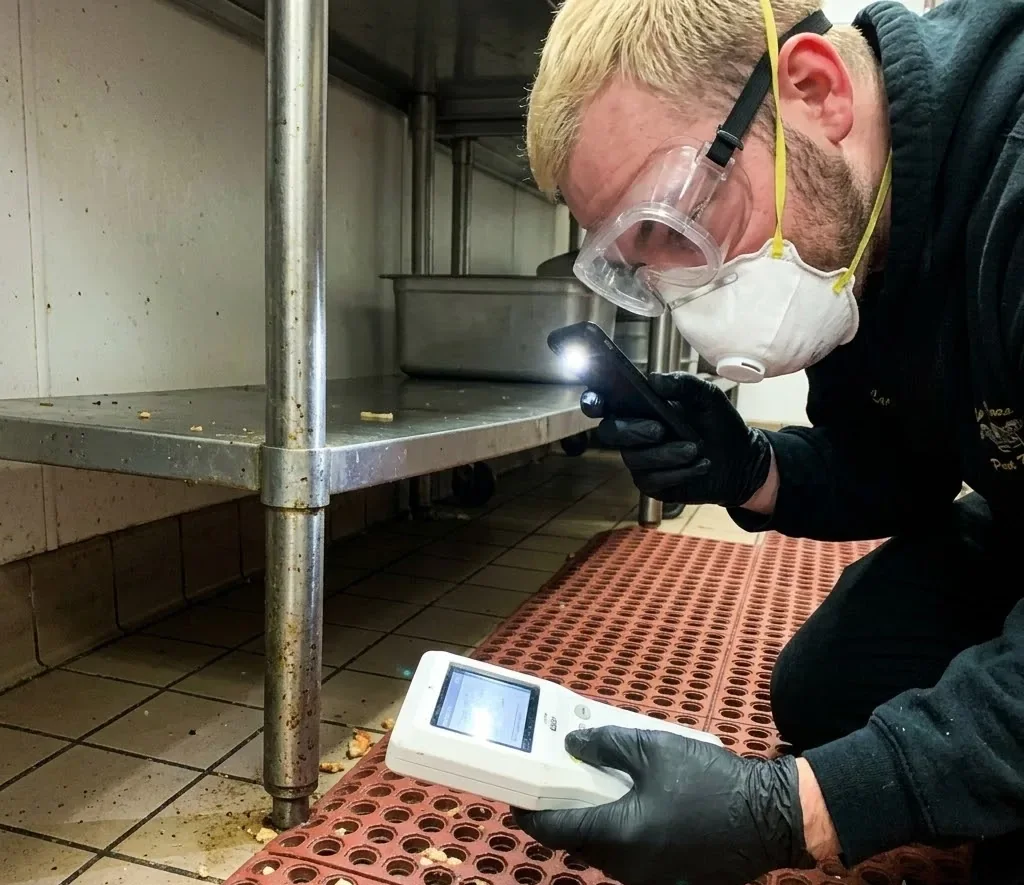
Interior inspection covers the kitchen (cockroach inspection under and behind appliances and in cabinets), bathrooms (moisture pest inspection around plumbing), and any area of reported activity. A crawl space inspection, if access is available, covers moisture readings, vapor barrier condition, and termite mud tube inspection of sill plates, piers, and sub-floor framing. An attic inspection covers rodent sign — droppings, grease marks, gnawed wiring — and any accessible rafter or sheathing for termite or moisture damage.
How long it takes
A thorough inspection of a typical 2,000-3,000 square foot Mount Pleasant home takes 45-75 minutes. Homes with large crawl spaces or attic areas, or with extensive landscaping, take longer. If you are scheduling a CL-100 inspection for a real estate closing, confirm that the inspector has sufficient time allocated — a rushed inspection on a tight appointment schedule produces less thorough findings.
What you receive
A general pest inspection produces a verbal report and usually a written estimate for recommended services. A CL-100 inspection produces the standard South Carolina Wood Infestation Report form, which documents specific findings in each of the five covered categories. Ask for written documentation for any general inspection — you want a record of what was found and what was not found, not just a quote for service.
How to prepare
Clear under-sink cabinet access before the inspector arrives. If you have a crawl space, confirm the access panel is openable. Note where you have seen activity — the time of day, the location, and the species if you can identify it. The more specific information you can provide, the more targeted the inspection can be.
Dealing with this in your home?
Free inspections and straight answers across Mount Pleasant and the surrounding Lowcountry. Call (843) 868-3211 and we will connect you with a licensed local pro.