Bed bug populations in the US have grown steadily for twenty years, and the Lowcountry hospitality industry — hotels, vacation rentals, Airbnb properties — creates frequent introduction opportunities. By the time most people realize they have bed bugs, the infestation has been present for weeks. These physical signs appear before the population reaches the stage where bites are noticed nightly.
Blood staining on the mattress
Rusty or reddish-brown small stains on the mattress seams, sheet edges, or pillowcase edges result from bed bugs being crushed while engorged, or from the small amount of blood that flows from a bite site after the insect withdraws. Fresh spots are red; older ones oxidize to brown. Staining concentrated at mattress seams indicates a harborage site nearby.
Fecal spotting
Bed bug feces is digested blood deposited near harborage sites as dark, ink-like spots that bleed slightly into fabric. Look for these spots on the mattress seams, along the piping of the box spring, on the wood frame of the bed if it is upholstered, and on the baseboard behind the bed. Fresh deposits are moist and slightly raised; older spots are dry and flat.
Shed skins
Bed bugs shed their exoskeleton five times as they mature from nymph to adult. These translucent husks are left near harborage sites and are sometimes easier to spot than the insects themselves. Finding multiple shed skins of different sizes in the seam of a mattress or in the joint of a bed frame confirms an active, reproducing population.
Live insects or eggs
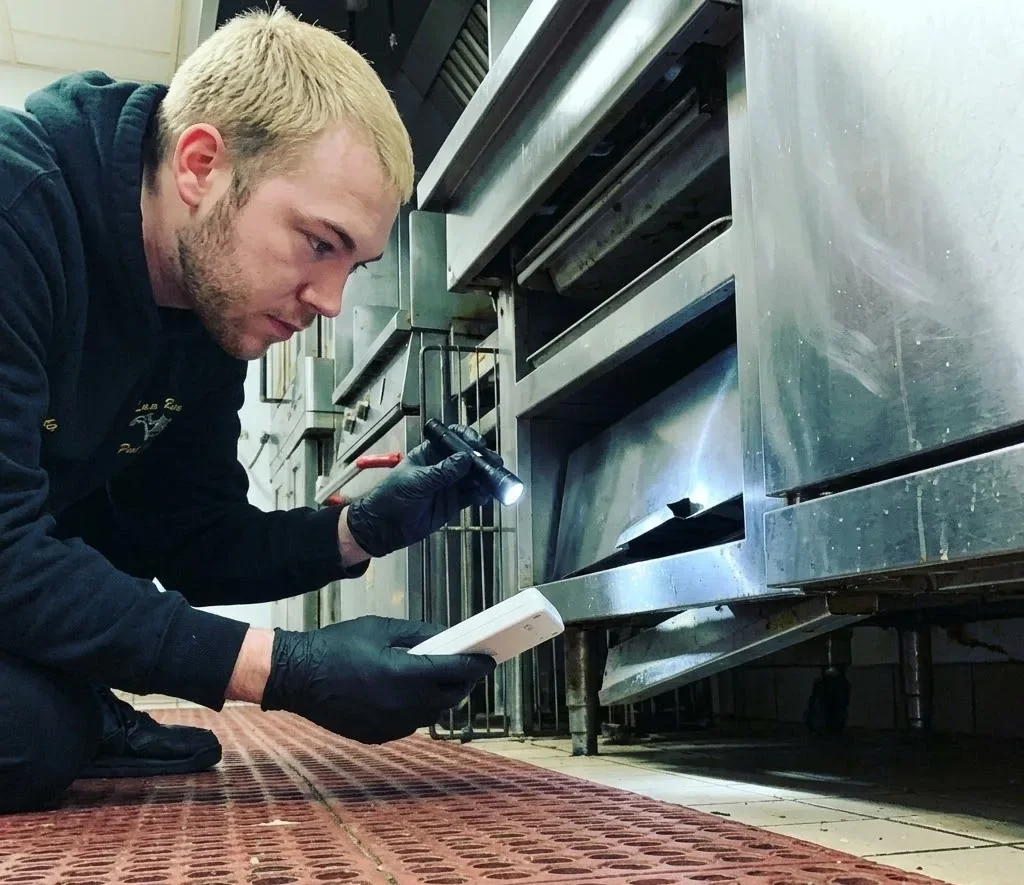
Adults are apple-seed-sized, flat, and mahogany-colored when unfed; reddish and swollen after feeding. Eggs are white, pin-head-sized, and glued to surfaces. Inspect mattress seams, box spring fabric, the screw holes and joints of the bed frame, and any furniture within three feet of the sleeping area. A flashlight and credit card to open seams are sufficient for a basic inspection.
What to do when you find any of these
Do not move the mattress to another room or sleep elsewhere in the house — this spreads the infestation. Do not apply a consumer spray, which will scatter insects to new locations. Call a SCDPR-licensed bed bug specialist for an inspection. Heat treatment (raising the room to 118°F for 90 minutes) is the most effective single-visit treatment and eliminates all life stages including eggs.
Dealing with this in your home?
Free inspections and straight answers across Mount Pleasant and the surrounding Lowcountry. Call (843) 868-3211 and we will connect you with a licensed local pro.