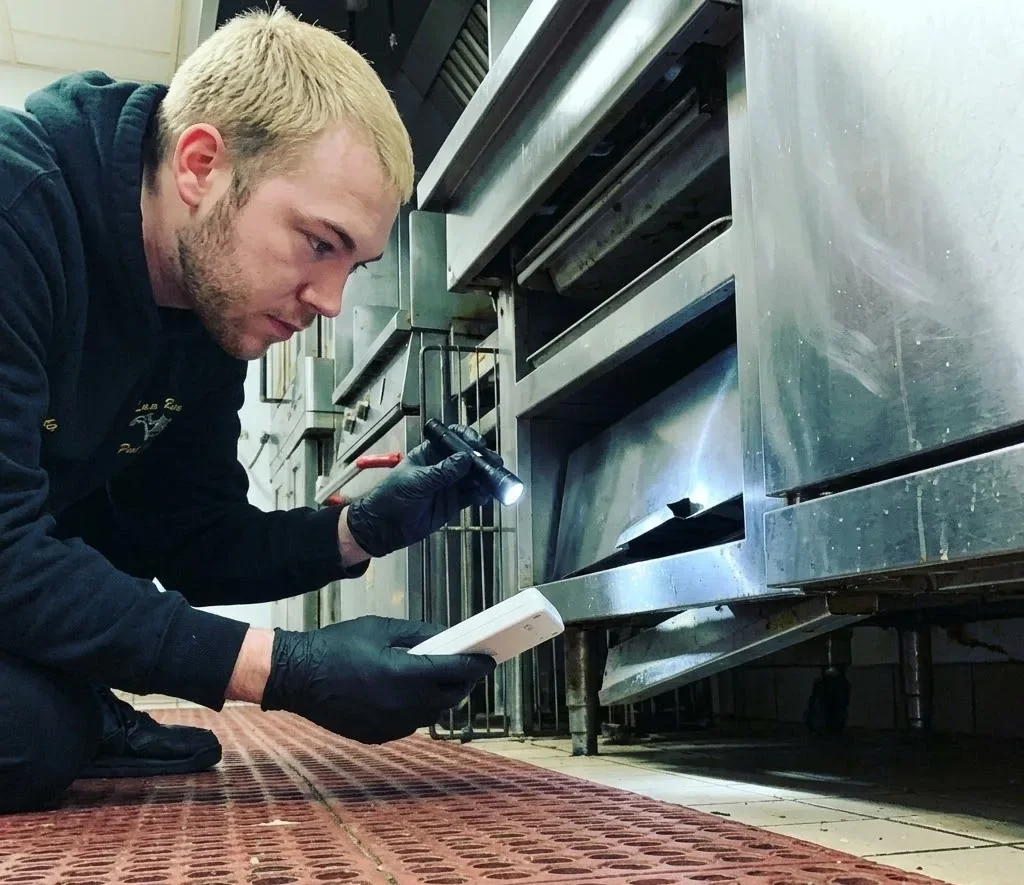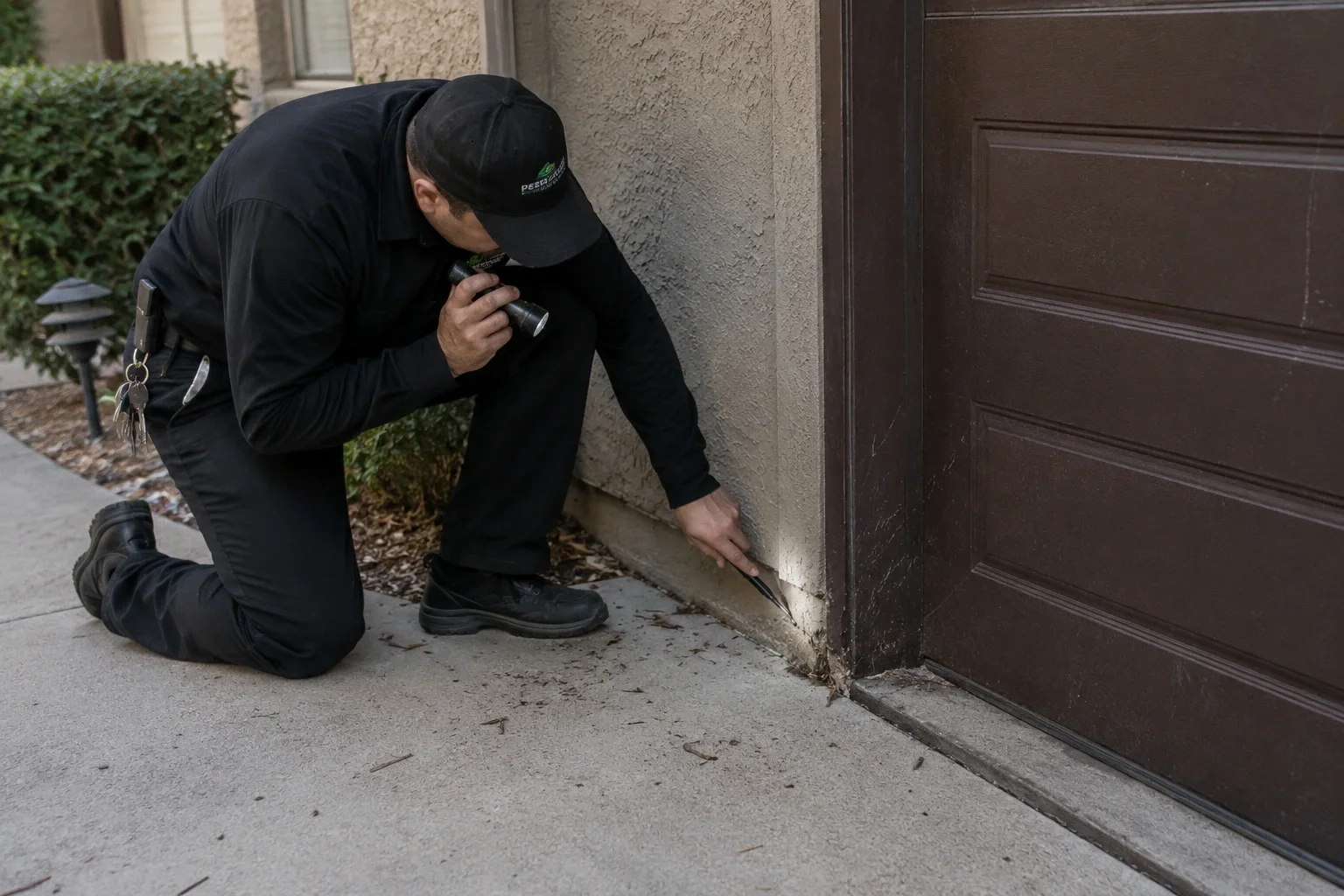
Store-bought sprays and bait stations work for a light, early-stage infestation. But in the Lowcountry, where exterior pest pressure is year-round and structural pest populations can be enormous, most problems that reach the visible stage are already beyond DIY range. Here are seven signs you should be calling a SCDPR-licensed operator instead.
1. You are seeing live pests during the day
Nocturnal pests like cockroaches and rodents that become visible during daylight hours are almost always a sign of an overcrowded population. When colony numbers exceed available harborage and food, individuals are pushed into the open at unusual times. Daytime cockroach sightings in a kitchen or daytime rodent activity in an attic are late-stage indicators.
2. You found mud tubes on your foundation
Subterranean termite mud tubes on a foundation wall, pier block, or sill plate mean active or prior termite activity. There is no DIY treatment for subterranean termites — the label-legal applications (liquid soil treatments, bait station programs) require a SCDPR license. A tube you find today means a colony has been foraging for some time before the tube was visible.
3. You are going through store products quickly with no results
If you have applied a product two or three times without seeing a reduction in activity, the source population is either too large, located where the product cannot reach, or includes a resistant strain. German cockroaches in particular develop resistance to common spray products; switching products or increasing dose does not fix a resistance problem.
4. Droppings or damage in multiple locations
A single set of rodent droppings in one cabinet is an early-stage find. Droppings in the cabinet, the pantry, and behind the stove mean the population has been established long enough to expand its foraging range. Multiple damage sites mean the same thing. You are no longer dealing with a scout.
5. You can hear them
Scratching or scrabbling in the walls or ceiling at night, especially concentrated in one area above the kitchen or near the roofline, indicates an established rodent population in the structure. Hearing them does not mean one animal; roof rats maintain established runs and a population typically includes multiple adults.
6. The problem comes back every season
A recurring pest problem that returns at the same time each year is not an acute event — it is a structural condition. Fire ants that recolonize your yard every spring, palmetto bugs in the crawl space every summer, roof rats in the attic every fall: these are patterns that need an IPM-based professional assessment, not another round of the same product.
7. You found swarmers inside
Finding winged termite swarmers or their shed wings inside your home — around windows, on window sills, near light fixtures — means a colony is established within or immediately adjacent to the structure. This is not an outside event; swarmers do not travel long distances. A SCDPR-licensed termite inspection should happen the same week.
Dealing with this in your home?
Free inspections and straight answers across Mount Pleasant and the surrounding Lowcountry. Call (843) 868-3211 and we will connect you with a licensed local pro.