Schools & Daycare
Fire ants on the playground, cockroaches in the cafeteria
A German cockroach infestation in one unit is a property-wide liability within a month.
Property management pest control in Mount Pleasant requires two levels of response: the individual unit and the building. A German cockroach infestation spreads through wall voids and plumbing chases between units. A bed bug introduction in a vacation rental or short-term unit becomes a building-wide liability if not caught early. Palmetto bugs and fire ants are exterior population management problems that affect every ground-floor unit without a perimeter program.
A single German cockroach-infested unit in a multi-unit building is not a unit problem. German cockroaches travel through shared wall voids, plumbing chases, and electrical conduits. A unit-level treatment that does not address adjacent units provides a short-term result.
Building-level management requires a monitoring program — sticky boards in every unit kitchen at regular intervals — to identify introduction and spread. Treatment hits the infested unit and its adjacent neighbors simultaneously. Tenant education on cardboard breakdown and food storage is part of the program.
Mount Pleasant is a gateway to Isle of Palms, Sullivan Island, and the greater Charleston tourism market. Vacation rental and short-term units see higher introduction risk than long-term units. A bed bug introduction caught at the unit turnover is a room-level event. A bed bug introduction found by the next guest is a review problem.
A regular unit inspection protocol at turnover — checking mattress seams, bed frame joints, and upholstered furniture before linens are changed — catches introductions early. A documented inspection and a relationship with a licensed bed bug treatment operator for fast-response removal protects the property.
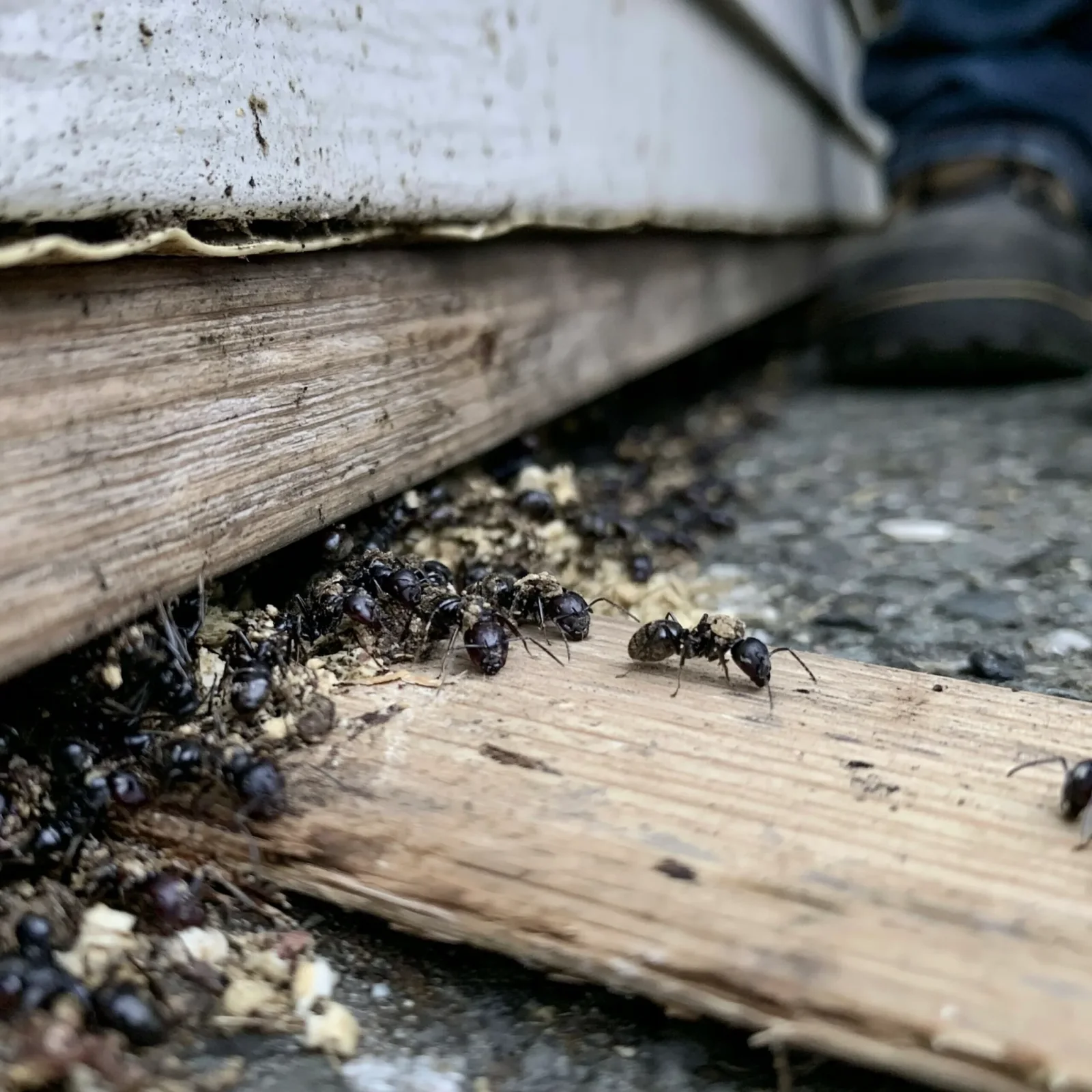
Palmetto bugs (American cockroaches), fire ants, ghost ants, and occasional silverfish are exterior-source pests that affect ground-floor units. A property-wide perimeter treatment — applied to the building foundation and landscaping beds on a quarterly schedule — reduces the pressure at every ground-floor entry point simultaneously rather than treating unit by unit after complaints are received.
This type of premises is covered across the service area, Park West, Snee Farm and Old Village. Travel time is not billed separately inside the service area.
Scheduled commercial service is normally quoted per visit rather than per job, and for premises of this type it usually starts around an estimated $89 to $249. The walkthrough costs nothing and the scope is written down before anything gets signed. Estimated per-visit bands sit on the pricing guide, and the commercial overview covers how a scheduled program works.
Fire ants on the playground, cockroaches in the cafeteria
Tourism brings bed bugs. The Lowcountry brings everything else.
SC DHEC inspection pressure, zero tolerance
South Carolina landlord-tenant law requires landlords to maintain rental units in a habitable condition, which includes addressing pest infestations. A pre-existing pest condition or a pest introduction caused by tenant behavior creates different liability, but the general obligation to respond to a reported infestation rests with the property owner.
Confirm the infestation with a licensed inspection before communicating with the tenant. Document the inspection findings. Engage a licensed bed bug treatment operator immediately. A treatment report is your liability documentation. Retaliating against or ignoring a tenant who reported bed bugs creates additional legal exposure.
No. German cockroaches in multi-family housing require access to the infested unit and adjacent units for effective treatment. A common area and perimeter program without unit-level access is not sufficient for a building with an active infestation.
Property-level pest control in the Lowcountry requires a licensed commercial operator familiar with multi-family protocols. Call and we will connect you with a SCDPR-licensed operator who provides building-level monitoring and unit treatment programs in the Mount Pleasant area.
Call (843) 868-3211